
The Pentagon is reportedly evaluating the possibility of reallocating military assistance initially designated for Ukraine to address escalating tensions in the Middle East. According to a report from the Washington Post, this shift could involve air defense interceptor missiles purchased through a NATO initiative, which allows partner nations to procure U.S. weaponry on behalf of Kyiv. While no definitive decision has been made, the intensifying conflict involving U.S. operations in Iran is straining the military's resources for critical munitions.
Intensifying Operations in Iran
Recent developments indicate that U.S. Central Command has targeted over 10,000 sites within Iran, underscoring the urgency behind the possible diversion of military resources. A Pentagon spokesperson emphasized the importance of ensuring that U.S. forces, along with allies and partners, are adequately equipped to succeed in their missions. The ongoing situation in Iran is placing significant pressure on military supplies, prompting discussions about how best to allocate available resources. Originally reported by The Guardian.
NATO spokesperson Allison Hart reassured that military support for Ukraine remains a priority, stating, "Everything that NATO allies and partners have paid for through the Prioritized Ukraine Requirements List has been delivered or continues to flow to Ukraine." This list is a mechanism developed to facilitate the procurement of U.S. arms by European countries for Ukraine's defense needs.
Regional Diplomacy Amid Conflict
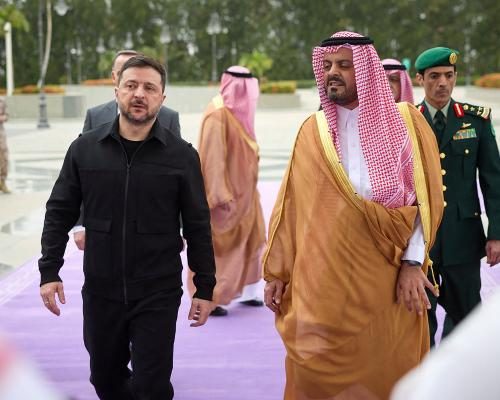
In a significant diplomatic engagement, Saudi Crown Prince Mohammed bin Salman met with Ukrainian President Volodymyr Zelenskyy in Jeddah to discuss the ongoing crisis in Ukraine and the regional implications of the Iranian conflict. Although specific details of their discussions were not disclosed, Zelenskyy had previously reiterated Ukraine's willingness to assist in countering Iranian drone threats. This meeting illustrates the interconnectedness of global conflicts and the implications they have on international relations.
Moreover, Zelenskyy's outreach to the crown prince reflects Kyiv's strategy to foster alliances that could bolster its defense capabilities against Russian aggression, especially in the wake of increased Iranian influence in the region.
Russia's Financial Struggles Amid Sanctions
On the Russian front, President Vladimir Putin has reportedly reached out to the country's oligarchs, urging them to contribute to the defense budget, which has been severely impacted by Western sanctions. According to the Financial Times, at least two businessmen have expressed willingness to support the budget after discussions with Putin. This comes as Russia's budget deficit for January and February soared to over 90% of the total projected for the year, largely due to sanctions that forced Moscow to sell oil at significantly discounted prices.
In a bid to mitigate financial shortfalls, the Kremlin increased VAT to 22% earlier this year, aiming to raise an additional 600 billion rubles (approximately $7.3 billion) over three years from small and medium-sized enterprises. These measures highlight the economic strain that the ongoing war in Ukraine has imposed on Russia.
Ukraine's Tactical Responses and International Reactions
In response to the evolving situation, Ukraine has intensified its long-range strikes on Russian energy infrastructure, a tactic aimed at maintaining pressure on Moscow. President Zelenskyy noted that easing international oil sanctions against Russia has necessitated this approach. The U.S. recently issued a 30-day waiver allowing countries to purchase sanctioned Russian oil and petroleum products that had been stranded at sea. This decision has implications for Ukraine's strategic calculations as it seeks to disrupt Russian military supply chains.
Meanwhile, the UK has taken a more aggressive stance against Russian maritime operations. Prime Minister Keir Starmer authorized the military to detain Russian vessels in British waters, aiming to disrupt the activities of tankers allegedly facilitating Moscow's oil exports despite sanctions. The Russian embassy in London has denounced these actions as "deeply hostile," indicating that Moscow may respond with various political and legal measures.
In a cultural context, a Russian court has banned the Oscar-winning documentary "Mr. Nobody Against Putin" from several streaming platforms, claiming it promotes negative attitudes towards the government and the war in Ukraine. The documentary presents a critical look at pro-war propaganda in Russian schools, revealing the indoctrination of children with narratives about the need to "denazify" Ukraine.
In the battlefield, Russia claims to have gained control over a village in Ukraine's northeastern Kharkiv region, though Ukrainian military sources have not confirmed this. Meanwhile, a Ukrainian paratroop unit has reportedly recaptured a village in the Dnipropetrovsk region that had previously fallen under Russian control.
As the conflict continues to evolve, Britain has pledged an additional £100 million (approximately $133 million) to enhance Ukraine's air defenses, further demonstrating the West's commitment to supporting Ukraine in its fight against Russian aggression.
Originally reported by The Guardian. View original.