
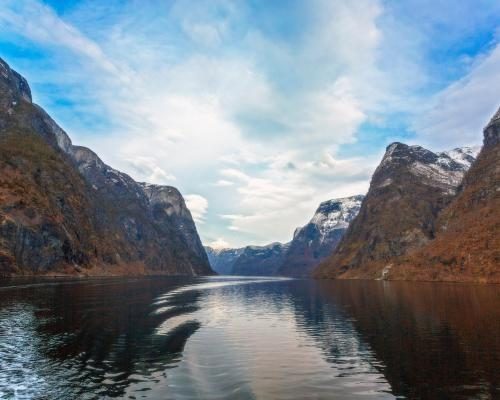
Norwegian fish farms are discharging alarming levels of nutrient pollution into the country's fjords and coastal waters, a recent report indicates. The findings, published by the Sunstone Institute, reveal that these aquaculture operations are releasing nutrient loads equivalent to the raw sewage generated by tens of millions of people annually. Norway, the world's leading producer of farmed salmon, is facing scrutiny over the environmental impact of its fish farming practices.
Staggering Nutrient Pollution Levels Identified
According to the report, Norwegian aquaculture was responsible for the release of approximately 75,000 tonnes of nitrogen, 13,000 tonnes of phosphorus, and 360,000 tonnes of organic carbon in 2025. This pollution is comparable to the untreated sewage produced by approximately 17.2 million people for nitrogen, 20 million people for phosphorus, and 30 million people for organic carbon. "Norway is a small country of just 5.5 million people, and the output of aquaculture pollution in terms of these three nutrients is three to five times larger than the population," stated Alexandra Pires Duro, a data scientist at Sunstone and the report's author. Originally reported by The Guardian.
The nutrient-rich feed given to fish in open-net cages leads to significant waste being excreted directly into the water. The analysis highlighted that feed consumption among fish farms had surged by 14.6% over a six-year period, correlating with industry growth. This increase has resulted in nutrient pollution levels that mimic those expected from a country roughly the size of Australia.
Environmental Consequences of Nutrient Overload
The seasonal variations further complicate the situation, with nutrient loads reaching their peak during the summer months when ecosystems are least capable of managing them. Fish waste and uneaten feed contribute to phytoplankton fertilization, which can lead to harmful algal blooms. These blooms ultimately deplete oxygen levels in the water, posing a severe threat to marine life.
Fjords, characterized by their semi-enclosed nature, are particularly susceptible to the adverse effects of nutrient accumulation. As global temperatures rise, oxygen levels in these vital ecosystems have already begun to decline. A recent study revealed that in Sognefjord, Norway's longest fjord, increased nutrient inflows-stemming not only from fish farms-were held accountable for about two-thirds of the oxygen depletion observed. Warmer waters contributed to the remaining third of the decline.
Regulatory Challenges and Industry Response
The situation has prompted regulatory actions, including the rejection of nine applications for new fish farms in the Hardangerfjord region due to concerns about increased emissions. Tom Pedersen, an environmental adviser for the region and an expert reviewer for the Sunstone report, remarked that the pollution figures presented in the analysis were not surprising and could be considered "on the conservative side." He explained, "The major concern we experienced in the last few years is that all these algae and plankton and whatever die and they sink down to the bottom of the floor and they decompose - and that process uses oxygen. The end result is that the oxygen level in the fjord is going down, and has gone down."
The Norwegian Fisheries Ministry has yet to publicly comment on the report's findings, deferring inquiries to the Fisheries Directorate, which has not provided a response to date. In contrast, Krister Hoaas, head of public affairs at the Norwegian Seafood Federation, emphasized the industry's commitment to minimizing its environmental impact. He noted that while emissions are significant, they represent the scale of food production in Norway and contribute to the country's self-sufficiency during emergencies.
Balancing Production and Environmental Sustainability
Hoaas further stated, "It is important to distinguish between current operations and questions about future growth. The Institute of Marine Research is clear that a significant increase in production in certain fjord systems could increase the risk of eutrophication locally, but that current production is well within nature's carrying capacity." This assertion underscores the need for strict, site-specific management to ensure that ongoing operations do not irreparably harm Norway's fjords.
The findings from the Sunstone Institute raise critical questions about the sustainability of Norway's fish farming practices and their long-term impact on marine ecosystems. As awareness grows regarding the environmental footprint of aquaculture, stakeholders will need to navigate the balance between production demands and ecological preservation. The future of Norway's aquaculture industry may hinge on adopting practices that safeguard its unique coastal waters while continuing to meet global seafood demands.
Originally reported by The Guardian. View original.