
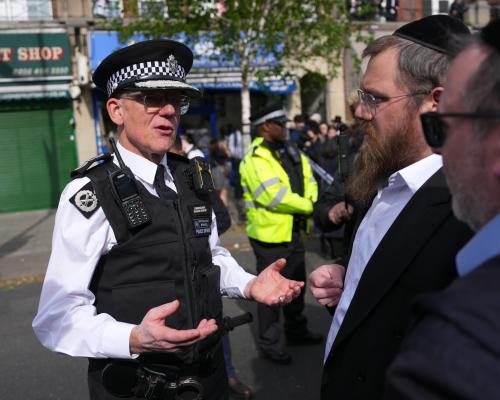
Mark Rowley, the Commissioner of the Metropolitan Police, expressed significant concern regarding the anticipated scale of protests planned in London over the next two weeks. In an interview with LBC, Rowley noted, "There's some big marches planned for two weeks, tomorrow and the 16th. I'm sort of concerned about the scale of those in this context." As tensions rise in the UK amidst ongoing discussions about pro-Palestinian demonstrations, Rowley's remarks reflect the police's readiness to impose conditions on these events.
Government's Response to Protests and Antisemitism
The UK government has faced increasing pressure to take action against protests that some officials claim have been infiltrated by antisemitic sentiments. Justice Minister Alex Davies-Jones commented on the situation, stating, "We have seen chants of death, calls for global intifada, and that is wrong." The government is currently exploring potential measures to regulate protests, particularly those that involve inflammatory chants or displays. Labour leader Keir Starmer has also indicated his support for stricter controls, emphasizing the need to address antisemitic rhetoric at these gatherings. Originally reported by The Guardian.
Rowley's comments come in the wake of heightened tensions following the Israel-Hamas conflict that reignited in 2023. Pro-Palestinian marches have intensified, with further demonstrations scheduled for May 16. The government is assessing how these protests can proceed while ensuring public safety and maintaining order, especially with rising antisemitic incidents reported across the UK.
Commissioner's Open Letter Sparks Controversy
In a separate but related issue, Commissioner Rowley has found himself at the center of a political storm after sending an open letter to Green Party leader Zack Polanski. The letter was a response to Polanski's commentary on the arrest of a suspect linked to the Golders Green attack, where Polanski alleged excessive use of force by police. Rowley accused him of amplifying "inaccurate and misinformed commentary" that risks undermining police officers' confidence.
Rowley defended his stance, asserting, "When somebody influential puts something out there which is incorrect and can undermine the confidence of my officers to protect Londoners, they need to see that I'm supporting them to give them that confidence to carry on and do their job." Critics have raised concerns that the timing of Rowley's letter, just days before local elections, may constitute a breach of regulations that limit police involvement in political matters.
Calls for Ban on Pro-Palestine Marches
The debate surrounding the protests has been further fueled by calls from Jonathan Hall, the independent reviewer of terrorism legislation, who suggested a temporary ban on pro-Palestine marches. Hall argued that these demonstrations risk "incubating" antisemitism, a sentiment echoed by Davies-Jones. She acknowledged the right to protest against Israel's actions but noted that some demonstrations have been "hijacked" by individuals promoting division and hatred within the UK.
As the situation develops, police are carefully monitoring the upcoming protests, weighing the necessity of imposing restrictions in light of public safety concerns. Rowley emphasized that while protests cannot be outright banned, they can be subjected to conditions that ensure they remain peaceful and do not escalate tensions further.
Future Implications for Protests in the UK
As the UK braces for potential unrest, the implications of the government's response to the protests could set a precedent for how demonstrations are handled in the future. The balance between safeguarding the right to protest and maintaining public order remains a contentious issue. Rowley's statements indicate that the police are prepared to act should the upcoming events threaten to spiral out of control.
With local elections approaching, the political ramifications of Rowley's actions and the government's stance on protests will likely be scrutinized. The unfolding situation underscores the delicate nature of public demonstrations in the current socio-political climate, particularly as communities grapple with rising tensions and the implications of widespread protests.
Originally reported by The Guardian. View original.