
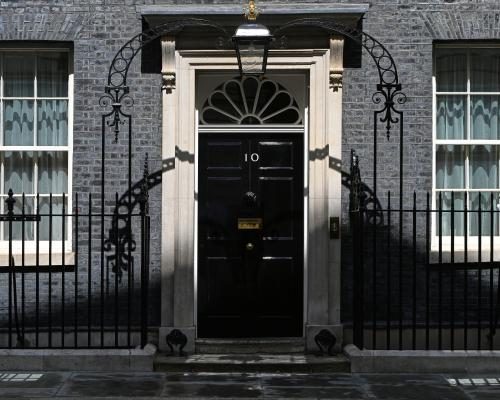
In a candid media round this morning, Housing Secretary Steve Reed, a prominent ally of Labour leader Keir Starmer, acknowledged the unpopularity of the Prime Minister while urging party members to prioritize national interests over internal politics. Reed's comments come at a time when the party is grappling with potential leadership challenges amidst a backdrop of public dissatisfaction.
Calls for Unity Amid Leadership Speculation
During an interview with Sky News, Reed expressed a sense of urgency for Labour colleagues to unite and "put the country first, party second." When questioned about the prospect of replacing an unpopular Prime Minister, he remarked, "Each of the last four prime ministers, in turn, has been the most unpopular prime minister we've ever had." This acknowledgment reflects a growing concern within the party about its standing among voters. Originally reported by The Guardian.
Despite the murmurs of discontent, Reed maintained that the party must rally behind Starmer to effectively enact the changes the public desires. He stated, "What we need to do is all of us come together behind the prime minister and focus on how we can deliver the change the British public want to see faster." His remarks indicate a push for solidarity in the face of potential internal divisions.
Leadership Contest Looms as Party Dynamics Shift
Speculation is mounting regarding a possible leadership contest, particularly with Greater Manchester Mayor Andy Burnham seen as a likely contender. Reed, however, firmly dismissed the idea of an active leadership challenge, characterizing it as "internal-facing nonsense." He emphasized that if any party members wished to pursue nominations, they would need to gather sufficient support from Labour MPs, a task that seems currently unachievable.
In a bid to curb the speculation, Reed stated, "If people wanted to gather the nominations then it's open for them to do that - they would need to find enough Labour MPs that wanted to endorse them but nobody has done that." His comments come in light of a tumultuous week for the party, urging members to take a moment to reflect and refocus on their mission to serve the public.
Starmer's Position Under Scrutiny
Reed also addressed rumors circulating about Starmer's potential resignation, asserting, "that isn't true." He reassured party members that Labour is committed to avoiding the chaos experienced under Conservative leadership. The emphasis on stability underlines a crucial moment for the party as it seeks to regain public trust.
In a significant development, Labour MP Josh Simons announced his decision to step down from his Makerfield constituency, citing the need to pave the way for Burnham's candidacy in a potential by-election. Simons expressed his belief that Burnham could be the catalyst for much-needed change, stating, "We have lost the trust of those our party was built to serve." His comments underscore a broader sentiment within the party that urgent reform is necessary to reconnect with constituents.
Public Sentiment and Future Implications
The current state of affairs within the Labour Party reflects a deepening crisis of confidence among its members and the electorate. With rising discontent over leadership, the party faces the dual challenge of addressing internal rifts while also responding to public demands for effective governance. The calls for radical reform resonate with many voters who feel disillusioned by the political landscape.
As Labour navigates these choppy waters, the focus remains on how effectively it can present a united front. The upcoming weeks will be crucial as party members assess their strategies moving forward. Reed's insistence on prioritizing the country over party politics may serve as a rallying cry, but the question remains whether it will be enough to stave off potential challenges to Starmer's leadership.
Ultimately, as the political climate evolves, Labour must work diligently to restore its standing and credibility among voters. The party's ability to unite and respond to the pressing issues facing the country will determine its future trajectory.
Originally reported by The Guardian. View original.