
Labour's recent byelection defeat in Gorton and Denton has unveiled a troubling trend: the party has lost a significant number of white working-class voters to the Greens. In the Greater Manchester byelection last month, the Greens emerged victorious, securing the seat with a margin of 4,402 votes, while Labour finished third, trailing behind Reform UK. This unexpected outcome has prompted an urgent analysis from Labour's leadership, highlighting the need for a strategic overhaul in how the party engages with its core voter base.
Shifts in Voter Loyalty
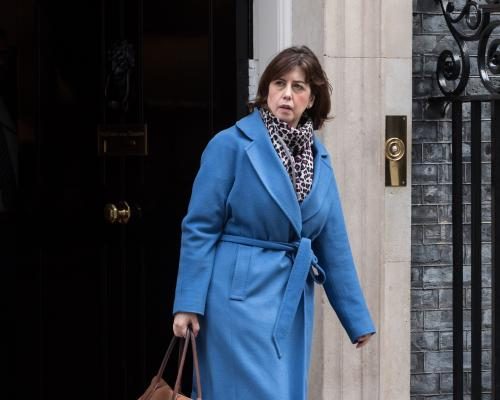
Labour's deputy leader, Lucy Powell, addressed party activists and members, revealing that many voters who switched their allegiance to the Greens were not simply young urban professionals or members of Muslim communities, but included a broad spectrum of white working-class individuals. The byelection results indicated a dramatic shift in voter loyalty, particularly as a notable number of these voters opted for the Greens in the final hours before polling closed, influenced by tactical considerations regarding their ability to thwart a Reform victory. Originally reported by The Guardian.
Powell emphasized that the party must take this warning seriously, noting that voters expressed a desire for a "reason" to continue supporting Labour. The analysis also highlighted that voters were increasingly concerned about the party's direction, and many used their votes as a form of protest against what they perceive as government failures. The Greens' campaign, marked by high visibility through street stalls and an identifiable local candidate, effectively resonated with these voters.
Strategic Reassessment Needed
In light of these findings, Labour strategists are contemplating a shift in their election approach. Historically, the party has employed a low-key strategy in byelections, focusing on targeted outreach to loyal supporters rather than a visible campaign presence. However, the recent results suggest that this tactic may no longer suffice in an era where voter volatility is high, and more former non-voters are now participating in elections, particularly favoring Reform UK.
Powell's remarks during the call revealed that the party had lost the political megaphone to the Greens, and it is now imperative for Labour to reclaim that space. She pointed out that voters are looking for substantial reasons to vote Labour, referencing the party's achievements in government, such as free childcare and enhanced workers' rights. The analysis found that tactical voting aimed at blocking Reform UK and protest voting were the primary reasons cited by those who chose not to support Labour.
Labour's Internal Challenges
The internal dynamics of the Labour party are also under scrutiny. Some members have expressed frustration towards general secretary Hollie Ridley, who is closely associated with Keir Starmer's former chief of staff. However, senior figures within Labour and No 10 have defended Ridley, asserting that she should not be a scapegoat for the disappointing byelection results, especially with local elections looming in May that are expected to pose challenges for Labour across Scotland and Wales.
The Greens, buoyed by their byelection victory in Gorton and Denton, have seen a surge in their polling numbers and membership, which has tripled to approximately 200,000 since Zack Polanski took over as leader. This growth is expected to translate into further gains in upcoming local elections, particularly in urban areas such as London boroughs, which traditionally lean towards progressive Politics.
Looking Ahead: A Call for Action
As the Labour party navigates these turbulent waters, Powell has called for a renewed focus on delivering the progressive changes voters desire. She cautioned party members against superficial analyses of the byelection results, stressing the importance of understanding the underlying voter sentiments. The message from the electorate is clear: they want Labour to demonstrate its commitment to the values and objectives that resonate with them.
Moving forward, Labour faces the dual challenge of reconnecting with disenchanted voters while also addressing internal divisions. The party must articulate a compelling vision that not only promises change but also emphasizes its achievements. With rising competition from the Greens and Reform UK, Labour's ability to adapt and resonate with a broader electorate will be crucial in the upcoming general election.
Originally reported by The Guardian. View original.