
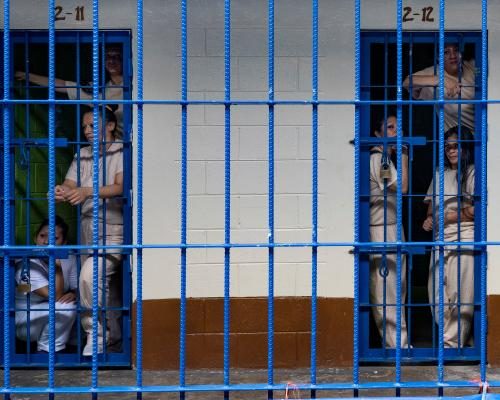
In El Salvador, a 19-year-old nursing student experienced a harrowing ordeal when she sought medical help for severe stomach cramps. What began as a medical emergency unfolded into a nightmare, illustrating the severe repercussions of the country's stringent anti-abortion laws. After losing her pregnancy, she was arrested and faced a potential 50-year sentence, highlighting the urgent need for reform in a nation with some of the world's harshest reproductive rights policies.
Legal Framework Puts Women at Risk
El Salvador's legal framework regarding abortion is one of the most restrictive globally. Since 1998, abortion has been outlawed in all circumstances, including cases of rape, incest, or when the mother's life is at risk. A constitutional amendment in 1999 further enshrined the protection of life from conception, leading to severe criminal implications for women who experience miscarriages or stillbirths. Under this framework, women are often charged with aggravated homicide, which carries a prison sentence of up to 50 years. Originally reported by The Guardian.
In practice, healthcare providers have a legal obligation to report any suspected abortion cases, which can lead to women being wrongfully prosecuted. The case of the 19-year-old nursing student is a stark example of this: after suffering an obstetric emergency, she was taken into custody based on the assumption that she had terminated her pregnancy. A lawyer familiar with her case stated, "She couldn't understand what happened. She went to hospital with a stomach ache, not knowing she was pregnant, and had an emergency."
Shifting Tides in Advocacy
Despite these harsh laws, there were signs of progress in recent years. From 2009 to 2023, advocacy groups worked tirelessly to secure the release of women imprisoned for charges related to abortion, miscarriages, and obstetric emergencies. Morena Herrera, a prominent reproductive rights advocate, played a crucial role in this movement. "By 2023, we had managed to get them all out of prison," Herrera said, referring to the 81 women who were freed from decades-long sentences for aggravated homicide.
The momentum for change was fragile, but international pressure and sustained advocacy efforts began to shift the application of these laws. However, the situation has taken a drastic turn for the worse under the current government, as President Nayib Bukele declared a "state of exception" in March 2022.
State of Emergency Undermines Rights
President Bukele's state of exception, initially aimed at tackling gang violence, has led to widespread human rights abuses and the suspension of civil liberties. Advocates are concerned that the scope of these emergency powers has expanded to include hospitals, where women experiencing obstetric emergencies are now viewed with suspicion. "We are experiencing a new spiral of criminalisation against women," Herrera warned.
The political climate has forced organizations advocating for the decriminalization of abortion to dissolve. Recently, the Citizens' Group for the Decriminalisation of Abortion announced its legal dissolution, citing an environment that has become "incompatible" with their mission. Reports indicate that at least 29 women have faced investigations since the state of emergency began, with several currently imprisoned on charges like aggravated homicide.
Legal Landscape Transformed
The legal landscape for women in El Salvador has shifted dramatically under Bukele's administration. Constitutional protections, including the presumption of innocence and access to legal counsel, have been undermined. Administrative detention periods have been extended from 72 hours to up to 15 days, allowing authorities to hold women without contact with lawyers or family.
Juanita Goebertus, Americas director at Human Rights Watch, emphasized the implications of these changes, noting that many women now spend extended periods in pre-trial detention without adequate legal representation. For the nursing student, her defense team faced significant hurdles in presenting her testimony, which ultimately resulted in a three-year sentence for negligent homicide, later converted to 144 days of community service. The prosecutor's office announced plans to appeal the ruling, seeking a harsher penalty.
As El Salvador finds itself at a crossroads, the plight of women continues to serve as a focal point in the debate over reproductive rights. Activists remain hopeful that international attention and advocacy will lead to meaningful change, but the current trajectory raises serious concerns about the future of women's rights in the country.
Originally reported by The Guardian. View original.