
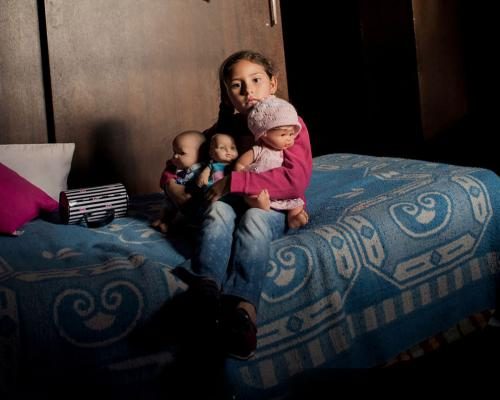
In Quito, Ecuador, 16-year-old Valentina faces a painful separation from her mother, Ivonne, who has been incarcerated once again for drug-related charges. This heartbreaking situation highlights the profound impact of maternal incarceration on families, especially children, as they navigate the emotional turmoil and societal consequences of such experiences.
A Heartbreaking Call
Six months ago, Valentina was enjoying a quiet evening at home with her cousin and younger brother when her world was upended by a phone call from Ivonne, 33, who had been arrested for possessing 500 grams of marijuana. "I had gotten used to being with her," Valentina recalls, reflecting on their time together after Ivonne's previous prison sentence ended in 2023. The prospect of being separated again left Valentina devastated. Over the following months, she struggled with feelings of despair, often bursting into tears in school and at home. "I cried a lot," she admitted. "I dreaded going to school." Originally reported by The Guardian.
The Impact of Incarceration
Ivonne's situation is not unique; she is among a growing number of women facing incarceration in Ecuador. The prison where she is currently held, located 150 kilometers south of Quito, houses over 500 women, most of whom are incarcerated for drug-related offenses. According to the Institute for Crime and Justice Policy Research, female incarceration rates across Latin America surged by 186% between 2000 and 2024. In Ecuador, approximately 2,660 women are currently imprisoned, reflecting a staggering increase of about 290% since 2002. This trend has severe implications for families, particularly for children who face mental health struggles, poverty, and disruptions in their education.
The Cycle of Poverty and Marginalization
Legal expert Silvana Tapia Tapia emphasizes that many of these women, including Ivonne, come from marginalized backgrounds and often find themselves in desperate socioeconomic situations. Women make up only 7.2% of Ecuador's total prison population, with a staggering 75% of them having children under 18. Tapia explains that many of these women are single mothers working informal jobs to support their families. "Incarceration will inevitably worsen those circumstances," she states, highlighting the lack of legal support and job opportunities available to them post-incarceration. This systemic issue exacerbates existing inequalities and perpetuates cycles of poverty.
The Long Road to Recovery
Ivonne's journey has been fraught with challenges. After serving two separate three-year sentences for drug possession, she first entered prison in 2013 when Valentina was just three years old. At that time, Ivonne had already dropped out of high school to support her daughter and was selling marijuana to make ends meet. Following her arrest, Valentina moved in with Ivonne's aunt, where she has lived ever since. After Ivonne was released in 2016, they attempted to rebuild their lives together. However, when the Covid-19 pandemic hit, Ivonne lost her job as a courier, leading her back to selling marijuana to provide for her family. In 2020, she was arrested again, and Valentina, now ten years old, had to face yet another separation.
Experts warn that children of incarcerated mothers like Valentina often encounter significant hurdles in life, including increased poverty and exposure to violence, as well as mental health issues. A 2020 report by the Washington Office on Latin America revealed that these children experience disruptions in schooling, which only compounds their struggles. Valentina's emotional turmoil and her mother's repeated incarceration illustrate the devastating effects that the criminal justice system can have on families.
As Ivonne serves her sentence, she remains determined to make the most of her time in prison. She has graduated from high school and even penned several rap songs that reflect her experiences. Despite the challenges, she hopes to provide a better life for Valentina once she is released. But the road ahead is fraught with obstacles that threaten to keep their family apart.
Originally reported by The Guardian. View original.