
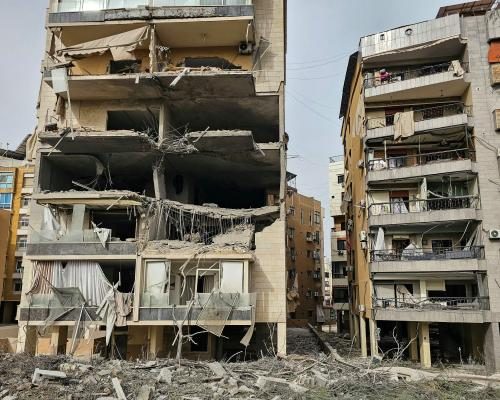
Israel intensified its military operations against Iran on Wednesday, launching two waves of attacks that reportedly resulted in the death of a senior Hezbollah commander. This escalation comes amid international tensions and conflicting statements regarding a potential ceasefire from both U.S. President Donald Trump and Iranian officials.
Intensified Military Actions Against Iran
On Wednesday, Israel executed a significant escalation in its military campaign against Iran, executing two waves of aerial strikes aimed at various targets in Tehran. The Israeli Defense Forces (IDF) reported targeting approximately 400 Iranian regime sites within a span of just two days. Reports from Iranian media indicated that areas in northern, eastern, and central Tehran were struck early in the morning. Originally reported by The Guardian.
This military operation coincided with Iranian missile launches into central Israel. These missile strikes occurred just hours before the commencement of the Jewish Passover festival, heightening concerns over civilian safety in the densely populated regions of Israel. Alarms were triggered throughout the area, with an 11-year-old girl critically injured due to shrapnel from a missile strike in Bnei Brak, a suburb east of Tel Aviv.
Hezbollah Commander Killed in Israeli Strikes
Among the key developments, Israel announced the death of Youssef Hashem, a prominent commander of Hezbollah's southern front. His killing marks a notable blow to the organization, which Israel claims is central to its military strategy in the region. Hashem, who had over 40 years of experience, was described by Israeli officials as a significant leader within Hezbollah, and his death is expected to impact the group's operations significantly.
Hezbollah acknowledged Hashem's death, referring to him as a "beacon of the Islamic Resistance" and a "tier one commander." The group has faced considerable losses, with estimates indicating that around 400 of its fighters have died since the escalation of hostilities began. In total, the conflict has resulted in approximately 1,260 deaths in Lebanon, predominantly among civilians.
Conflicting Claims of Ceasefire
Amid the escalating violence, President Donald Trump claimed that Iran's leadership had requested a ceasefire, stating on social media that Iran's president had "just asked" for an end to hostilities. However, this statement has been met with skepticism from Iranian officials. A spokesperson for Iran's foreign ministry firmly denied any request for a ceasefire, labeling Trump's assertions as "false and baseless."
Adding to the confusion, Trump mistakenly referred to Iran's president as a leader of a "new regime," despite Masoud Pezeshkian having held office since 2024. The former supreme leader, Ali Khamenei, was killed in the initial minutes of the attack, leading to the ascension of his son, Mojtaba, who is perceived as more hardline, particularly following the loss of other family members.
Regional Responses and Implications
In a broader context, Iran has vowed to retaliate against Israel's military actions, with reports indicating missile launches from Yemen's Houthi group targeting southern Israel, reflecting a coordinated effort among Iran's allies in the region. The Houthis' missile strike marks their third attack since joining the conflict, showcasing the growing regional dimensions of the war.
As the situation unfolds, Trump's administration appears to be navigating a complex web of military commitments and diplomatic overtures. He indicated that any agreement to a ceasefire would be contingent on lifting Iran's blockade of the Strait of Hormuz, a critical maritime route for global oil shipments.
The chair of Iran's parliament's national security commission, Ebrahim Azizi, mocked Trump's claims of achieving "regime change," suggesting that the strait would remain open only for those who adhere to Iran's new laws, rather than for U.S. interests.
As both sides brace for further confrontations, the humanitarian toll continues to mount, with approximately 1,900 reported dead and over 20,000 injured in Iran since the onset of the conflict. The international community watches closely, hoping for a resolution to the escalating violence.
Originally reported by The Guardian. View original.