
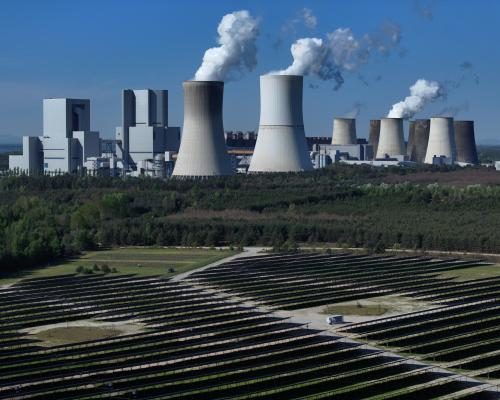
As fuel prices skyrocket in the wake of the Iran conflict, Europe faces a dual challenge: preparing for energy crises while battling lobbyists who advocate for continued reliance on fossil fuels. Experts assert that Europe is better equipped than during previous crises, yet the ongoing culture war against cleaner energy alternatives complicates the path forward.
Fuel prices have surged to alarming levels, with oil and liquefied natural gas (LNG) shipments stranded in the Gulf due to the Iran war. The repercussions are particularly severe in Asia, but Europe is also experiencing significant anxiety over potential shortages. Last week, Shell warned that shortages could hit the continent this month, and comments from Donald Trump about energy independence sent prices soaring to their highest levels since the onset of the US-Israel conflict with Iran. Prices briefly dipped below $100 a barrel on Wednesday amid hopes for a resolution to the conflict. Originally reported by The Guardian.
Lobbyists Capitalize on Energy Crisis
Lobbyists in Europe are seizing the opportunity presented by soaring energy prices to criticize the bloc's climate policies. They argue that the EU's flagship climate initiatives, including the carbon price and incoming methane standards, are detrimental to factories and jobs. As high energy costs loom, the voices advocating for a transition away from dirty foreign fuels toward more sustainable domestic energy sources have grown quieter. Many politicians, particularly from the centre-right, have prioritized immediate economic competitiveness over long-term environmental sustainability, downplaying the urgency of pollution reduction.
The energy crisis has revived debates about the EU's reliance on fossil fuels, with lobbyists accusing climate policies of threatening jobs. While some leaders are calling for a faster shift to renewable energy, many are reluctant to abandon the fossil fuel economy. A trade deal approved last week with the US, though not directly mandating purchases of US energy, has raised concerns about sending the wrong signal to a nation that has weaponized energy in geopolitical conflicts.
Shifting Political Dynamics in Germany
Germany, Europe's largest economy and a significant polluter, is experiencing a notable shift in its energy policy. The current government is rolling back commitments made by the previous administration to phase out gas boilers, originally implemented in response to the Russian invasion of Ukraine. Last week, Germany's economy minister voiced support for relaxing the EU's net-zero emissions target, a sign of the changing political landscape amidst rising energy costs.
Even discussions about implementing a speed limit on motorways-a measure supported by the International Energy Agency-remain politically sensitive. The agency has urged European nations to adopt more radical measures to withstand the oil price shock, including reducing air travel and promoting remote work, but these suggestions have largely fallen on deaf ears.
Concerns Over Emissions Trading System
The EU's emissions trading system, a cornerstone of its climate policy, faces renewed scrutiny. Before the current crisis, several member states and powerful lobbying groups had already targeted the system. Recent announcements by EU officials to dilute the carbon price mechanism-by ceasing the automatic cancellation of surplus pollution permits-have alarmed environmental advocates. Critics warn this could lead to significantly higher emissions post-2030, undermining the bloc's climate goals.
Despite these setbacks, there are some positive developments. Ursula von der Leyen, president of the European Commission, announced plans to reduce taxes on electricity compared to fossil fuels, a pivotal move to encourage the transition to cleaner energy. Furthermore, investments in industrial decarbonization are set to increase, as a handful of national leaders emphasize the need to accelerate the shift to a green economy, even while contemplating subsidies to buffer consumers from rising fuel prices.
The Future of Europe's Energy Policy
While Europe stands in a better position than during its previous energy crisis, the looming question remains: will this latest fossil energy crisis compel leaders to cut their dependence on polluting fuel imports? The ongoing struggle between economic priorities and environmental responsibility is likely to shape European energy policy in the coming months. The rise in renewable energy generation, which surpassed fossil fuels in the European Union last year, offers some hope for a cleaner future.
However, the scale of action required to meet climate targets remains elusive. With climate scientists and economists calling for more aggressive measures, Europe must navigate the turbulent waters of energy politics, balancing immediate economic pressures against the long-term need for sustainable energy solutions.
Originally reported by The Guardian. View original.