
The aftermath of Nowruz, the Persian New Year, typically brings vibrancy to Tehran, marking the arrival of spring with blossoming trees and bustling streets. Yet this year, the city is overshadowed by a conflict that many fear will persist for weeks or even months. As explosions and airstrikes become part of daily life, residents are striving to maintain a semblance of normalcy. "More and more, people are starting to normalize this war," said Farhad, a photography editor in Tehran. "It's difficult, but we're adapting and trying to return to our daily lives as much as possible. There's no alternative. We're tired. We just want peace."
As fresh airstrikes lit up the Tehran skyline overnight on Wednesday, life persisted. Joggers were seen exercising in the expansive Pardisan Park the following morning, while shops, restaurants, and cafes cautiously reopened their doors. Schools and universities, however, remain shuttered since the onset of the war, limiting educational opportunities for many. Aylar, a 39-year-old human rights worker, shared her experience of balancing fear and normalcy. After weeks of sheltering at home with her cats, she invested in an expensive VPN to bypass an internet blackout imposed by authorities, allowing her to connect with relatives abroad. "On the same day, I also went for coffee and chocolate cake with friends on what felt like a sunny spring day. These conflicting realities are bizarre," she noted. Originally reported by The Guardian.
Rising Casualties and Growing Fears
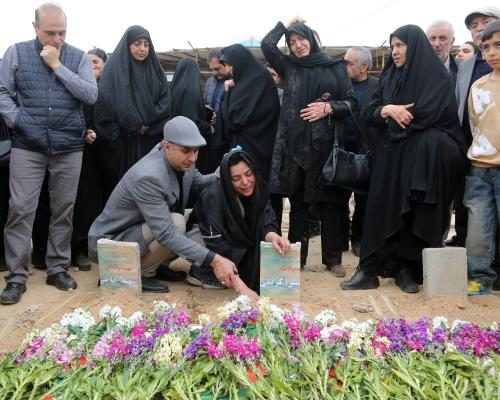
The Iranian government's official death toll has remained stagnant at around 1,500 for several days, but according to the Iranian Human Rights Activists News Agency, the actual figure could exceed 3,000, with countless others injured. While many Iranians find refuge at home, some have faced the grim reality of violence encroaching on their lives. Azadeh, a 46-year-old researcher and cinematographer, recounted a harrowing moment when a strike occurred just 200 meters from her and her pregnant sister. "I held her tightly in my arms to protect her from shrapnel, and in that moment, I felt so helpless," she shared. "Every time I hear the sound of an explosion, I feel fear. But I also feel such a responsibility towards my family, my sister and my elderly grandmother. I want to protect them from this war. Since the attack, I've lived in constant fear."
This atmosphere of anxiety has prompted many international students to leave Iran. Hasina, a 26-year-old Afghan medical student, described her journey back to Afghanistan, saying, "There's been a huge exodus. It was sad and scary to leave, and it was difficult to return to Taliban-controlled Afghanistan. At the border, many of us women got into trouble with the Taliban because we arrived without a male guardian. I hope to be back in Iran soon," she reflected from Herat, near the Iranian border. For her and many others, the safety of family outweighs the peril of staying in Tehran.
Divided Opinions Amidst the Conflict
The future remains uncertain for many Iranians. Some expressed concern that without significant political change, the conflict could become a recurring nightmare. Abbas, a 41-year-old man living in Tehran, noted, "We went through the 12-day war with Israel last year, and now we're under attack again. I worry this could become a pattern." The societal divide is stark; while most Iranians oppose the war, some view it as an opportunity for change, believing the violence might facilitate the downfall of the Islamic Republic. Following the announcement of Ayatollah Ali Khamenei's death, spontaneous celebrations erupted among some Tehranis, who cried out for freedom. In contrast, government supporters gathered in mourning, holding vigils and reciting prayers.
As attacks escalate across the nation, pro-government supporters have taken to the streets every evening, chanting slogans like "God is great, Khamenei is the leader" and "death to America, death to Israel." Farhad reflected on the societal rift, saying, "Our society is divided. Some believe this war could lead to a free, democratic government backed by the US, while others dismiss this, pointing to the failures of the US across the region. At the same time, many are suffering and being killed. Why aren't there anti-war protests in the US? It seems that nobody cares."
Striving for Daily Life Amidst Chaos
Despite the constant threat of violence, Tehran's residents are working to reclaim their daily routines. Normal activities like jogging in parks or enjoying coffee with friends continue, albeit tinged with the awareness of potential danger. The resilience of the Iranian people shines through their attempts to adapt to an unsettling environment. While many shops and cafes have reopened, the shadows of war loom large, impacting the psyche of a city eager for peace.
The desire for stability is palpable, with citizens yearning for a return to everyday life unmarred by conflict. Their voices echo a collective plea for peace, as they navigate a landscape fraught with uncertainty and fear. As the situation evolves, the resilience of the Iranian people may be tested further, but their quest for normalcy remains steadfast.
Originally reported by The Guardian. View original.