
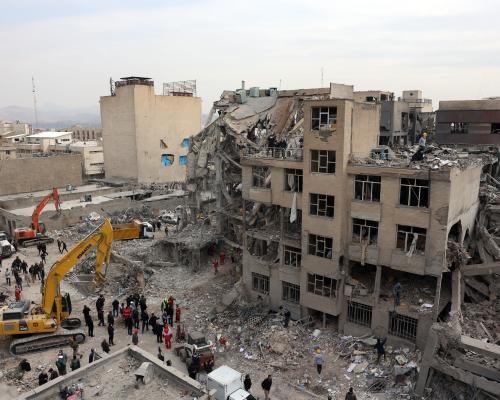
An Iranian hacker collective, known as Handala, claimed responsibility for a cyberattack on the U.S.-based Stryker Corporation, a prominent medical device manufacturer. This attack, which occurred on Wednesday, was reportedly a retaliatory move following the bombing of a school in Minab, Iran, an incident that has heightened tensions in the region and expanded the conflict into cyberspace. Handala's actions have raised concerns about the increasing use of cyber capabilities as a tool for geopolitical conflict.
Global Disruption and Its Impact
The cyber intrusion into Stryker Corporation caused significant disruptions to the company's operations, affecting thousands of employees who rely on the company's Microsoft systems. In an official statement, Stryker acknowledged the attack, outlining that it is anticipated to lead to "disruptions and limitations of access to certain of the Company's information systems and business applications." The company warned that the timeline for a complete restoration of its systems remains uncertain. The fallout from the breach was immediate, with Stryker's share price experiencing a decline of approximately 3% in response to the news. Originally reported by The Guardian.
Lee Sult, chief investigator at cybersecurity firm Binalyze, characterized the event as "the first drop of blood in the water," suggesting that the ongoing conflict involving Iran could increasingly target U.S. cyber infrastructure. Sult predicted that similar attacks could continue, indicating a shift in the cyber warfare landscape as tensions escalate.
Handala's Bold Claims
In a statement disseminated on the social media platform X, Handala claimed responsibility for the cyberattack, framing it as a response to what it described as the "brutal attack on the Minab school" and ongoing cyber assaults against the infrastructure of what it refers to as the "Axis of Resistance." The group labeled Stryker a "Zionist-rooted corporation" and asserted that they managed to wipe out thousands of systems and mobile devices while extracting an impressive 50 terabytes of data. However, Stryker has yet to confirm any data breach of this magnitude.
While Stryker has stated, "We have no indication of ransomware or malware and believe the incident is contained," the company has acknowledged that the investigation into the incident is ongoing. The full scope of the attack, including potential operational and financial impacts, remains uncertain. In their filing with the Securities and Exchange Commission, Stryker noted that they have not yet determined whether the incident is likely to have a material impact on the company.
The Rise of Pro-Iranian Hacktivism
The Handala Hack Team is a relatively new player in the world of cyber activism, having first emerged in 2023. Cybersecurity experts at Sophos have identified the group as an Iranian hacktivist faction that has previously targeted various organizations, particularly in the oil and gas sectors across the Middle East, including Israel, Jordan, and Saudi Arabia. Threat intelligence firm Intel 471 noted that the recent uptick in pro-Iranian hacktivist activities has provided the Iranian regime with a platform to demonstrate its perceived power during a time of domestic unrest and limited connectivity.
Intel 471 stated, "The recent surge in pro-Iranian hacktivist activity currently is providing the Iranian regime with a greater ability to project perceived power in a time where domestic connectivity is highly constrained." This highlights a strategic shift where cyber operations become an instrument of both retaliation and influence on a global scale.
Growing Cyber Tensions
The attack on Stryker Corporation underscores a significant escalation in the use of cyber capabilities for geopolitical purposes. As nations increasingly turn to cyberspace as a battleground, the repercussions can extend far beyond immediate financial impacts. The integration of cyber warfare into traditional military conflicts raises questions about the rules of engagement and the potential for collateral damage affecting civilians and businesses alike.
As the situation evolves, stakeholders across sectors must remain vigilant to the growing threat posed by cyberattacks. Organizations may need to reevaluate their cybersecurity measures to protect against increasingly sophisticated attacks that could stem from geopolitical tensions. Stryker's situation serves as a stark reminder of the vulnerabilities present in even the most critical infrastructures.
Looking ahead, experts anticipate that as the geopolitical landscape continues to shift, organizations will need to prepare for a future where cyber threats become an even more prominent feature of international relations. The ramifications of such attacks can reverberate globally, impacting economies, businesses, and national security.
Originally reported by The Guardian. View original.