
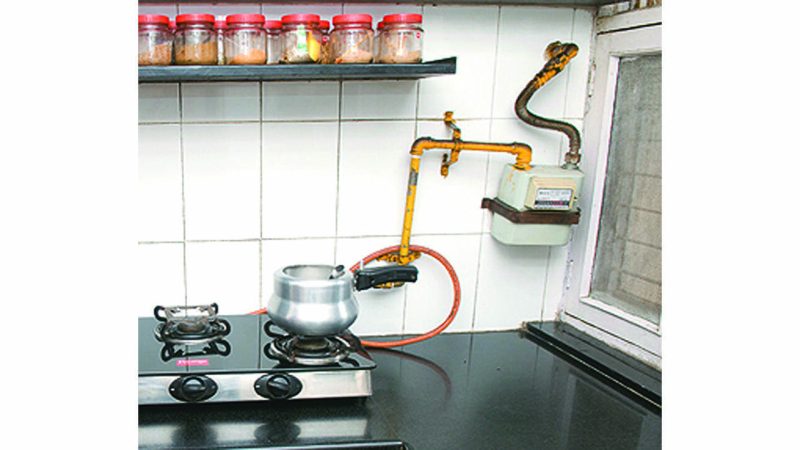
Congress has questioned why piped gas costs more in Gujarat than in Rajasthan, putting the comparison between the two states at the centre of a consumer pricing challenge. The party's question raises an immediate issue for households: whether apparently different bills reflect comparable supplies, taxes and service conditions.
Congress puts Gujarat and Rajasthan prices under scrutiny
The challenge concerns the price consumers pay for gas delivered through pipelines, rather than fuel sold in cylinders. That distinction matters when assessing the allegation. Different products have different pricing arrangements, and a comparison that mixes them wouldn't establish whether households in Gujarat face higher charges than those in Rajasthan for the same service. The starting point must be the applicable domestic piped gas tariff. Learn more on Investopedia.
A state-level comparison also needs precision. City gas distribution operates through designated geographical areas, and a state's name alone doesn't identify the supplier, tariff category or billing conditions involved. Prices quoted for one location cannot automatically be treated as representative of every consumer across that state. For Congress's comparison to be tested, the relevant locations and distributors would need to be identified.
Timing matters just as much as geography. A tariff charged during one billing period may not match the rate in force during another. Any assessment of whether piped gas is costlier in Gujarat than Rajasthan therefore needs prices effective on comparable dates. Without that alignment, an apparent difference can obscure rather than explain what consumers actually pay.
What a comparable household gas bill must show
The headline rate is only part of a household's bill. A useful comparison separates the charge for gas consumed from taxes and any applicable fixed or service charges. It should also distinguish recurring costs from one-time connection expenses. Otherwise, two consumers using similar amounts of gas might appear to face different fuel prices when the difference lies elsewhere in their bills.
Units need to match, too. Domestic piped gas tariffs are commonly expressed per standard cubic metre, while other fuels may be sold using different measures. Comparing unlike units doesn't establish which household receives cheaper energy. Even within piped gas, the tariff category and treatment of additional charges need to be clear before a percentage difference or monetary gap can be calculated.
For families, the practical question is straightforward: what would the same amount of gas cost under each tariff? That calculation is more informative than comparing total bills from households with different consumption patterns. A larger bill doesn't necessarily mean a higher unit price. And a lower advertised rate won't necessarily translate into a lower final payment if other applicable charges differ.
Pricing explanations must distinguish policy from supply costs
Congress's question places the emphasis on justification: if a difference exists on a like-for-like basis, what accounts for it? Gas procurement costs, distribution expenses, tax treatment and the terms under which suppliers operate are among the factors that can affect retail charges. Those are possible explanations to examine, not established reasons for the difference alleged between Gujarat and Rajasthan. Assigning responsibility requires evidence about the particular tariffs.
That distinction is essential in a political dispute over household spending. A higher price doesn't, by itself, demonstrate that a supplier or government has imposed an unjustified burden. Nor does pointing to general market conditions settle whether a specific charge is reasonable. The explanation must connect the price paid by consumers to the costs and rules that actually apply to their supply.
Transparency would make that examination easier. Clearly dated tariff schedules, a breakdown of taxes and charges, and an explanation of revisions would allow consumers to assess the comparison themselves. They would also help separate disagreements about pricing policy from differences caused by billing methods. The test isn't which side offers the strongest slogan, but whether the figures support the argument.
The next meaningful step would be a documented, like-for-like comparison of piped gas prices in Gujarat and Rajasthan. Until that is available, Congress's question remains a demand for an explanation rather than a demonstrated account of the gap.
Originally reported by The Times Of India. View original.