
Former President Donald Trump has claimed to have successfully brokered a ceasefire in Lebanon, marking what he describes as the end of a 10th war. However, the reality on the ground suggests that both sides remain poised for conflict, raising questions about the durability of this agreement.
Ceasefire Announcement Sparks Mixed Reactions
The ceasefire, first announced by Trump via social media, caught both the Israeli security cabinet and Hezbollah by surprise. While Israel's security leaders learned of the agreement through Trump's post, Hezbollah was informed by the Iranian ambassador to Lebanon. In the hours leading up to the ceasefire, both sides launched extensive military operations, with numerous bombs, rockets, and drones exchanged. The ceasefire, which is intended to last for 10 days, does little to address the underlying issues that ignited hostilities between the two parties. Originally reported by The Guardian.
Despite Trump's assertions of ending yet another conflict, the situation in Lebanon remains precarious. Israeli troops continue to maintain their positions, engaging in artillery fire against civilians who approach too closely. Hezbollah has stated its commitment to the ceasefire but also emphasized that its fighters remain ready to respond if necessary. This precarious balance of power suggests that the ceasefire could be fragile and subject to quick dissolution.
Underlying Tensions and Unresolved Conflicts
The ceasefire agreement aims to facilitate direct negotiations between the Lebanese and Israeli governments-a noteworthy development, given that both nations have not engaged in direct talks for decades. However, the path to peace is fraught with challenges. The negotiation agenda includes establishing a "lasting peace" that would allow the Lebanese government to maintain a monopoly on armed force within its territory and to delineate the borders, which have been contested since 2000.
Key issues such as the status of Hezbollah's weaponry and the presence of Israeli forces in southern Lebanon must be addressed for any meaningful resolution to occur. As of now, Hezbollah has signaled its reluctance to engage in talks with Israel, calling on the Lebanese government to refrain from negotiations. This lack of consensus complicates the prospects for a durable peace.
The Human Cost of Continued Conflict
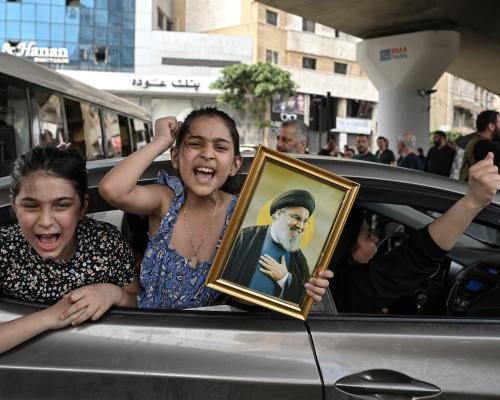
Residents of southern Lebanon face the aftermath of intense military operations, returning to find their homes destroyed and communities shattered. Approximately 2,200 people have reportedly been killed in the past month due to Israeli airstrikes, with many casualties being women, children, and the elderly. The absence of accountability for these deaths has intensified calls among Hezbollah supporters for the retention of their arms, as they perceive the Lebanese government as incapable of protecting its citizens from foreign aggression.
The recent global attention, including images of the Lebanese and Israeli flags displayed together in Washington, has been met with outrage among Hezbollah's base, who view such gestures as humiliating. Many feel that the current Lebanese government has failed to defend the nation against Israeli actions and has inadequately addressed the needs and safety of its people.
Domestic Pressures and Future Implications
In Israel, public sentiment is equally complex. A recent poll indicated that nearly 80% of respondents favored continued military action against Hezbollah, reflecting a widespread desire among northern Israelis to eliminate the perceived threat from the group. Statements from Israeli officials reveal a commitment to ongoing military efforts, with Israeli Defense Minister Israel Katz asserting that the military campaign's objectives-disarming Hezbollah through diplomatic or military means-are yet to be fully realized.
While Trump claimed that Israel is now "prohibited" from further bombing Lebanon, Prime Minister Benjamin Netanyahu has indicated that Israel has not yet completed its mission against Hezbollah. This disconnect between U.S. statements and Israeli military objectives highlights the ongoing volatility in the region.
As the ceasefire takes effect, it remains to be seen whether Trump will maintain his focus on Lebanon and whether his administration can play a constructive role in promoting peace. The coming days will be critical for both sides as they navigate the complex landscape of negotiations and the persistent threat of renewed conflict.
Originally reported by The Guardian. View original.