
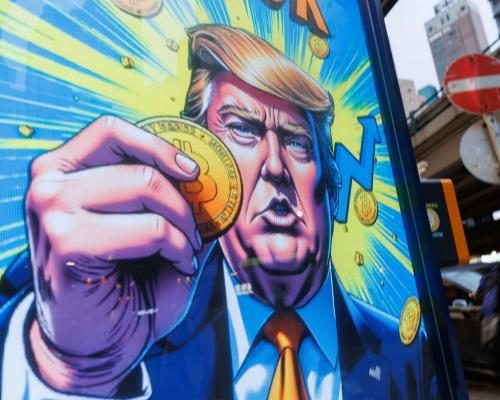
Corruption has evolved from the traditional image of cash envelopes to a more insidious influence that shapes international politics. As global crises intensify, corruption now poses a structural threat to equality and freedom worldwide. Transparency International's latest Corruption Perceptions Index, which evaluates 182 countries, highlights a disturbing trend where democratic institutions are increasingly undermined by political donations, cash-for-access schemes, and targeted harassment of journalists and activists.
This year's findings reveal a decade of stagnation in combating public-sector corruption, with the UK hitting its lowest score since 2012. The United States scores 64, slightly down from previous years, despite ongoing political turmoil. Israel's score also slipped to 62, even as it faces serious allegations regarding its actions on the international stage. Such Rankings suggest that perceptions of corruption are often forgiving, influenced by the geopolitical landscape rather than actual governance. Originally reported by The Guardian.
America's Role in Global Anti-Corruption Efforts
The United States has long been viewed as a leader in the fight against corruption, shaping global governance through its financial regulations and anti-bribery laws. However, recent decisions made under the Trump administration have raised concerns about the commitment to these principles. Critics argue that the U.S. has relaxed its anti-corruption measures, creating a dangerous precedent that could embolden corrupt practices worldwide. The fight against corruption can no longer be solely the responsibility of the U.S.; other nations must step up to fill the void.
As geopolitical tensions rise, the need for principled leadership has never been more urgent. The U.S. has historically served as an anchor in anti-corruption efforts, but the recent trend of selective enforcement suggests a departure from this role. Sanctions and anti-money-laundering regulations, originally designed to protect the public interest, have been perceived as tools for political leverage rather than mechanisms for justice.
The Consequences of Selective Enforcement
Under the previous administration, economic sanctions were criticized for disproportionately affecting civilian populations while failing to target corrupt elites effectively. UN experts and humanitarian organizations have voiced concerns that sanctions have devastated local economies, exacerbated poverty, and restricted access to essential resources like medicine and finance. In many instances, corruption doesn't vanish under these conditions; instead, it evolves, thriving in environments of scarcity and discretionary power.
Moreover, the erosion of international accountability mechanisms raises alarms. Judges and prosecutors associated with the International Criminal Court have faced threats and sanctions for pursuing investigations that challenge powerful state interests. The U.S. even sanctioned Brazilian Supreme Court Justice Alexandre de Moraes for overseeing a trial against former President Jair Bolsonaro, marking a troubling trend of using state power to intimidate those who uphold international law.
Corruption's New Face: Power Dynamics
Today's corruption is no longer merely about envelopes filled with cash; it has become a complex interplay of power. The dynamics of who is shielded and who is left vulnerable reflect broader political interests. When regulations like beneficial ownership rules are delayed or foreign bribery enforcement is weakened, the message to the global market is clear: illicit wealth will find refuge in jurisdictions that offer leniency. This creates fertile ground for kleptocrats who seek out compliant regulators and political cover.
As governments grapple with these realities, the relationship between political power and corruption becomes increasingly opaque. The implications extend beyond individual nations; they threaten the very fabric of international governance and accountability. The ideal of a fair and just global order is at risk if the structural threat of corruption continues to be sidelined.
Moving forward, it's essential for the global community to recognize and address the shifting landscape of corruption. The structural threat it poses to democratic institutions and international equality must be confronted head-on. Collective action and renewed commitment to anti-corruption measures are necessary to ensure accountability and protect the public interest. Without a concerted effort, the corrosive effects of corruption will only deepen, undermining the foundations of democracy and freedom worldwide.
Originally reported by The Guardian. View original.