
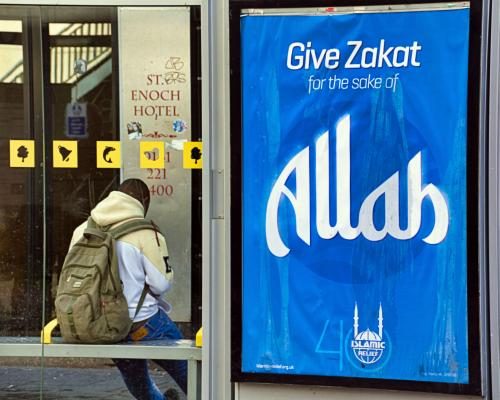
As Ramadan approaches, UK charities anticipate a surge in donations from the Muslim community, traditionally generating hundreds of millions of pounds. However, many organizations fear that their ability to deliver aid to crisis zones may be severely hampered by ongoing banking issues. With cuts in government aid from the US, UK, and Europe, the stakes have never been higher.
Challenges in International Aid Transfers
During Ramadan, British Muslims typically donate around £2 billion annually, with a significant portion of that amount raised through mosques, WhatsApp fundraisers, and televised appeals. Yet a growing number of charities are experiencing difficulties in transferring these funds abroad due to banking restrictions. According to a 2025 report by the Muslim Charities Forum (MCF), over two-thirds of Muslim charities have reported problems opening bank accounts. Furthermore, 42% of these organizations have had their banking services entirely withdrawn, a stark contrast to just 12% of charities overall. Originally reported by The Guardian.
These challenges can delay crucial humanitarian aid payments, particularly as banks implement stricter regulations to avoid the risks associated with money laundering and terrorism financing. Fadi Itani, the MCF chief executive, highlighted the humanitarian crisis in Sudan, stating, "These obstacles disrupt essential charitable operations and undermine the delivery of life-saving humanitarian assistance." The banking sector's aversion to risk leaves many charities excluded from the financial system.
Disproportionate Impact on Muslim Charities
The MCF report indicates that Muslim charities are disproportionately affected by these restrictive banking policies. Many organizations have faced lengthy delays-sometimes up to three years-just to open an account. Others have seen their accounts closed suddenly, often without explanation or recourse. Additionally, rigorous questioning about aid payments, particularly those destined for Palestine, Syria, or Pakistan, has become commonplace.
Dr. Samantha May, a senior lecturer at the University of Aberdeen, noted that many Muslim-led charities avoid even attempting to obtain special licenses necessary to operate in sanctioned states like Afghanistan. She explained that they often anticipate that their applications won't be approved and fear that simply applying could generate "red flags" that complicate their banking relationships.
Concerns Among Donors and Mosques
As complications arise, donor confidence may waver, especially when contributions to aid projects experience delays. Mosques often prefer to support well-established charities, selecting only a few to partner with during Ramadan to ensure direct oversight of how funds are utilized. An administrator from an east London mosque explained their cautious approach, stating they only support four charities to maintain control over donations.
This careful selection process reflects a broader unease among mosque leaders regarding the additional scrutiny that Muslim charities face. Razib Hasan, finance director at Muslim Aid, one of the UK's largest Islamic charities, suggested that legislative changes could help alleviate some of the issues faced by these organizations. "Adopting legislation similar to that in France and Belgium, which designates a bank account as a legal right, could be a positive step," Hasan stated.
Potential Solutions for Charitable Organizations
Itani echoed Hasan's sentiments, advocating for a more supportive banking environment for Muslim-led charities. "Muslim-led charities must be able to operate without undue hindrance. Only then can their capacity to support vulnerable communities-both in the UK and globally-reach its full potential," Itani remarked.
The Financial Conduct Authority (FCA) acknowledged the challenges faced by charities in maintaining bank accounts. A spokesperson noted, "We know that some charities face real difficulties opening and keeping bank accounts." Addressing these issues is essential for ensuring that the funds raised during Ramadan can effectively reach those in desperate need.
As Ramadan unfolds, the future of charitable giving hangs in the balance. With millions expected to contribute, the urgency to find solutions that allow these funds to flow to crisis zones has never been more critical. Without reform, the potential impact of this generosity may be significantly diminished, leaving vulnerable populations without the support they desperately require.
Originally reported by The Guardian. View original.