
When it comes to understanding the challenges of living with a cleft lip, living with a cleft lip can mean decades of challenges beyond surgery, as accounts from two men in their 60s highlight. Following Hugh Davies's reflections published on 29 April, a University of Bristol researcher is drawing attention to a UK-wide study of young adults aged 18 to 23.
The effects extend beyond facial appearance
Dr Stephanie van Eeden, of the Cleft@18-23 study at the University of Bristol, welcomed national attention to cleft experiences while warning that public understanding remains limited. A cleft isn't simply a small cosmetic difference: its effects can involve feeding, hearing, speech, dental development, facial growth and emotional wellbeing from infancy. Originally reported by The Guardian.
Davies described his experience in "A moment that changed me: I cried about my cleft lip for the first time in my 60s", published on 29 April. His account brought attention to feelings that can remain difficult to discuss long after childhood treatment has ended.
For Dr Stephanie van Eeden, someone speaking openly in their 60s illustrates why accounts across generations matter. The physical demands of treatment and the emotional experience of growing up with a visible difference don't necessarily follow the same timetable.
That distinction matters when understanding the challenges of living with a cleft lip. Describing it only through appearance leaves out the everyday functions affected and the personal consequences people may carry into adulthood, even when their childhood care is long behind them.
Cleft@18-23 examines life after childhood care
Care has changed since Davies was a child. Reforms that regionalised cleft services in the early 2000s brought a more coordinated approach, according to Dr Stephanie van Eeden. Children now benefit from coordinated surgical care, better speech and hearing support, and greater recognition of psychological needs.
But improvements in childhood services haven't answered every question about what follows. Dr Stephanie van Eeden identified the transition into adulthood as an area where knowledge remains incomplete, making younger people's experiences a research priority rather than assuming that earlier generations' accounts tell the whole story.
The Cleft@18-23 study, funded by the National Institute of Health and Care Research, aims to understand the experiences, challenges and hopes of people aged 18 to 23 who were born with a cleft. Research clinics are taking place across the UK, and participants can also share their experiences through online interviews.
Young people have helped shape the programme. They've described how their experiences differ from those of older generations, while also expressing how meaningful it feels to build a community across ages. The study therefore brings personal testimony into research that seeks a clearer understanding of adulthood.
Kenneth Low describes the lasting social consequences
Kenneth Low, from York, also in his 60s and born with a cleft palate, echoed much of Davies's account. He described the way facial features can shape other people's responses, including judgments about intelligence, with consequences that last a lifetime.
Such reactions can make social situations uncomfortable. Low said they can leave a person shy, but can also strengthen a determination to become the best person possible regardless of what others think. His account places social attitudes alongside medical care in understanding the challenges of living with a cleft lip.
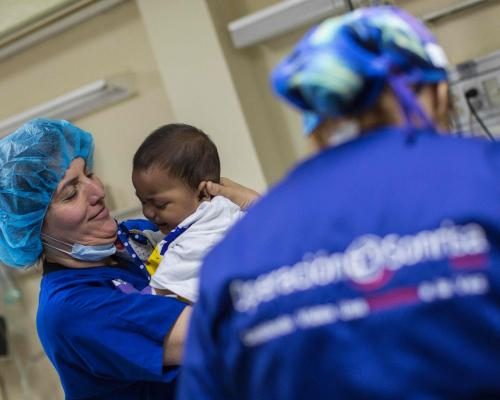
Low recalled being fortunate to receive treatment from a top surgeon working at his local hospital during childhood. He contrasted that experience with the position of children in poor countries who have fewer opportunities for treatment, and highlighted the importance of the Operation Smile charity.
His reflections underline a distinction: access to treatment and acceptance by others are different issues. A person may value the surgery they received while still describing years of difficult encounters. Better services don't, by themselves, establish how someone has felt about being seen, heard or judged throughout their life. That's part of the wider picture.
As the Cleft@18-23 study gathers accounts from clinics and online interviews, its focus remains on a generation whose care has differed from that of Davies and Low. Their experiences shouldn't be treated as interchangeable. Listening to younger adults alongside people in their 60s offers a way to recognise progress without overlooking the questions that remain about emotional wellbeing, social responses and the move beyond childhood services. Every generation has something distinct to contribute to that shared public understanding.
Originally reported by The Guardian. View original.