
The Church of England is poised to issue a formal apology for its involvement in forced adoptions and the broader mother and baby home scandal in the UK. This anticipated acknowledgment comes as a significant victory for survivors who have campaigned tirelessly for recognition of the injustices they faced. The scandal, which saw hundreds of thousands of children forcibly separated from their mothers, has cast a long shadow over the church's legacy, particularly in the postwar era.
Historical Context of the Scandal
For decades, the Church of England operated numerous institutions where unmarried pregnant women were sent to give birth in secrecy. These mother and baby homes were part of a nationwide network that included facilities run by the Catholic Church and the Salvation Army, often in collaboration with statutory agencies. Women in these institutions frequently faced abuse and neglect, with their infants being handed over to married couples, sometimes in exchange for donations to organizations promoting "moral welfare." Originally reported by The Guardian.
A parliamentary inquiry conducted in 2021 revealed that between 1949 and 1973, there were approximately 185,000 adoptions involving unmarried mothers in England and Wales. This staggering figure highlights the scale of the operation, which has left many survivors grappling with the long-term emotional and psychological consequences of their experiences.
Details of the Anticipated Apology
Reports indicate that an early draft of the Church of England's apology acknowledges the profound impact of these experiences on survivors. According to the draft, the church recognizes its role in a system characterized by harmful attitudes and behaviors. The statement reads: "For the pain and trauma experienced - and still carried - by many women and children in church-affiliated mother and baby homes, we are deeply sorry." This marks a pivotal moment for many who have sought accountability for the church's past actions.
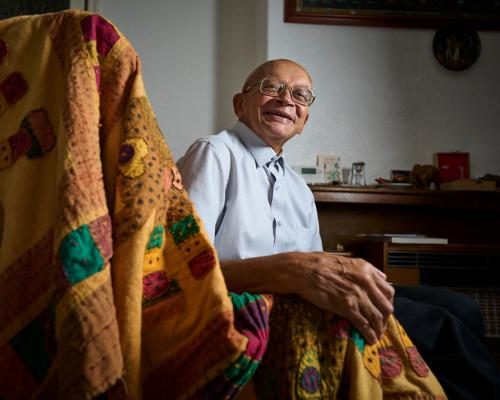
Phil Frampton, a writer and campaigner from Manchester, emphasizes the importance of the wording in the apology. He stated, "A lot of survivors will be delighted. What's coming is a big victory after all the campaigning people have done over the last 20 years - providing that the wording is not mealy-mouthed and designed to protect the church." Frampton himself was born in an Anglican institution in 1953, a direct result of the church's policies surrounding forced adoptions.
Calls for Wider Accountability
Despite the church's forthcoming apology, many advocates feel that the Church of England and the state must take further steps to address the suffering caused by these institutions. Frampton argues that the church and the state were the principal supporters of forced adoptions and should be compensating survivors for the trauma they endured. His comments reflect a broader sentiment among survivors who believe that the church's actions, rather than the societal norms of the time, should be scrutinized.
Moreover, research conducted by Dr. Michael Lambert of Lancaster University has raised concerns about the use of diethylstilbestrol, a drug linked to increased cancer risks, in some mother and baby homes. An ITV investigation has also uncovered unmarked graves across England, containing the remains of infants who did not survive the conditions of these institutions. Such findings underscore the urgent need for transparency and accountability.
Government Response and Future Steps
While the Church of England prepares to acknowledge its role, the UK government has faced pressure to follow suit. During a recent session with the education select committee, children and families minister Josh MacAlister admitted that the UK state "had a role" in historical forced adoptions and stated that the case for a formal apology was "being actively considered."
Other regions, including Ireland, Scotland, and Wales, have already issued apologies for similar injustices, while organizations like the Salvation Army and the head of the Catholic church in England and Wales have also expressed remorse. Advocates argue that the UK is lagging in addressing these historical grievances and providing survivors access to vital records that could help them reconnect with their lost children.
This forthcoming apology from the Church of England represents a significant step in acknowledging the pain endured by countless women and children. As survivors await the formal statement, there is a collective hope that this will pave the way for broader accountability and healing.
Originally reported by The Guardian. View original.