
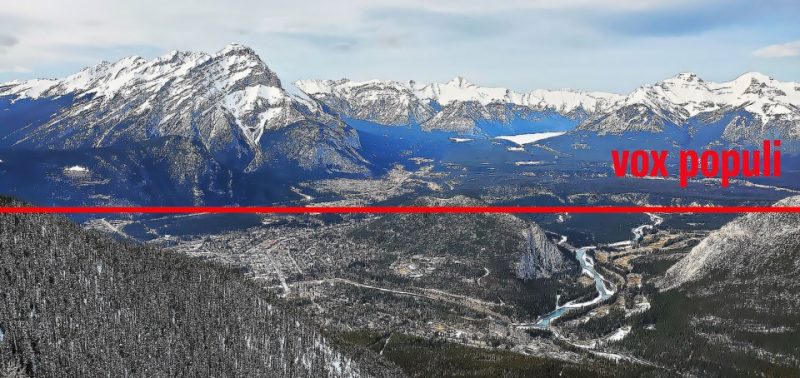
As Alberta's infrastructure continues to evolve, AltaLink's Project 54L is being portrayed as a straightforward upgrade. However, an environmental assessment of the project reveals deeper issues that raise significant concerns. The proposed right-of-way traverses critical habitat, posing potential risks to local ecosystems.
Project Overview and Claims
AltaLink, a major electricity transmission company in Alberta, is advancing Project 54L, which aims to enhance the existing infrastructure for improved energy distribution. The company emphasizes that the project has manageable "potential effects" that can be mitigated with proper planning. According to the information provided, the project involves the construction of approximately 60 kilometers of new transmission line, an undertaking that is expected to improve service reliability and meet growing energy demands.
However, the portrayal of the project as a simple upgrade conceals the complexities involved. The right-of-way designated for Project 54L cuts through areas identified as critical habitat for various species, including some that are endangered. The environmental assessment conducted by AltaLink itself raises serious questions about the actual impact of the project on these sensitive ecosystems.
Environmental Assessment Findings
Upon reviewing the environmental assessment, it becomes clear that the potential effects of Project 54L are far from negligible. The assessment details various ecological concerns, including habitat fragmentation and increased human activity in previously undisturbed areas. These factors could severely disrupt local wildlife populations, particularly those species that rely on intact habitats for breeding and feeding.
Moreover, the assessment notes that mitigation measures suggested by AltaLink might not be sufficient to address the scale of the environmental impact. Critics argue that relying on mitigation strategies often leads to inadequate protection of vulnerable habitats. The loss of habitat can have cascading effects, threatening species survival and altering ecosystem dynamics.
Community Response and Advocacy
Local communities and environmental advocacy groups have begun to voice their concerns regarding Project 54L. Many residents worry that the infrastructure upgrade comes at too high a cost to the environment. They highlight the importance of preserving natural habitats, especially in a province known for its rich biodiversity. Activists argue that the project should undergo a more thorough review process to fully assess its environmental implications.
Several organizations dedicated to conservation have rallied against the project, calling for increased transparency and public engagement. They emphasize the need for a balanced approach to infrastructure development that prioritizes environmental sustainability alongside economic growth. As the debate unfolds, community members are demanding to be heard in discussions that could shape the future of Alberta's natural landscapes.
Next Steps for Project 54L
As the project moves forward, AltaLink faces pressure to address the environmental concerns raised by the assessment and the community. The company is tasked with demonstrating that it can effectively mitigate the potential impacts of Project 54L on critical habitats. This includes providing detailed plans for habitat restoration and ongoing monitoring of wildlife populations in the area.
Regulatory bodies will also play a crucial role in determining the project's fate. Given the significant ecological implications, a thorough evaluation by environmental agencies is essential. These agencies will need to ensure that AltaLink adheres to all regulations designed to protect Alberta's natural resources.
Looking ahead, the balance between infrastructure development and environmental conservation will remain at the forefront of discussions surrounding Project 54L. The outcome of this project could set a precedent for future developments in the province, highlighting the ongoing tension between utility expansion and ecological preservation. Stakeholders will be watching closely as the situation unfolds, eager to see how Alberta navigates the challenges of growth while safeguarding its unique environment.