
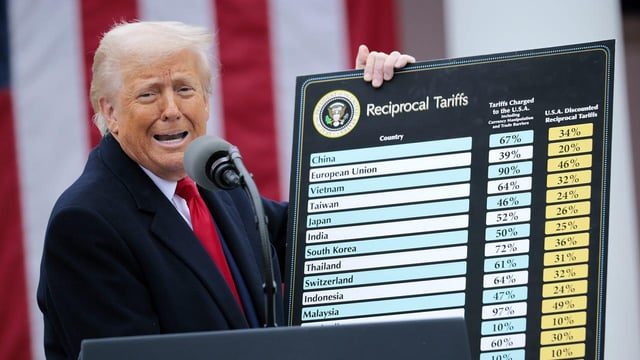
Nintendo has filed a lawsuit against the U.S. government, claiming that the tariffs imposed during Donald Trump's presidency were unlawful and led to significant financial repercussions for the company. The dispute centers around the impact of these tariffs on the pre-order timeline for the highly anticipated Switch 2 console, which has caused delays and financial strain. Nintendo is seeking a refund for the tariffs paid, along with interest, as it argues that the government's actions were unjust.
Details of the Lawsuit Against the U.S. Government
The lawsuit was formally lodged in a federal court and highlights the substantial burden that the tariffs placed on Nintendo's operations in the United States. The tariffs, which were implemented as part of a broader trade policy aimed at China, particularly affected the electronics sector. Nintendo alleges that the tariffs led to increased costs that directly contributed to a delay in the launch of the Switch 2. The company is demanding a full refund on the tariffs it has paid, which reportedly amounts to millions of dollars, plus interest. Originally reported by r/gadgets.
Nintendo's legal team argues that the tariffs were imposed without proper justification and that the consequences of these tariffs were not fully considered. "The imposition of these tariffs was arbitrary and capricious, leading to unnecessary financial hardship for our company," a spokesperson for Nintendo stated. The company's legal representatives are optimistic about their chances, citing legal precedents that favor businesses adversely affected by government policies.
Impact on Switch 2 Pre-Orders
The launch of the Nintendo Switch 2 was highly anticipated, with pre-orders expected to generate significant revenue. However, due to the unintended consequences of the tariffs, the rollout has faced delays. Analysts suggest that this postponement could affect Nintendo's market position, especially against competitors who have successfully launched new products.
According to estimates, the company could lose millions in potential sales due to this delay. Pre-orders for the Switch 2, which were initially set to launch in early 2024, have now been pushed back, causing frustration among fans and retailers alike. "This delay is disappointing for consumers eagerly awaiting the new console, as well as for retailers who have been banking on those sales to boost their early-year revenues," said an industry analyst.
Reactions from the Gaming Community and Industry Analysts
The gaming community has responded with mixed emotions to the lawsuit and the associated delays. Many fans express disappointment over the pre-order delays while also showing solidarity with Nintendo in its fight against the tariffs. Social media has been abuzz with discussions about the implications of the lawsuit, with many gamers emphasizing their support for Nintendo's right to seek redress.
Industry analysts are closely monitoring the situation, noting that this lawsuit could set a precedent for other companies affected by similar tariffs. "If Nintendo succeeds, we may see an influx of similar lawsuits from other tech companies facing tariff-related challenges," explained one analyst. The outcome of this case could potentially reshape the landscape for international trade and technology companies, especially as they navigate the complexities of U.S. trade policies.
Broader Implications for U.S.-China Trade Relations
This lawsuit comes at a time of heightened scrutiny regarding U.S. trade relations, particularly with China. The tariffs were part of a larger strategy that aimed to address trade imbalances and intellectual property concerns but have sparked a backlash from various sectors, including the tech and gaming industries. Many companies are now questioning the sustainability of such tariffs and their long-term effects on business operations.
Should the court rule in favor of Nintendo, it could reignite discussions around tariff policies and their impact on global trade. The ruling may also encourage other companies to take a stand against what they perceive as unfair trade practices. As Nintendo navigates this legal battle, the outcome will be closely watched by both industry insiders and consumers alike.
In summary, Nintendo's lawsuit against the U.S. government highlights the ongoing complexities surrounding trade policies and their direct impacts on businesses. As the gaming giant seeks redress for the financial burdens imposed by tariffs, it underscores the broader implications for the tech industry and U.S.-China relations.
Originally reported by r/gadgets. View original.