
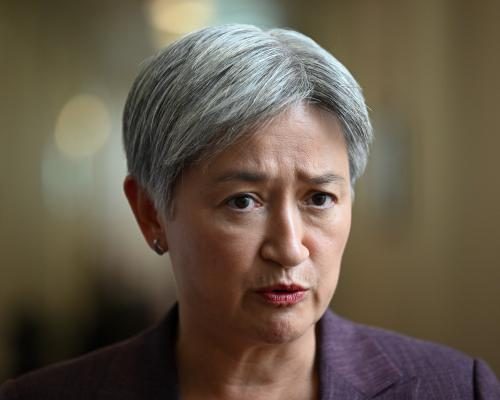
Australia is on the verge of finalizing a significant security and economic agreement with Fiji, aimed at countering China's expanding influence in the Pacific region. This move comes amid setbacks related to a separate security pact with Vanuatu, which has seen increased Chinese engagement in the island nation. Australian Foreign Minister Penny Wong and Minister for Pacific Island Affairs Pat Conroy are set to arrive in Suva for discussions focused on strategic ties and fuel security.
Strengthening Ties with Fiji
The Australian government, led by Prime Minister Anthony Albanese, is intensifying its diplomatic efforts in the Pacific. Wong and Conroy's three-day visit to Fiji is expected to advance a new treaty, referred to as the Vuvale Union, in talks with Fiji's Prime Minister Sitiveni Rabuka and his cabinet. This agreement is part of Australia's broader strategy to reinforce its partnerships in the Pacific, which Wong described as vital for ensuring a "secure, stable and resilient" region. Originally reported by The Guardian.
Wong stated, "Strengthening our ties with Fiji is a key part of Australia's broader commitment to the Pacific, grounded in listening, partnership and long-term collaboration." Discussions will cover various issues, including energy security, as well as the disruptions to global supply chains caused by geopolitical tensions, particularly the ongoing conflict in Iran.
Regional Security Challenges
Australia's engagement in the Pacific has ramped up significantly since Labor's election victory in 2022, largely driven by concerns over China's increasing influence through infrastructure financing and regional partnerships. The ministers are set to address not only energy challenges but also the rising threat of transnational crime, which Conroy highlighted as a top security concern for the region after climate change. "We recognise that after climate change, transnational crime is a top security threat for the region," he said. "That's why we'll discuss how Australia can support a coordinated regional response to transnational organised crime."
Australia's recent security agreements with Tuvalu and Nauru reflect its proactive approach to solidifying its presence in the Pacific. Following a secretive security pact between the Solomon Islands and China in 2022, the Albanese government has prioritized regional cooperation, hoping to create a more stable geopolitical environment amid growing tension with Beijing.
Vanuatu's Dilemma and Chinese Investment
While Australia seeks to deepen its engagement with Fiji, it faces challenges regarding its relationship with Vanuatu. Efforts to finalize the Nakamal agreement, aimed at establishing Australia as Vanuatu's primary security partner, have stalled due to concerns from Vanuatu's officials about China's influence. In September, Vanuatu's government raised alarms over infrastructure funding commitments from Beijing, which have become increasingly attractive for developing nations.
Vanuatu's Prime Minister Jotham Napat confirmed that the delay in finalizing the agreement is linked to the country's ongoing negotiations with China. The Namele agreement, touted as a "comprehensive development cooperation agreement," has drawn attention for its potential to shift Vanuatu's reliance on foreign aid and investment. In the past year, China has invested heavily in Vanuatu, including an $86 million donation for renovations to the prime minister's office.
Australia's Future Plans in the Pacific
Despite the setbacks, Australia remains committed to securing a deal with Vanuatu. A previous security agreement reached in 2022 was never ratified by Vanuatu's parliament, prompting questions regarding the nation's foreign policy principles of non-alignment. Nonetheless, the Albanese government is optimistic about establishing a new framework that aligns with Vanuatu's interests while counterbalancing Beijing's growing presence.
As Wong and Conroy prepare for their discussions in Fiji, the focus will also be on the upcoming pre-Cop31 summit in October, which Fiji will host. This summit is part of a negotiated agreement between Australia and Turkey over hosting rights for a significant climate event later in November. Australia aims to enhance its position in the Pacific through these diplomatic engagements, seeing them as essential to fostering long-term stability in a region increasingly influenced by external powers.
With the geopolitical landscape shifting, Australia's commitment to its Pacific neighbors is likely to shape future relationships. The outcomes of these discussions will be critical not only for Australia but also for the geopolitical dynamics within the Pacific region.
Originally reported by The Guardian. View original.