
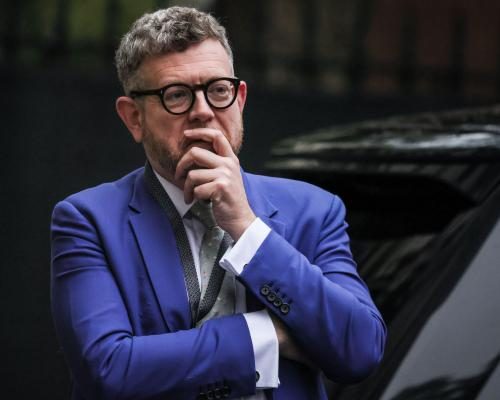
New revelations have emerged regarding Downing Street's attempts to secure a diplomatic position for Matthew Doyle, former communications chief for Labour leader Keir Starmer. During testimony before the House of Commons Foreign Affairs Select Committee, Olly Robbins, the Foreign Office's former lead civil servant, disclosed that he had multiple discussions with No 10 about finding a senior role for Doyle, who faced suspension from the Labour Party following a scandal involving his support for a friend charged with serious criminal offenses.
Pressure from Downing Street
In a session with MPs on Tuesday, Robbins detailed how he was instructed to explore options for Doyle's placement as a head of mission, despite significant reservations. "There were several discussions initiated by No 10 with me about potentially finding a head of mission opportunity for Matthew Doyle, who was then the prime minister's director of communications," Robbins stated. He added that he was explicitly told not to discuss this matter with David Lammy, who was the foreign secretary at the time. Originally reported by The Guardian.
This revelation raises questions about the appropriateness of government influence in diplomatic appointments. Robbins described the pressure from senior government officials as part of a troubling trend where political figures, rather than seasoned career diplomats, are appointed to crucial diplomatic positions. He noted, "It was, to be honest, hard to find something that I thought might be suitable. But I also felt quite uncomfortable about it and I kept giving advice that I thought this would be very hard for the Foreign Office, and hard for me personally, to defend."
Matthew Doyle's Controversial Suspension
Matthew Doyle's political career took a sharp turn following his involvement in a local election campaign for Sean Morton, a former Labour councillor. Morton was charged with possessing indecent images of children, a serious crime that led to widespread condemnation when it came to light. After the revelations surfaced, Doyle was suspended from the Labour whip in February 2023, a decision that has since cast a shadow over his professional integrity.
Robbins testified that the discussions regarding Doyle occurred in March 2025, shortly before he resigned from his position at Downing Street. The timing is significant, as it highlights a period of turmoil within Labour ranks and raises concerns about ethical standards in political appointments. "It was difficult for me, personally, honestly, as a leader, to explain why very talented and experienced diplomats were having to leave the organisation, and people who would be widely considered to have rather fewer credentials would be input in these important jobs," Robbins remarked, emphasizing the challenges faced by the Foreign Office.
Political Implications and Diplomatic Integrity
The incident highlights a broader issue of political interference in diplomatic roles, which Robbins suggested has been a growing trend. He expressed concern over the implications this trend has for the integrity and effectiveness of British diplomacy, stating, "It was part of a creep of senior diplomatic roles going to non-career diplomats." This shift may undermine the professionalism essential for effective foreign relations, particularly in an increasingly complex global environment.
As the Foreign Office navigates these challenges, the implications for future appointments and the standards expected of those in high-level diplomatic roles remain crucial topics of discussion. The revelation of Downing Street's involvement in trying to secure a position for Doyle raises serious questions about transparency and the ethical dimensions of political patronage.
Looking Ahead: The Future of Diplomatic Appointments
As the political landscape evolves, the scrutiny surrounding appointments to significant roles within the Foreign Office is likely to intensify. The government's reliance on political figures for diplomatic positions may lead to calls for reform and a reevaluation of how such appointments are made. Robbins's testimony serves as a wake-up call for the necessity of maintaining high standards in diplomacy, emphasizing the importance of experience and qualifications over political connections.
In an era where diplomatic relations can significantly impact national and global stability, ensuring that the most qualified individuals hold key positions is paramount. The revelations regarding Matthew Doyle and the pressures from Downing Street may prompt a broader conversation about the future of British foreign policy and the integrity of its diplomatic corps.
Originally reported by The Guardian. View original.