
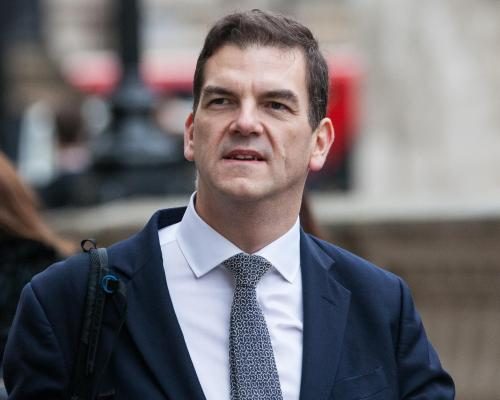
Olly Robbins, the recently sacked chief of the Foreign Office, is set to testify before the Commons Foreign Affairs Committee regarding the controversial appointment of Peter Mandelson as ambassador to the United States. Robbins will reveal that he did not review the full security vetting report on Mandelson, which had significant implications for the former Labour minister's clearance.
The hearing, which commenced at 9 AM, comes amidst growing scrutiny over Keir Starmer's decision to announce Mandelson's appointment before the completion of necessary security checks. According to reports by The Times, Robbins is expected to disclose that he was only briefed verbally by the Foreign Office's security team, which described Mandelson's vetting outcome as "borderline." The UK Security Vetting (UKSV) did not formally recommend Mandelson for clearance, but Robbins ultimately assessed the associated risks as manageable. Originally reported by The Guardian.
Robbins' Testimony and the Vetting Process
In his appearance before the committee, Robbins will clarify that he did not see the formal UKSV recommendation against Mandelson. Instead, he relied on a verbal briefing that indicated the risks could be mitigated. "I assessed the outstanding risks and concluded that they could be managed effectively," Robbins is expected to state, emphasizing that he was under pressure to finalize the appointment swiftly.
The timing of Starmer's announcement raised eyebrows, especially since it occurred before the completion of Mandelson's vetting process. Robbins plans to highlight the "prevailing atmosphere" in the government at that time, suggesting that political urgency influenced the decision-making process. This revelation could have significant ramifications for Starmer's leadership, as it raises questions about the judgment exercised in high-stakes appointments.
Political Fallout and Reactions
Ed Miliband, the current Energy Secretary and former leader of the Labour Party, has publicly expressed concerns about Mandelson's appointment, stating he always believed it would "blow up." In an interview with Sky News, Miliband reflected on the potential fallout, explaining, "I had a conversation with David Lammy about it before the appointment, and I said I was worried about it.. I think he was worried about it too." However, Miliband admitted that he did not voice his concerns to Starmer, given their historically strained relationship.
Despite the controversy, Miliband does not believe Starmer should resign over the appointment. He remarked, "If every time a prime minister made a mistake they resigned, we would shuttle through prime ministers like nobody's business. Prime ministers make mistakes." This statement underscores the complexity of political accountability and the challenges leaders face when making decisions under pressure.
Labour Party Dynamics and Public Perception
Within the Labour Party, the mood following the Mandelson Appointment has been tense. Sarah Champion, Labour MP and chair of the International Development Committee, commented on Starmer's unpopularity among voters. "I'll be honest with you, people don't like Keir on the door but it's not over this Mandelson thing. They don't like him personally," she noted, attributing his challenges to a broader campaign by opposition parties to undermine his leadership.
Champion emphasized that a leadership challenge is not what the party needs at this moment. Her comments reflect an awareness of the internal dynamics within Labour and the potential for external factors to influence public perception. The party is grappling with the implications of the Mandelson saga, while also facing a challenging political landscape.
Meanwhile, Donald Trump has taken to social media to express his disdain for Starmer's decisions, branding the Mandelson Appointment as a "really bad pick." Such remarks from the former U.S. president may influence perceptions of Starmer's leadership, especially as the Labour leader navigates the complexities of international relations and domestic politics.
As the Foreign Affairs Committee continues its inquiry, Robbins' testimony is poised to shed light on the decision-making processes within the Foreign Office. While it may not lead to earth-shattering revelations, the hearing is a critical moment for Starmer's administration as it contends with the repercussions of the Mandelson appointment. The political landscape remains fluid, and the implications of this controversy will likely reverberate in the months to come.
Originally reported by The Guardian. View original.