
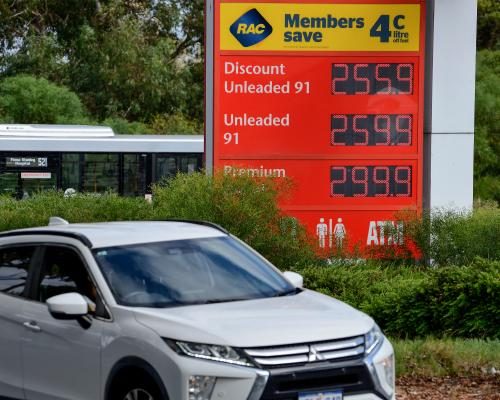
As fuel prices soar, the Albanese government is under increasing pressure to implement measures to assist struggling Australian households. With the cost of living continuing to rise, potential solutions such as working from home and offering free public transport are being proposed. Meanwhile, New Zealand is set to roll out a pioneering cash relief program aimed at helping families cope with escalating petrol costs.
New Zealand's Innovative Fuel Relief Initiative
Nearly 150,000 families in New Zealand will soon benefit from a unique weekly cash payment designed to alleviate the burden of high fuel prices. This initiative, believed to be the first of its kind globally since the onset of the Israel-US conflict with Iran, aims to directly support citizens facing financial strain. As fuel prices fluctuate due to ongoing international tensions, expectations are mounting for the Albanese government to consider similar strategies. Originally reported by The Guardian.
Calls for Action from Australian Officials
On Tuesday, Treasurer Jim Chalmers reiterated that there would be no reductions to the federal fuel excise, which currently adds over 52 cents per litre to petrol prices. He noted that tax cuts set to take effect in the next financial year remain the primary focus for the government. Despite a growing chorus of voices advocating for immediate action, Chalmers emphasized the need for a more comprehensive approach rather than quick fixes.
Social Services Minister Tanya Plibersek suggested that working from home could be a beneficial option for those struggling with fuel costs, although she stopped short of mandating it. "We're not telling people that they must work from home," she stated during an appearance on Sunrise. "The most helpful thing people could do is just buy the fuel they need and no more." This sentiment, however, has drawn criticism from opposition members like Shadow Employment Minister Jane Hume, who argued that working from home won't address the fundamental issues affecting fuel supply.
Legislative Responses and Local Proposals
In a move to respond to the urgent needs of Australians, various political factions are pushing for enhanced public transport options. The Nationals, the Greens, and crossbench members voted in favor of a motion urging the government to provide accessible, free, or affordable nationwide public transport during the current fuel crisis. The Liberal Party, however, abstained from the vote, indicating a lack of consensus on the best course of action.
In New South Wales, the opposition has proposed capping fuel prices on a daily basis and offering free public transport over the Easter holiday period. Premier Chris Minns countered that public transport is already heavily subsidized, suggesting that further measures may not be necessary.
Proposals from Independent Senators
Independent Senator David Pocock has put forth a bold plan, advocating for a flat 25% export levy on gas producers. This proposal aims to redirect what he terms "wartime profits" into programs supporting struggling Australians. He highlighted the disproportionate impact of rising costs on those relying on fixed incomes, such as pensioners, who are least able to benefit from alternative energy solutions like electric vehicles and rooftop solar. "If the Albanese government had the guts to get the big gas companies to pay a fair share of tax for the export of the gas resources that all Australians own, we could fund things like free public transport, food pantries, and desperately needed increases to safety net payments," Pocock stated.
In her communication with Chalmers, Greens Senator Penny Allman-Payne urged the government to pause mutual obligations for welfare recipients amid the rising cost of living. Many individuals on fixed incomes, she noted, are struggling to afford essential travel for appointments or work-related activities. "People forced to survive on these poverty payments have been smashed by the cost of living crisis," Allman-Payne said.
Experts from the Antipoverty Centre have voiced similar concerns, asserting that the current welfare compliance regime should not force individuals to travel for appointments when they are already facing financial hardship. Economic Justice Australia has also highlighted the challenges faced by those in remote areas, where travel distances can be prohibitively expensive given current fuel prices.
As discussions surrounding fuel relief intensify, the Albanese government faces a critical decision on how best to support Australians grappling with soaring costs. With local and international examples emerging, the pressure for a comprehensive response is likely to grow in the coming weeks.
Originally reported by The Guardian. View original.