
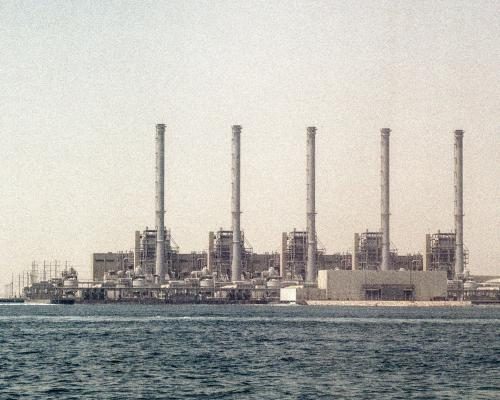
In a stark warning, Iran has threatened "irreversible destruction" of critical water infrastructure across Gulf nations should the United States proceed with military action targeting its electricity grid. This alarming declaration heightens concerns about the stability of water supplies in a region reliant on desalination plants for drinking water. Countries such as Saudi Arabia, the United Arab Emirates, Qatar, Bahrain, Kuwait, and Oman, all vulnerable to such threats, face the potential for mass disruption of essential water resources.
The Role of Desalination in the Gulf
Desalination plants are vital to the Gulf, transforming seawater into potable water by eliminating salt and minerals through a process known as reverse osmosis. Given the region's arid climate and minimal rainfall-coupled with a lack of rivers and freshwater springs-these facilities are indispensable. The construction of desalination plants began in the 1960s and 70s, coinciding with the oil boom, and they saw significant expansion in the 1990s as urbanization accelerated in cities like Dubai. Originally reported by The Guardian.
Today, desalination represents the primary source of water for Gulf nations. For instance, Kuwait relies on these plants for approximately 90% of its water supply, while Saudi Arabia meets around 70% of its needs through desalination. As urban populations grow and industries expand, the importance of these facilities has only increased, making them a strategic asset for the region's survival.
Strategic Vulnerability of Water Facilities
With the population of Gulf countries heavily dependent on a few desalination plants, these facilities become strategic targets in any military conflict. Located along the coast and within close proximity to Iran, they are easily accessible for potential attacks. Disabling these plants could inflict significant suffering on civilian populations without conducting direct assaults on people, making it a calculated method of warfare.
The ripple effects of targeting desalination infrastructure would be profound. Not only would essential water supplies be disrupted, but the Gulf's energy sector-which includes oil and gas-also relies heavily on desalinated water for cooling systems. Any interruption could lead to widespread economic consequences, affecting industries and essential services like healthcare.
Iran's Stance Amid Rising Tensions
The Iranian government's threats come in the context of a broader conflict with the U.S. and its allies, particularly following military actions that have targeted Iran's own infrastructure. Iran has accused the U.S. of setting a dangerous precedent by attacking its desalination facilities, with Iranian Foreign Minister Abbas Araghchi stating, "The US set this precedent, not Iran." This rhetoric suggests that Iran may feel justified in retaliating against Gulf nations seen as aligned with U.S. interests.
Historically, conflicts in the region have largely avoided targeting civilian infrastructure like desalination plants, but the changing dynamics could alter this unwritten rule. Analysts warn that if any Gulf desalination facilities are struck, the consequences could escalate the conflict significantly, as nations grapple with the immediate and severe impacts on their water supplies.
The Potential Fallout of Water Disruption
Experts have expressed grave concerns about the fallout if Iran follows through on threats to attack desalination plants. Most Gulf states maintain only about a week's worth of water reserves, meaning any disruption could lead to catastrophic shortages in a matter of days. The implications would extend beyond just drinking water; power plants, which require desalinated water for cooling, would face operational challenges, potentially leading to widespread blackouts.
Healthcare systems would be particularly vulnerable, as hospitals depend on consistent water supply for operations. The cascading effects on industries could lead to widespread shutdowns and water rationing, which might incite panic and civil unrest among the populace.
The situation underscores the acute vulnerability of Gulf nations to water supply disruptions, which are not merely logistical challenges but significant threats to national stability and security.
As tensions persist, the Gulf states must navigate this precarious landscape, balancing their security needs while safeguarding their vital water infrastructure from the looming threats posed by regional hostilities.
Originally reported by The Guardian. View original.