
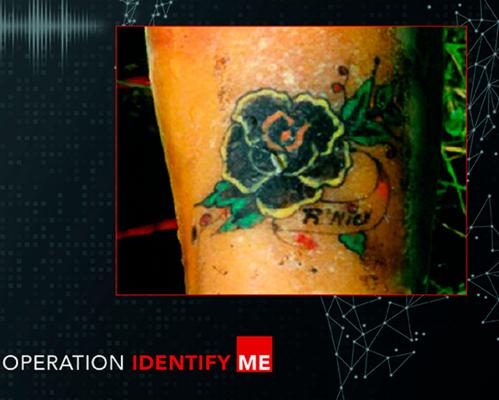
In a poignant effort to reconnect families with their lost loved ones, Interpol is tackling the harrowing issue of unidentified female murder victims in Europe. Notably, the case of Rita Roberts, whose body was found in Antwerp's Groot Schijn River in 1992, serves as a stark reminder of the silent tragedies affecting countless families.
Roberts' body was discovered floating near a water treatment plant, bearing only a tattoo of a black rose and initials on her left arm as clues to her identity. The Belgian police initially struggled to identify her, leading to a frustrating three-decade long investigation. It wasn't until 2023 that significant progress was made. Dutch authorities began collaborating with Belgian and German police, realizing that many cold cases involved unidentified women, likely foreign nationals who had fallen victim to violence or human trafficking. Originally reported by The Guardian.
Cross-Border Collaboration to Solve Cold Cases
This collaborative effort culminated in the launch of Operation Identify Me by Interpol, aimed at publicizing details of numerous unidentified female murder victims across Europe. Susan Hitchin from Interpol noted the importance of this initiative, citing the emotional weight it carries for families. The breakthrough came when Roberts' family in the UK recognized her distinctive tattoo from news reports related to the appeal. "It's one of those [messages] that sends a shiver down your spine, because you can see it's credible information," Hitchin said. "You sit up and take notice."
While the investigation into Roberts' murder remains unresolved, her family finally received closure about her fate after years of uncertainty. This case underscores the broader issue of unidentified deaths in Europe, where thousands of bodies are found each year without any means of identification. The ongoing crisis emphasizes the need for systematic data sharing among countries to ensure investigations can progress.
The Global Scale of Unidentified Deaths
The statistics surrounding unidentified women are alarming. Hitchin pointed out that the 47 cases currently on Interpol's radar represent just a fraction of the actual numbers. As femicide rates show no signs of decline, the urgency for countries to reopen cold cases is more pressing than ever. "When we hear from Rita Roberts' family what it means to people, knowing that someone's looking for their loved one, it brings back the frustrations about why more countries aren't participating," Hitchin lamented.
One particularly heartbreaking case is that of Angelique Hendrix, reported missing in 1990. It took 34 years for her remains to be identified after her skull was found near the Belgian border. Due to legal restrictions at the time, Belgium was unable to share DNA data with Interpol, leaving her family without answers. These incidents highlight the critical need for improved cooperation across borders, especially as more individuals move internationally.
Vulnerable Populations at Risk
Victims of unidentified deaths often include migrants and those socially isolated from their families. One such case currently under review is that of a young woman, referred to as FR01, whose remains were discovered in June 2021 in a Paris suburb. French authorities believe she was murdered but have no leads to identify her. The lack of missing persons reports complicates the investigation, and there's a sense of urgency to connect her with potential family or friends.
Raphaël Prieur, head of the Paris criminal investigation department, emphasized the importance of recognition in these cases. "Someone who has friends and family will inevitably be reported missing," he stated. Unfortunately, social exclusion and poor integration often leave these victims vulnerable. "We don't like to generalize, but these cases tend to be people who are socially excluded, poorly integrated, and who lived in isolation," he continued.
The Road Ahead for Families and Investigators
As Interpol continues its Operation Identify Me initiative, the hope is that more families will find answers. The emotional toll of not knowing what happened to a loved one can be devastating, and the agency aims to alleviate this burden through international collaboration and data sharing. Hitchin remains hopeful but recognizes the hurdles to overcome. "We can raise awareness and reach out through law enforcement channels, but ultimately it's down to the countries to have those policies in place," she stated.
The plight of unidentified women in Europe is not just a statistic; it's a human tragedy that needs urgent attention. As the operation unfolds, the focus remains on restoring identities and giving these forgotten victims their names back. The journey may be long, but every identified case brings hope and closure to families waiting for answers.
Originally reported by The Guardian. View original.