
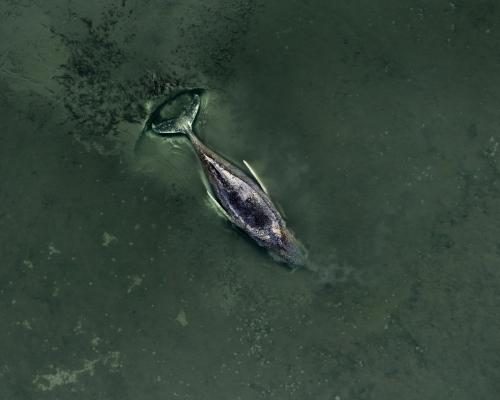
When a 10-metre long humpback whale became stranded on a sandbar in the Baltic Sea last month, it sparked an emotional and contentious drama that has gripped the nation. Following its initial sighting near Wismar and Timmendorfer Strand on the north German coast, the male whale has been repeatedly stranded and freed, but now it lies in a critical state, with rescuers declaring it beyond saving.
The saga began about a month ago when the whale, nicknamed Timmy by some locals, was first spotted. In a heart-wrenching turn of events, it has struggled to find its way back to deeper, saltier waters, leading to widespread public fascination and concern. This situation has not only affected the animal but also turned lives and livelihoods upside down, drawing in politicians, environmentalists, and even shamans from distant regions. Originally reported by The Guardian.
Public Outcry and Emotional Responses
As the whale's condition deteriorated, emotions ran high among the public and officials alike. Environment Minister Till Backhaus, during an emotional press conference, acknowledged the challenges faced in rescuing the whale, stating, "We have all been totally out of our depth." The operation has led to intense scrutiny, with some accusing local politicians and environmentalists of exacerbating the whale's plight, even labeling their efforts as animal cruelty.
The situation escalated to the point where experts involved in the rescue have faced death threats, and one leading humpback whale specialist has chosen to remain anonymous due to safety concerns. This hostility underscores the deep divides within the community regarding the appropriate response to the whale's predicament.
Failed Rescue Efforts and Expert Insights
Despite numerous attempts to save the whale, experts declared the operation over nearly two weeks ago. Backhaus, fighting back tears, revealed that the whale's health had severely declined, largely due to a fishing net ensnared in its jaw. This injury has weakened the animal and disrupted its ability to navigate the waters of the Baltic Sea, which are unsuitable for its survival due to low salinity and depth.
Experts highlighted that the whale's presence in the Baltic was a rare occurrence, likely lured by shoals of herring. As a result, the animal has sustained wounds and infections, leading scientists to conclude, "The patient is very sick." They have urged the public to allow nature to take its course, emphasizing that anthropomorphizing the creature is counterproductive.
The Whale's Final Days and Public Fascination
Currently, the whale is stranded in the Kirchsee, a small bay on the island of Poel. Local firefighters have been tirelessly spraying it with seawater in a bid to provide some comfort during its final hours. This tragic spectacle has captivated the country, with many flocking to social media to document the whale's plight. Suggestions for rescue have ranged from the practical to the bizarre, including ideas for using cranes or even creating a swimming pool around it.
The whale has become a focal point for discussions about wildlife conservation, with a German millionaire offering financial support for any viable rescue efforts. However, authorities have ruled out extreme measures like administering lethal injections or attaching explosive devices, which have been considered in other countries under dire circumstances.
A Call for Compassion and Reflection
The situation remains fluid as the local community grapples with the reality of the whale's condition. Backhaus has stated that authorities will accompany the whale "to the last," expressing a hope for what he termed an Easter miracle. Yet, the drama has raised significant questions about human intervention in nature and the responsibilities of society towards wildlife.
The whale's story has transcended its immediate tragedy, serving as a catalyst for broader dialogues about environmental stewardship and the moral implications of our actions. As the country watches, the fate of this humpback whale has become a powerful symbol, eliciting both compassion and controversy in equal measure.
Originally reported by The Guardian. View original.