
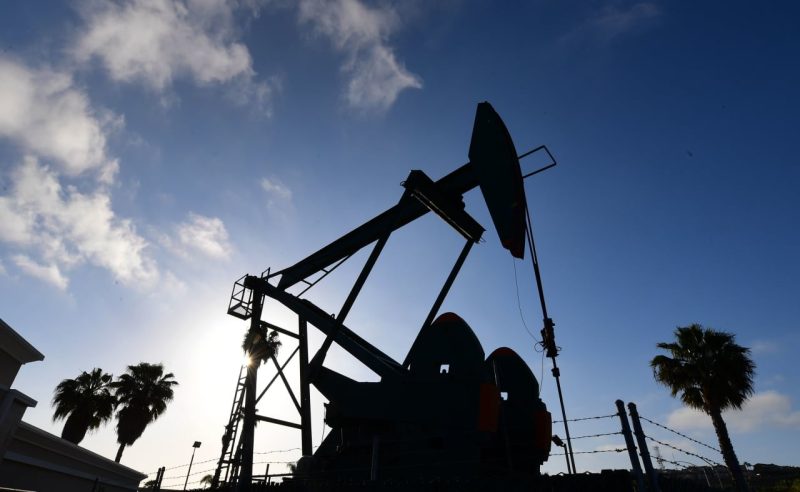
The recent escalation of conflict in Iran has sent shockwaves through the energy market, causing stocks like Exxon Mobil to rise significantly this week. As geopolitical tensions mount, energy stocks, which have been volatile over the past months, are experiencing a resurgence, with Exxon's shares climbing nearly 6% to close at $112.34. This uptick reflects broader market trends in response to potential disruptions in oil supply.
Market Reactions to Geopolitical Unrest
This week, tensions escalated in Iran following a series of military confrontations involving U.S. forces. The Iranian government has vowed retaliation against perceived aggressions, raising concerns over stability in a region crucial for global oil supply. Analysts noted that these developments have triggered a surge in energy prices, with West Texas Intermediate crude rising to $85.37 a barrel, marking an increase of approximately 5%. Learn more on Investopedia.
Investors are closely monitoring the situation, as any further escalation could lead to significant disruptions in oil production. "The market is reacting to the idea that any conflict in the Middle East could impact supply chains, thus driving prices up," said energy analyst Robert Collins. The fear of supply shortages often leads to a corresponding increase in energy stock prices, as companies like Exxon are poised to benefit from rising crude prices.
Exxon's Strategic Position in a Volatile Market
Exxon Mobil, one of the largest publicly traded oil companies, has been strategically positioned to take advantage of rising oil prices. The company's recent diversification efforts into renewable energy and technology have also helped to bolster investor confidence. As geopolitical tensions continue to rise, Exxon's stock performance reflects its resilience and adaptability to market fluctuations.
Exxon's share price increase has outpaced many of its competitors, showcasing its strong market presence. The company's focus on cost efficiency and production optimization has allowed it to maintain profitability even in turbulent times. "Exxon is not just riding the wave of increasing oil prices; they're also investing in the future of energy," commented market strategist Linda Park.
Broader Impacts on the Energy Sector
While Exxon leads the charge, other energy stocks are also witnessing gains. Companies like Chevron and ConocoPhillips have seen their stock prices rise by 4% and 5% respectively this week. The overall energy sector has benefited from the heightened demand for oil as uncertainties linger in the market.
Moreover, this surge in energy stocks is not just limited to traditional oil and gas companies. Renewable energy firms are also experiencing a rally, fueled by the growing interest in sustainable energy sources amidst the backdrop of geopolitical tensions. "Investors are looking for stability, and that's pushing them toward energy stocks across the board," noted investment advisor Karen Lewis.
Future Outlook on Energy Markets
The ongoing conflict in Iran raises several questions about the future of energy prices and stock performance. If tensions continue to escalate, experts predict that energy prices could rise further, potentially reaching new highs. "We could see oil prices topping $90 a barrel if the situation worsens," warned economist Derek Wilson. As a result, energy stocks may continue to attract investor interest as a hedge against inflation and market volatility.
However, market analysts also caution that oversupply issues could emerge if geopolitical tensions ease or if OPEC decides to increase production to stabilize prices. The upcoming OPEC meeting will be critical in determining the trajectory of oil prices in the coming weeks.
So, the intersection of geopolitical events and market dynamics is creating a complex landscape for energy stocks. With rising tensions in Iran, the energy sector, particularly companies like Exxon Mobil, is poised for further gains. Investors will be watching closely as the situation develops, assessing both the risks and opportunities presented by this volatile environment.
Originally reported by Barron. View original.