
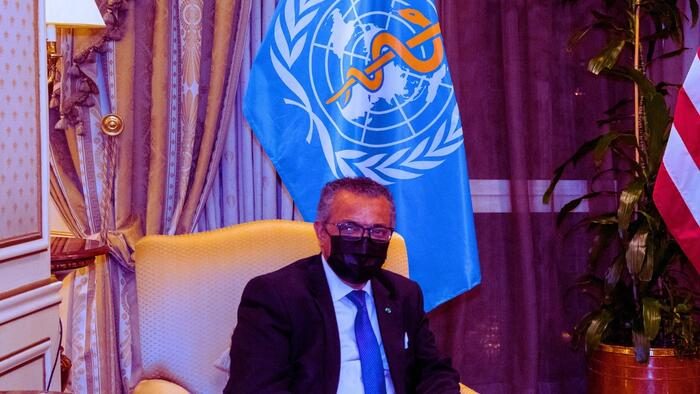
The World Health Organization (WHO) is set to convene an international online session on March 18, focusing on the Pandemic Influenza Preparedness (PIP) Framework. This session aims to establish guidelines for how countries and pharmaceutical companies will respond to future influenza pandemics. This initiative underscores the WHO's influential role in global pandemic management and preparedness strategies.
Pandemic Influenza Preparedness Framework
The PIP Framework, which was adopted by the Sixty-fourth World Health Assembly on May 24, 2011, serves as the international standard for managing the sharing of influenza virus samples and the allocation of vaccines, antiviral treatments, and diagnostic tools during pandemics. The framework emerged from negotiations that began in 2007 among member states of the WHO. According to a WHO press release, the upcoming session will clarify the responsibilities of various stakeholders in implementing the PIP Framework. Learn more on Investopedia.
WHO describes this framework as the first and only global access and benefit-sharing system for public health. Essentially, pharmaceutical manufacturers are granted access to vital virus samples in exchange for their commitment to develop pandemic countermeasures, including vaccines and antiviral drugs. This reciprocal arrangement is designed to ensure that health responses are swift and effective in the face of viral outbreaks.
U.S. Participation Amid Controversy
Despite former President Donald Trump's executive order earlier this year that aimed to withdraw the United States from the WHO, the country continues to participate in global pandemic surveillance networks. Institutions like Emory University, Ohio State University, and the Centers for Disease Control and Prevention (CDC) remain active in these international frameworks. The U.S. involvement includes being part of the CoViNet sentinel surveillance system, which currently encompasses 45 reference laboratories worldwide.
This ongoing participation raises questions about the effectiveness and governance of the WHO, particularly given the controversies surrounding the management of the COVID-19 pandemic. Critics point to the organization's reliance on unverified data, as seen during the initial response to COVID-19 when WHO accepted the digital SARS-CoV-2 genome from the Chinese government without independent verification. Such actions have led to a rapid mobilization of global resources that some argue lacked proper oversight.
Addressing Stakeholder Roles
The forthcoming session, organized through the WHO's Epidemics and Pandemics Information Network (EPI-WIN), will define the operational roles of governments, laboratories involved in the WHO's influenza surveillance network, and pharmaceutical manufacturers during a pandemic response. The WHO's ability to dictate these roles reflects its authoritative position in global health governance, a responsibility that has become increasingly scrutinized in light of the COVID-19 pandemic.
During the COVID-19 crisis, the speed with which the WHO directed the global scientific community significantly influenced the development of diagnostic tools and vaccines. However, the outcomes of these decisions have brought to light the potential consequences of relying on a centralized authority for health directives, particularly when the data and underlying science are not fully transparent or verified.
Implications for Future Health Responses
The WHO's control over pandemic responses raises critical questions about accountability and transparency in global health governance. With the COVID-19 pandemic resulting in millions of deaths and a myriad of vaccine-related adverse events reported, the implications of the PIP Framework will be closely scrutinized as the world prepares for future health crises.
As discussions unfold during this global session, the focus will be on refining the balance between rapid response and thorough verification of data. The potential for improved pandemic preparedness hinges on the ability of international bodies like the WHO to adapt to the lessons learned from past health emergencies. This ongoing evolution in pandemic policy will be essential for managing not just influenza, but any emerging infectious disease threats.
The upcoming WHO session represents a pivotal moment in shaping international health policy and responses to future pandemics. As global stakeholders gather to discuss the PIP Framework, the effectiveness of this initiative will be determined by its ability to ensure equitable access to medical resources and robust pandemic preparedness strategies.
Originally reported by Zerohedge. View original.