
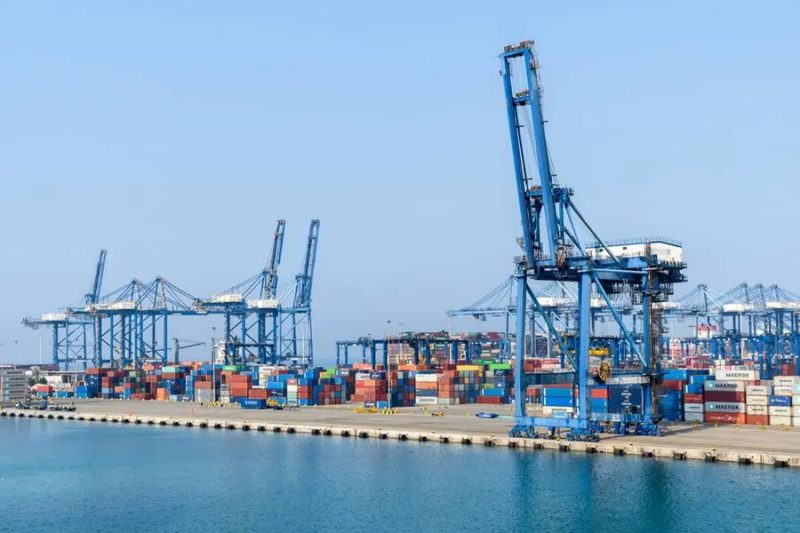
Saudi Arabia has reported a significant increase in its trade surplus, which soared to $5.86 billion in November 2025, reflecting a remarkable 70% annual growth. This surge highlights the Kingdom's strong economic performance amidst a global landscape marked by volatility and uncertainty.
Monthly Trade Balance Shows Consistent Growth
The latest figures reveal that Saudi Arabia's trade balance grew by 5.2% month-on-month, indicating a robust recovery and ongoing expansion of its trade activities. This upward trend is particularly noteworthy given the broader economic challenges faced by many nations around the world. The growth in the trade surplus underscores the resilience of the Saudi economy, which has been adapting to shifts in global demand and supply chains.
In November, the Kingdom's exports were a significant driver of this impressive trade surplus. The increase in export levels can be attributed to a rise in global oil prices, alongside an uptick in non-oil exports. The diversification strategies employed by the Saudi government are beginning to pay off, as evidenced by the increased demand for products outside the oil sector.
Moreover, the trade data suggest that the Kingdom is successfully navigating the complexities of international markets, further solidifying its position as a key player in global trade. The ongoing investments in infrastructure and technology are also likely contributing to the positive trade balance.
Oil Exports Fueling Surplus Growth
Oil exports remain the cornerstone of Saudi Arabia's economy, accounting for a significant portion of the country's revenue. In November, the price of crude oil saw an uptick, which has directly impacted export figures. Analysts note that the surge in oil prices has provided a much-needed boost to the Kingdom's fiscal situation.
Saudi Arabia's oil output has been strategically managed to align with global production cuts aimed at stabilizing prices, a move that has proven beneficial for the Kingdom's trade surplus. The Organization of the Petroleum Exporting Countries (OPEC) has played a vital role in these efforts, with Saudi Arabia often leading the charge for coordinated production adjustments.
In addition to crude oil, the Kingdom has been actively promoting its petrochemical products, which have also seen increased demand. This diversification within the energy sector is a crucial aspect of Saudi Arabia's Vision 2030 initiative, which aims to reduce the economy's reliance on oil and foster growth in other sectors.
Non-Oil Exports Gain Traction
The growth in non-oil exports signals a critical shift in Saudi Arabia's trade dynamics. As the government continues to push for economic diversification, sectors such as manufacturing, agriculture, and technology are beginning to show promising results. In November, non-oil exports contributed significantly to the overall trade balance, marking a milestone in the Kingdom's economic evolution.
Recent initiatives to enhance local production capabilities and encourage foreign investments have started to yield positive outcomes. The establishment of various economic zones and investment incentives is attracting businesses looking to capitalize on the Kingdom's strategic location and resources.
Furthermore, trade agreements with other nations have opened up new markets for Saudi products, allowing the Kingdom to expand its export footprint. This strategic direction not only enhances trade relations but also strengthens economic ties with key global partners.
Future Outlook: Sustaining Growth Amid Challenges
While the current trade surplus figures are promising, the Saudi economy must navigate potential challenges ahead. Global economic conditions, including fluctuations in oil prices and geopolitical uncertainties, could impact future trade balances. Nonetheless, analysts remain cautiously optimistic regarding the Kingdom's ability to sustain its growth trajectory.
Continued investments in infrastructure and technological advancements are expected to bolster the economy further. The government's commitment to Vision 2030 is likely to drive innovation and efficiency across various sectors, providing a solid foundation for future trade performance.
As Saudi Arabia positions itself as a leader in global trade, monitoring the evolving landscape will be crucial. The Kingdom's proactive measures to diversify its economy and enhance trade relationships will be pivotal in maintaining its impressive trade surplus in the months and years to come.