
West Virginia's 2026 budget is drawing significant attention as it features personal income tax cuts alongside increased investments in social safety nets. The budget, which was discussed during the House Finance Committee meeting, aims to address pressing concerns for many residents amidst ongoing economic challenges.
One of the most notable aspects of the budget is the proposed reduction in personal income taxes. This move is expected to provide financial relief to many West Virginians, reflecting an ongoing trend toward tax reform in the state. The plan aims to cut personal income tax rates by an average of 10%, which could translate to substantial savings for households across various income brackets. Learn more on Investopedia.
Funding Controversy Surrounding Hope Scholarship Program
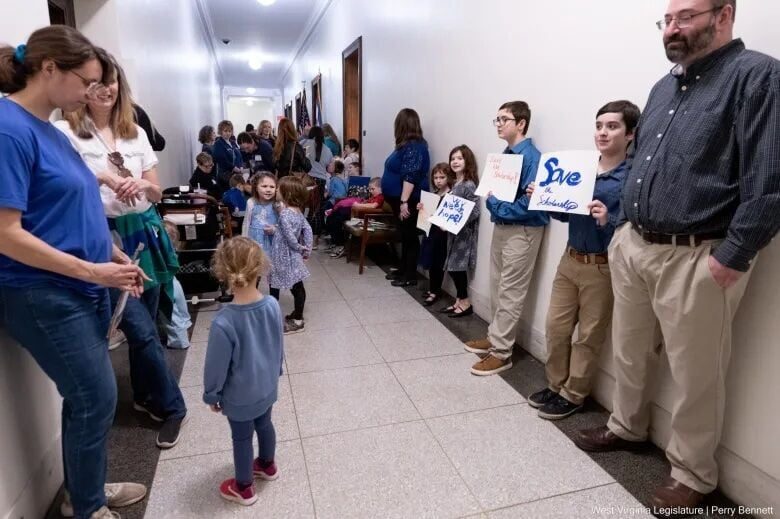
As discussions unfolded in Charleston, a passionate group of homeschooled children and their parents gathered outside the House Finance Committee room on February 20. They voiced strong opposition to proposed changes in funding for the Hope Scholarship program. This program, which provides financial assistance to families opting for homeschooling, has become a focal point for many advocates who believe it is essential for educational choice.
The proposed alterations to the funding structure have raised concerns among advocates. They argue that any reduction in funding could undermine the program, limiting options for families who have chosen to educate their children outside of traditional public schooling. The emotional testimonies from parents highlighted the perceived importance of maintaining adequate financial support for educational alternatives.
Social Safety Nets Receive Attention
In addition to tax cuts, the 2026 budget emphasizes the importance of social safety nets. It allocates significant funding for programs aimed at helping vulnerable populations, including the elderly, disabled, and low-income families. Notably, the budget proposes to increase funding for Medicaid, which plays a critical role in providing healthcare services to those in need.
The allocation for Medicaid is part of a broader strategy to enhance health security for West Virginia residents. Advocates for the vulnerable population welcome this initiative, arguing that it is vital to ensure that comprehensive health services remain accessible, especially for individuals facing economic hardship. This commitment to social safety nets reflects a balanced approach in the budget, aiming to address both immediate financial relief and long-term welfare for citizens.
Economic Impacts and Future Outlook
The proposed tax cuts and enhancements to social programs come at a time when West Virginia is grappling with economic uncertainties. As the state continues to recover from the impacts of the pandemic and other economic challenges, lawmakers believe these measures are necessary to stimulate growth and improve the quality of life for residents.
Experts note that while tax cuts can stimulate consumer spending and investment, they must be carefully balanced with the need for sustainable funding for essential services. The dual focus of the budget on tax relief and social programs demonstrates an understanding of the complex economic landscape that West Virginians face. As discussions continue, the budget's implementation will be closely monitored for its effectiveness in achieving these goals.
Moreover, the budget is likely to spark further debate among lawmakers, particularly regarding the sustainability of tax cuts in the long term. As the state navigates its fiscal future, the outcomes of these financial decisions will be crucial in shaping West Virginia's economic trajectory.
So, West Virginia's 2026 budget represents a significant step towards addressing the financial burdens of its residents while also investing in social safety nets. The proposed personal income tax cuts and enhancements to programs like Medicaid and the Hope Scholarship highlight a commitment to both immediate relief and long-term support for the community. As the legislative session progresses, the impact of these budgetary decisions will be a focal point for both lawmakers and residents alike.
Originally reported by Bluefield Daily Telegraph. View original.