
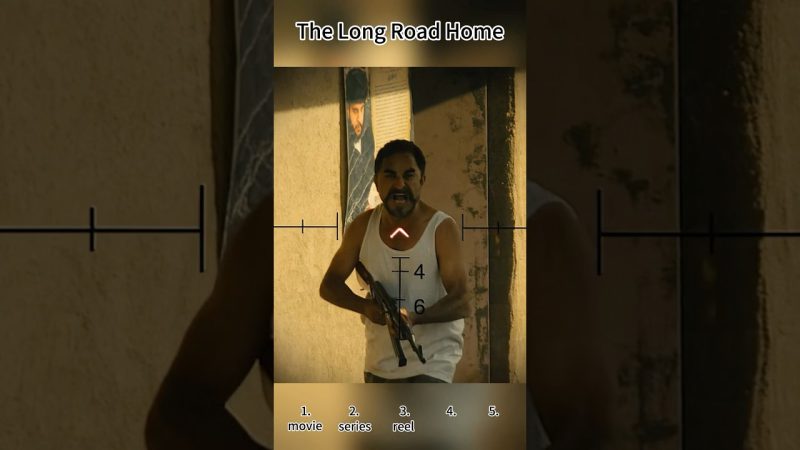
In a gripping scene from the 2017 series "The Long Road Home," viewers are thrust into the high-stakes world of military snipers and the split-second choices they must make under extreme pressure. The narrative centers on a sniper positioned precariously above a building, witnessing a horrifying turn of events that spirals out of control in moments.
A Tense Encounter Unfolds
The sniper, whose vantage point offers a clear view of the surroundings, suddenly sees a child emerge from a building, wielding an AK-47 and aiming directly at him. The sniper's heart sinks as he grapples with the reality of the situation. In that chilling moment, he silently pleads for the child to lower the weapon and run away. The unbearable tension builds, as the sniper knows that his response is not just a matter of instinct but a matter of life and death. Originally reported by 02 Nguyen.
When the child pulls the trigger, the sniper's training kicks in. He reacts instinctively, taking the shot to neutralize the immediate threat. The silence that follows is deafening, shattered only by the arrival of the child's father, who rushes out upon realizing what has happened. Overcome with rage, he grabs the AK-47, aiming it back at the sniper's position. Faced with yet another threat, the sniper is forced to fire again, all while grappling with the internal conflict that comes from taking a life.
The Cycle of Violence Intensifies
As if the situation couldn't get any worse, the child's grandfather appears next, witnessing the chaos. In an instant, he too raises a weapon, adding to the sniper's overwhelming burden of choices. The sniper finds himself caught in a devastating chain reaction, where every new silhouette represents another impossible decision. Each shot fired is a reminder of the escalating violence that spirals beyond his control.
With every pull of the trigger, the sniper feels the weight of his actions bearing down on him. He becomes increasingly aware of the profound implications of the decisions he is forced to make. Within moments, he realizes that he is not just ending a life; he is witnessing the collapse of an entire family line, three generations extinguished in a matter of minutes. The emotional toll of these events is palpable, leading to a breakdown that leaves him stunned and shaken.
The Emotional Fallout
This pivotal scene captures the essence of combat stress and the profound psychological impact of warfare. Snipers are often seen as detached figures, but "The Long Road Home" reveals the internal battles they face. The sniper's breakdown is a testament to the trauma that accompanies such harrowing choices. He grapples with the reality of his actions, understanding that he has not only taken lives but also disrupted the very fabric of a family.
The moment is a stark reminder of the emotional scars left on those who serve on the front lines. The sniper's experience is not just about physical survival but also about the haunting memories that will follow him long after the smoke clears. The series expertly portrays the tension between duty and morality, forcing viewers to confront the harsh realities of conflict.
Reflections on Warfare
The narrative in "The Long Road Home" serves as a powerful commentary on the consequences of warfare. Each character's actions ripple through the lives of others, illustrating the interconnectedness of human experiences, even in the most dire circumstances. The sniper's situation raises fundamental questions about choice and consequence, urging viewers to reflect on the broader implications of violence.
As the series unfolds, it becomes clear that the ramifications of these split-second decisions extend far beyond the battlefield. The emotional weight carried by the sniper and others like him highlights the necessity for understanding and compassion in discussions about war. These stories remind audiences that behind every statistic, there are real people with families, hopes, and dreams.
Ultimately, "The Long Road Home" does more than depict intense military action; it invites viewers to engage with the emotional realities faced by those in combat. As the sniper grapples with his choices and their aftermath, audiences are left to ponder the complexities of human nature in the face of violence and the enduring impact it leaves on everyone involved.
Originally reported by 02 Nguyen. View original.