
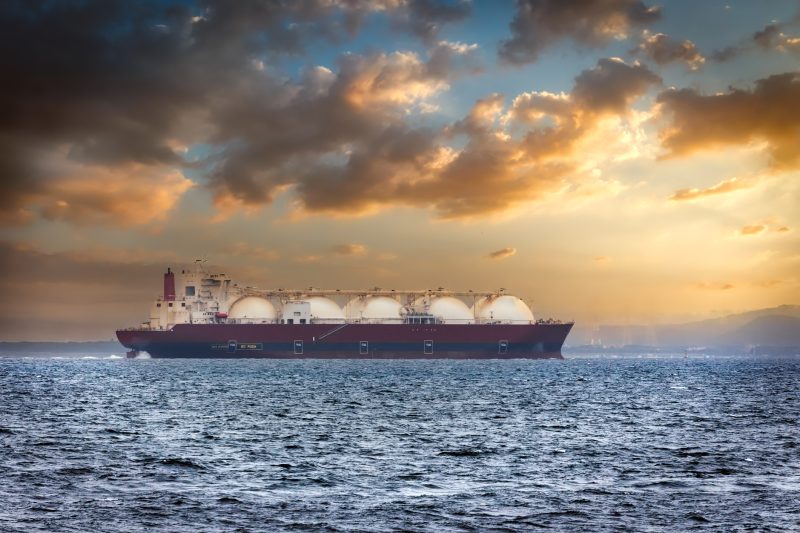
The ongoing conflict with Iran is poised to disrupt the global liquefied natural gas (LNG) market significantly, echoing the energy shocks of the 1970s. As tensions escalate, Qatar's energy infrastructure faces increasing threats, which could reshape market dynamics for years to come. Analysts are already eyeing specific LNG stocks that might benefit from this volatile situation.
Escalating Threats to Qatar's Energy Assets
In recent weeks, Iran's military actions have increasingly targeted Qatar's energy infrastructure, raising alarm bells in international markets. Located in the Gulf region, Qatar is one of the world's leading exporters of LNG. The country's robust export capabilities, particularly its North Field, contribute significantly to global supply, making any disruptions highly consequential. As tensions with Iran escalate, the risk to Qatar's facilities poses a serious threat not only to regional stability but also to global energy prices. Learn more on Investopedia.
The potential fallout from these attacks could mirror the energy crises of the 1970s, when oil prices skyrocketed due to geopolitical instability. In that era, the price of crude oil quadrupled, sending shockwaves through the global economy. Currently, LNG prices are already vulnerable, with market fluctuations reflecting the uncertainty surrounding Iranian military operations. As analysts speculate on the long-term implications, the energy sector braces for potential crises that could reshape market dynamics.
Long-Term Market Implications
The ramifications of Iran's actions could extend well beyond immediate price surges. Analysts are predicting a potential restructuring of the LNG market. If Iranian attacks continue unabated, Qatar's ability to maintain its export levels will be in jeopardy, leading to a supply crunch that could elevate prices dramatically. Currently, LNG prices hover around $10.50 per million British thermal units (MMBtu), but significant disruptions could send these prices soaring.
Market experts suggest that sustained high prices could lead to increased investments in alternative energy sources, as countries seek to diversify their energy portfolios. This could entail a renewed focus on renewable energies or even greater reliance on other fossil fuels, depending on geopolitical developments. However, the immediate focus remains on the LNG sector, where some companies are likely to emerge as key beneficiaries amid the turmoil.
Stocks Positioned for Growth Amidst Turmoil
Amid this evolving scenario, several LNG stocks are being closely monitored by investors. Companies with strong portfolios and strategic positioning in the market stand to gain from the heightened demand for LNG. Among them, Cheniere Energy, Inc. (LNG) is noteworthy. As one of the largest LNG exporters in the United States, Cheniere has the infrastructure and contracts in place to capitalize on increased demand.
Additionally, Shell (SHEL) is also in a favorable position. The integrated energy giant has a diversified energy portfolio and substantial global LNG operations. With the potential for disruptions in Qatari supplies, Shell's ability to tap into alternate sources and markets could enhance its profitability. Furthermore, TotalEnergies SE (TOT) is another contender. With strategic investments in LNG projects around the world, it is well-positioned to adapt to shifting market conditions and capitalize on elevated prices.
Geopolitical Uncertainty Fuels Market Volatility
Geopolitical tensions have a history of influencing energy markets profoundly. The current situation is no different, as uncertainty surrounding Iran's military strategy continues to fuel volatility. Investors are increasingly wary of potential disruptions, prompting them to reassess their positions in the energy sector. The war with Iran has already triggered a series of price jumps, with some analysts predicting that the market may experience shocks that surpass those seen in the 1970s oil crisis.
As the situation unfolds, energy analysts are urging stakeholders to remain vigilant. The interplay between geopolitical dynamics and energy supply remains crucial in determining future market trends. Furthermore, the potential for increased government intervention and policy changes in response to the crisis could add another layer of complexity to the market landscape.
So, the ongoing conflict with Iran poses significant risks to Qatar's energy infrastructure, which could lead to long-lasting impacts on the global LNG market. Investors should closely monitor key LNG stocks like Cheniere Energy, Shell, and TotalEnergies, as these companies may capitalize on the opportunities presented by this turbulent environment. The evolving geopolitical landscape will undoubtedly shape the future of the energy sector, and stakeholders must remain agile to navigate these complex waters.
Originally reported by Fool. View original.