
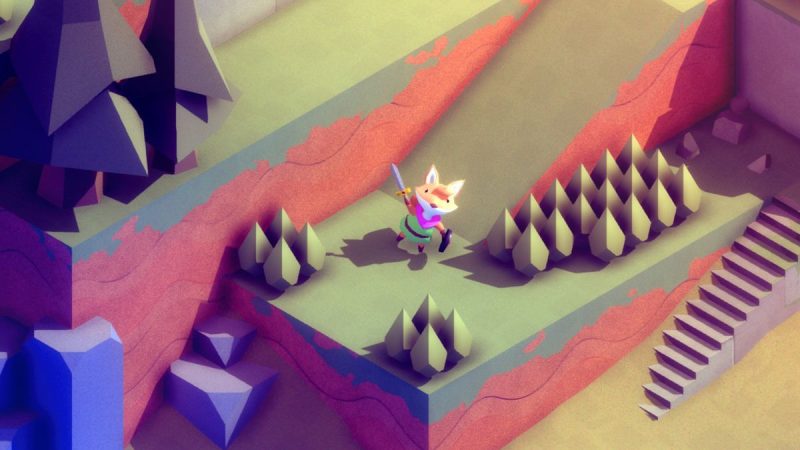
In a candid assessment of the current indie game landscape, Rebekah Saltsman, CEO of the indie developer and publisher Finji, has highlighted the precarious situation facing independent studios. Saltsman points out that the traditional funding of $250,000, once considered a modest request, is now viewed as a significant investment that larger publishers are hesitant to make. This shift reflects a broader trend in the industry where the focus has shifted to projects with potentially higher returns, leaving many mid-tier indie games struggling to secure the financial backing necessary for development.
Indie Games: From Thriving to Surviving
For the past several years, indie games have managed to weather various challenges, including the so-called "indiepocalypse" a decade ago and a wave of AAA developers seeking refuge in the indie space. However, Saltsman suggests that the current era is defined by survival rather than growth. "The era is survival, and we've been here for way longer than people want to think about," she stated in a recent interview. This ongoing struggle has been exacerbated since the COVID-19 pandemic, with Saltsman asserting that the mantra of 'just survive until' has been circulating for nearly five years, offering little hope for a turnaround. Learn more on Investopedia.
While major gaming companies have engaged in a cycle of acquisitions and layoffs, indie studios find themselves in a precarious position as they attempt to navigate a landscape that has become increasingly unforgiving. Saltsman emphasizes that funding requests which were once routine for indies are now being dismissed by publishers who are prioritizing larger projects that promise higher profit margins. The fundamental question remains: what happens to the indie studios that can only dream of hitting that multi-million dollar jackpot?
The Shift in Publisher Attitudes
Saltsman notes a critical change in how publishers assess potential investments in indie games. Historically, a quarter of a million dollars might have been considered a minor expense for larger companies, but this perception has shifted dramatically. "Historically, an indie asking for maybe a quarter of a million dollars is not a big deal. It's a big deal to the indie, but for a big company that's like a drop in the bucket to the kind of budgets they're usually operating in," she explained. Now, however, companies are increasingly reluctant to back projects that they deem "not profitable enough," focusing instead on chasing high-reward investments.
This new mentality creates a significant barrier for indie developers, many of whom are creating innovative and unique content that doesn't necessarily fit the mold of blockbuster titles. The unpredictability of success in the indie game market means that many projects, which could have substantial cultural or artistic impact, are left unfunded. In Saltsman's view, the industry is missing out on a wealth of potential projects due to this narrow focus on profitability.
Consequences for the Indie Game Landscape
The implications of this funding crisis are profound. Saltsman reflects on the projects that have been sidelined due to a lack of financial support, pondering what might have been if studios had access to even a modest investment of $100,000. "What didn't get made because nobody would give them $100,000?" she mused. "What could have changed the way we thought about games because that game was only ever going to make $500,000, which would change a developer's life?"
This situation underscores a critical gap in the indie game ecosystem, particularly in the mid-tier segment that has the potential to produce impactful titles that resonate with players. In an industry increasingly dominated by high-stakes investments, many of these games that could redefine genres or introduce innovative mechanics are left in limbo, unable to secure the funding they need.
A Call for Support in the Indie Scene
As indie developers continue to grapple with these challenges, Saltsman urges a re-evaluation of how funding decisions are made within the gaming industry. There's an urgent need for a balance between chasing high-revenue projects and nurturing the diverse creativity that defines the indie scene. Saltsman's insights reveal a critical moment for indie games; if they are to thrive, a collective effort is needed to embrace and invest in the potential of smaller titles.
Ultimately, the survival of indie games hinges on the willingness of publishers to support projects that may not yield immediate financial returns but possess the power to enrich the gaming landscape. As the industry evolves, it remains to be seen how these dynamics will shift and what new opportunities may arise for indie developers looking to make their mark.
Originally reported by Pc Gamer. View original.