
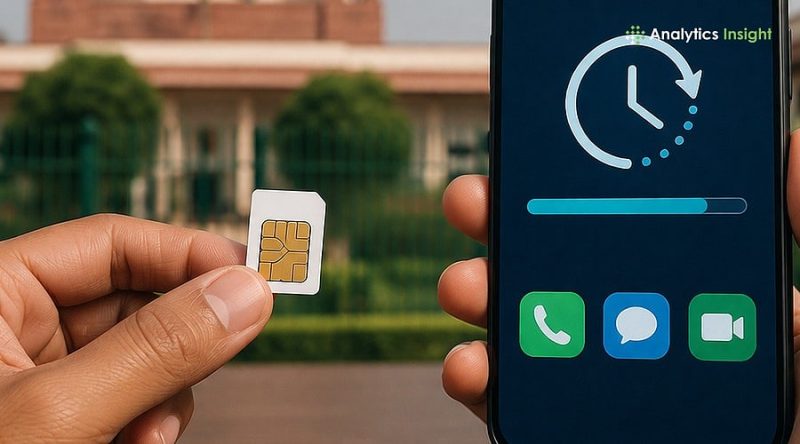
The Indian government is set to extend the timeline for enforcing the SIM-binding rule for popular messaging platforms, including WhatsApp, Signal, and Telegram. This decision comes in response to rising concerns over cyber fraud and financial scams facilitated through mobile devices. The new deadline aims to give technology companies additional time to navigate complex technical adjustments necessary for compliance.
Government's Cybersecurity Initiative
In light of increasing cybercrime incidents, the Central government has prioritized enhancing cybersecurity measures within the telecom sector. The SIM-binding regulation mandates that messaging services link user accounts to the mobile SIM card utilized during registration. The regulation aims to bolster accountability and traceability, thereby deterring fraudsters from exploiting messaging platforms for illegal activities. If a user changes, removes, or deactivates their SIM card, access to the messaging service will cease on that device. Learn more on Investopedia.
Officials noted that the surge in cyber incidents and financial fraud prompted the government to introduce the SIM-binding rule under a broader telecom cybersecurity framework. This framework focuses on three primary areas: preventing the misuse of messaging platforms for cybercrime, strengthening safety measures against financial fraud and impersonation scams, and improving alert systems to reduce the overall incidence of cyber fraud.
Challenges Faced by Technology Companies
While the regulatory measures aim to enhance user safety, technology companies have expressed concerns regarding the complexity of implementing SIM-binding across their platforms. They argue that significant technical changes are required to comply with the new rules. "Implementing SIM-binding across platforms involves complex technical changes," a representative from one of the technology firms stated. These changes include incorporating network SIM authentication processes, developing verification systems, and establishing device-level verification mechanisms.
The government, understanding these technical hurdles, has engaged in ongoing discussions with telecom authorities and technology companies to address the challenges posed by the SIM-binding requirement. Consequently, the extension of the compliance deadline is a strategic move that allows companies more time to adapt their systems without disrupting user services. A final decision on the new implementation timeline is still pending, with the government currently evaluating the input from various stakeholders.
Increasing Cyber Crime Rates
The urgency behind the SIM-binding rule is underscored by the alarming rise in cybercrime cases linked to messaging platforms. In recent years, there has been a noticeable increase in impersonation scams, fraudulent schemes, and financial extortions carried out via these services. According to government reports, many victims have reported significant financial losses due to these scams, highlighting the need for more stringent security measures.
The SIM-binding mechanism is designed to improve accountability and reduce the misuse of digital communication platforms. By ensuring that user accounts are tied to a specific mobile SIM card, authorities hope to create a more secure environment for online interactions. This move is particularly important given that many scams exploit the anonymity offered by messaging services.
Future Implications for Messaging Platforms
As the government deliberates on the revised compliance timeline, messaging platforms must prepare for a significant shift in how they operate. The emphasis on cybersecurity is likely to reshape user experiences, particularly in terms of privacy and convenience. While the need for enhanced security measures is widely acknowledged, there are concerns about potential drawbacks, such as reduced accessibility for users who change their SIM cards frequently.
Moreover, the government's focus on cyber safety reflects a broader global trend toward stricter regulations for technology companies. As nations grapple with the challenges posed by digital fraud, similar measures may be introduced elsewhere, prompting a reevaluation of how messaging services operate across borders. The extended deadline provides a crucial window for technology companies to align their operations with new regulatory requirements while ensuring user safety remains a top priority.
So, the Indian government's decision to extend the SIM-binding deadline illustrates a growing commitment to combat cyber fraud and enhance the security of digital communications. As technology firms work to implement the necessary changes, the outcome of this initiative could set a precedent for future regulations in the tech industry.
Originally reported by Analytics And Insight. View original.