
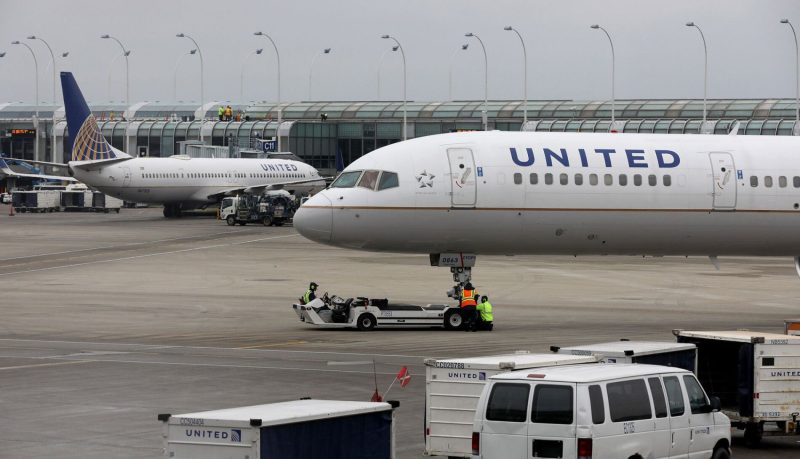
As geopolitical tensions escalate in the Middle East, travelers can expect a significant increase in airfare prices. Since the onset of war in Iran on February 28, the cost of jet fuel has surged, prompting airlines to prepare for a quick rise in ticket prices. Scott Kirby, CEO of United Airlines, expressed concern over the immediate impact of escalating fuel costs on airfares during an event in Boston last week.
Fuel Prices Surge Amid Middle Eastern Conflict
The ongoing conflict in Iran has sent shockwaves through the global oil market, leading to a sharp rise in jet fuel prices. Kirby noted that the situation could lead to ticket prices climbing as airlines adjust their pricing strategies to cope with higher operational costs. Fuel costs make up a substantial portion of an airline's expenses, and with crude oil prices fluctuating due to the conflict, the ripple effects are being felt across the industry. Learn more on Investopedia.
According to industry experts, airlines typically pass along fuel price increases to consumers relatively quickly. The current rise in fuel prices is particularly concerning given the timing; as summer approaches, travel demand is expected to peak. With many families planning vacations and business travel resuming, higher airfares could dampen travel plans for many.
United Airlines CEO Addresses Price Hike Concerns
During his address in Boston, Scott Kirby highlighted the potential for airfare increases, stating, "Travelers may see fuel prices impacting airfares quickly." This sentiment reflects a growing anxiety among airlines about the sustainability of current pricing structures in the face of rising operational costs.
Kirby's comments underscore a broader trend within the airline industry, where the impact of fluctuating fuel prices often dictates pricing strategies. As airlines grapple with the fallout from the conflict in Iran, they are expected to recalibrate their pricing models to maintain profitability while remaining competitive.
Moreover, Kirby mentioned that the rise in fuel costs has been exacerbated by the recent U.S. and Israeli military actions against Iran. Such geopolitical events tend to create uncertainty in the oil markets, further driving up prices. This volatility poses a significant challenge for airlines, which are still recovering from the financial toll of the pandemic.
Travelers Brace for Impact on Budgets
For travelers, the prospect of rising airfares is particularly disheartening. Many had hoped for a return to more affordable travel options as airlines emerged from the pandemic-induced slump. Unfortunately, the combination of increased demand and soaring fuel costs threatens to reverse that trend.
Experts suggest that consumers should prepare for a tough travel season ahead, with potential fare hikes impacting both domestic and international flights. The anticipated increases could range anywhere from a few percentage points to as much as 20% or more, depending on how long the conflict persists and its subsequent effects on fuel prices.
With summer travel on the horizon, families planning vacations may need to adjust their budgets accordingly. Some airlines may offer promotions or discounts to attract customers, but the overall trend points to higher costs for air travel.
Future Outlook for Airfare Prices
As the situation in the Middle East continues to evolve, the airline industry will be closely monitoring fuel price fluctuations and their impact on operational costs. Analysts predict that if the conflict escalates, the ramifications could lead to long-term shifts in airfare pricing patterns.
Airlines may also look to hedge against rising fuel prices through various financial instruments, but such measures often come with risks of their own. The complexity of global oil markets means that airlines must remain agile, adjusting their strategies in real-time based on market conditions.
Ultimately, travelers should stay informed about fare changes and consider booking flights sooner rather than later to lock in lower prices before potential hikes. With the looming threat of increased airfares, the travel landscape may look very different this summer compared to previous years.
Originally reported by The Brunswick News. View original.