
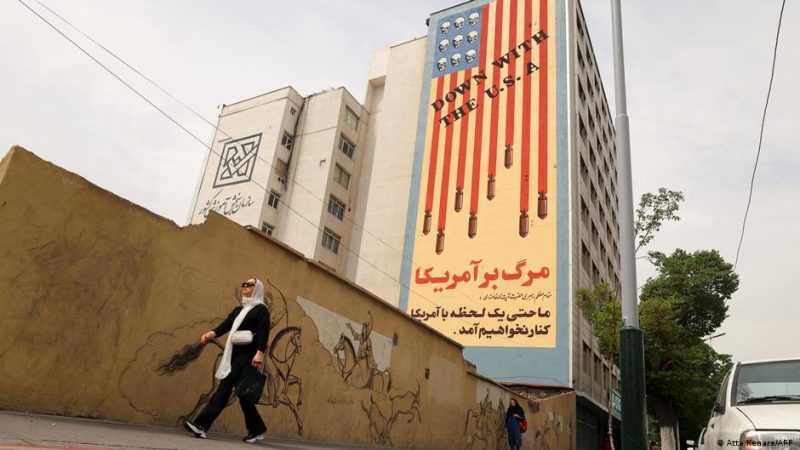
The recent nuclear negotiations between the United States and Iran in Geneva concluded without any significant progress, raising concerns over increasing tensions and the possibility of military action. After more than three hours of discussions at the Omani embassy, both sides left the meeting with little to show, signaling a complex impasse in the ongoing dialogue surrounding Iran's nuclear program.
Efforts to Bridge the Divide
Iran's Foreign Minister, Abbas Araghchi, participated in the second round of indirect talks, accompanied by a team of technical experts. They engaged with US Special Envoy Steve Witkoff and Jared Kushner, a senior advisor to former President Donald Trump. Despite the lack of tangible results, Araghchi expressed optimism, describing the discussions as "more constructive" than previous encounters. On Iranian state television, he remarked that some "guiding principles" were established, although he refrained from divulging specifics.
Araghchi emphasized that the path to a potential agreement has become clearer, although he cautioned that this does not guarantee a swift resolution. The negotiations, which began on February 6, have yet to produce a follow-up meeting, leaving the future of the dialogue uncertain. Before this latest round, Iran's Foreign Ministry indicated their willingness to remain in Geneva for as long as necessary to achieve results.
Key Issues: Uranium Enrichment and Sanctions
One of the central points of contention in the negotiations is Iran's uranium enrichment, which the US considers a "red line." Political analysts, like Mohammad Ghaedi from George Washington University, point out that the core conflict remains unresolved. Iran's insistence on continuing its enrichment activities is seen as vital for maintaining a nuclear deterrent, while the US remains firm on its stance against such actions.
Interestingly, Tehran has shown some willingness to compromise, indicating a potential agreement to limit its nuclear program and transfer its 60% enriched uranium to a third party. Such a concession would signify a significant shift in Tehran's approach, potentially requiring the US to accept Iran's continued enrichment as part of a broader deal. Nevertheless, the Iranian regime maintains that its nuclear ambitions are purely for civilian purposes, denying any intentions of developing nuclear weapons.
Despite these overtures, the International Atomic Energy Agency (IAEA) raised alarms in late 2024 about Iran's uranium enrichment nearing weapons-grade levels, far exceeding what would be necessary for civilian use. Tehran's demand to lift economic sanctions in exchange for limiting uranium enrichment continues to be a sticking point, with the US yet to show any willingness to acquiesce.
Stalemate and Military Implications
The current stalemate in negotiations is particularly alarming as experts warn that Iran may prefer to risk military conflict rather than completely abandon uranium enrichment. Ghaedi notes that the Iranian leadership is resolute in its refusal to negotiate on other contentious issues, such as missile programs or support for regional militant groups. This hardline stance complicates prospects for a diplomatic resolution.
As negotiations drag on without resolution, the prospect of military action becomes an increasingly serious concern. The US has made it clear that it views Iran's nuclear ambitions as a direct threat to regional and global security, intensifying the urgency for a diplomatic solution. US officials have not ruled out the possibility of using military force if they believe Iran is close to developing a nuclear weapon.
Future of US-Iran Relations
Looking ahead, the path to a resolution appears fraught with challenges. Iran's willingness to negotiate remains uncertain, particularly given its insistence on maintaining uranium enrichment capabilities. The geopolitical landscape is further complicated by Iran's broader regional activities and its support for various proxy groups.
Although optimism was expressed following the latest round of talks, the underlying issues seem deeply entrenched. Both sides will need to make significant concessions to move the negotiations forward. With the stakes so high, the international community watches closely, hoping for a breakthrough that could avert a potential crisis.
As the diplomatic clock ticks, the urgency for a resolution grows. The coming weeks will be critical in determining whether the US and Iran can find common ground or if they are destined for continued confrontation.