
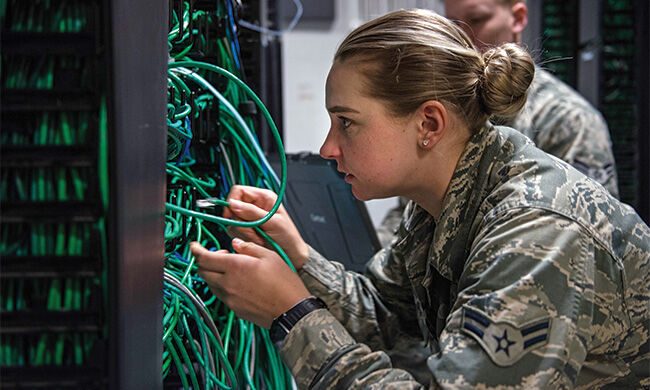
As the job market continues to evolve, businesses are increasingly recognizing the value that veterans bring to the workforce. With their unique skill sets, discipline, and leadership experience, veterans can play a crucial role in driving company success. A recent study by the U.S. Chamber of Commerce revealed that companies hiring veterans experience a 25% increase in productivity, further affirming the benefits of integrating these individuals into civilian roles. This comprehensive guide covers how hiring veterans can strengthen the workforce in detail.
Understanding How Hiring Veterans Can Strengthen The Workforce
Veterans possess a wealth of experience that makes them standout candidates for various industries. Having undergone rigorous training in high-pressure environments, they develop problem-solving abilities and resilience that many employers find invaluable. According to the U.S. Bureau of Labor Statistics, the unemployment rate for veterans was 3.7% in August 2023, compared to 3.5% for non-veterans. This highlights not only the need for employers to tap into this talent pool but also the effectiveness of veterans in securing employment. Learn more on Investopedia.
Organizations like the Hiring Our Heroes initiative, a program of the U.S. Chamber of Commerce, have been pivotal in connecting veterans with job opportunities. They provide resources, mentorship, and networking events designed to simplify the transition from military to civilian careers. The initiative has already placed over 60,000 veterans into jobs since its inception in 2011, showcasing the demand for their skill sets.
Support for Veteran Employment
Employers are increasingly implementing programs to support veteran hiring. Companies such as Amazon and Google have established dedicated veteran recruitment programs. Amazon has committed to hiring 25,000 veterans and military spouses by 2025, recognizing the extensive skill sets that these individuals bring. Google, on the other hand, has launched the Google Veterans Network, aimed at fostering a sense of community among veteran employees and providing them with a platform to share experiences.
Financial incentives are also available for businesses that employ veterans. The Work Opportunity Tax Credit (WOTC) offers tax breaks for hiring veterans, making it financially advantageous for companies to invest in this demographic. According to the IRS, employers can receive a tax credit of up to $9,600 per veteran hired, depending on their circumstances, further encouraging veteran employment.
The Transition Challenge
Despite the advantages, many veterans face challenges when transitioning to civilian jobs. The shift from military to civilian life can be daunting, as skills learned in the armed forces may not always translate directly to corporate job descriptions. Moreover, a lack of understanding among employers about the value veterans bring can hinder hiring efforts. This gap emphasizes the importance of education and outreach programs that can bridge the divide between military experience and civilian job requirements.
Organizations like the Veteran Jobs Mission have stepped in to tackle these issues. Founded in 2011, this coalition of companies aims to hire one million veterans by 2024. Their efforts focus on raising awareness and educating employers about the capabilities of veterans. By fostering a better understanding of veterans' skills, they are helping to increase the number of veterans in the workforce.
Long-Term Benefits of Hiring Veterans
The long-term benefits of integrating veterans into the workforce are significant. Companies that prioritize hiring veterans often cite higher retention rates and lower turnover. A study by the Institute for Veterans and Military Families found that veterans tend to stay in their jobs longer than non-veterans, which can lead to substantial savings in hiring and training costs for businesses.
Furthermore, veterans often bring a strong sense of teamwork and collaboration, cultivated through their military experience. This ability to work well in diverse teams can enhance workplace culture and ultimately lead to improved business outcomes. Employers are beginning to recognize that fostering an inclusive environment for veterans not only benefits the individuals but also enhances overall organizational performance.
With an increasing focus on diversity and inclusion, the push to hire veterans has never been more pertinent. As companies aim to build resilient and dynamic teams, the inclusion of veterans can serve as a powerful strategy to enhance their workforce.
By embracing the skills and experiences of veterans, businesses can strengthen their workforce while providing these individuals with the opportunities they deserve. The path forward is clear: integrating veterans into the civilian workforce is not just a matter of social responsibility, but a strategic advantage that can propel companies towards greater success.
Originally reported by Chippewa Herald. View original.