
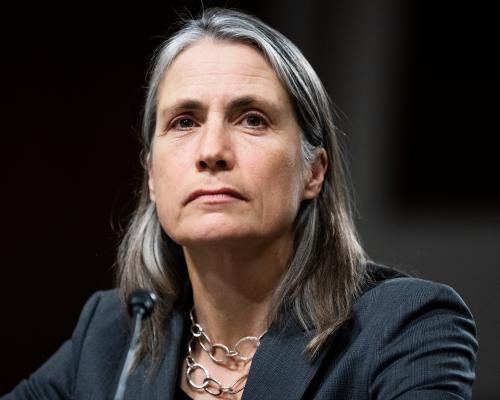
When it comes to britain becoming ‘soft target’ for russian propaganda, says security expert, britain is increasingly viewed as a "soft target" for Russian and other state-sponsored propaganda, according to Fiona Hill, a former White House adviser and renowned security expert. During a recent session with a parliamentary committee, Hill expressed deep concerns over the UK's preparedness to combat information warfare, particularly as it pertains to electoral integrity. She highlighted a critical lack of civil defense discussions, suggesting this negligence has left the nation "extraordinarily vulnerable" to online manipulation.
Understanding Britain Becoming ‘soft Target’ For Russian Propaganda, Says Security Expert
Hill's remarks came during a meeting of Parliament's joint committee on national security strategy, where she emphasized the need for a societal approach to understanding and combating disinformation. The expert pointed out that modern conflicts are fought with a multitude of tactics, including propaganda, positioning the UK at a disadvantage without adequate public awareness and education on the matter. She stated, "I think part of the problem is also on the societal level: that the UK increasingly looks like a soft target rather than a hard target." This admission reflects a growing concern about the potential for misinformation to disrupt the electoral process. Originally reported by The Guardian.
In a comparative analysis, Hill referenced Sweden's proactive stance on psychological defense against disinformation, a concept that has evolved since the Cold War. In 2022, Sweden established a psychological defense agency aimed at educating the public on recognizing and combating online disinformation. This agency has previously confronted false narratives, such as the unfounded claims that Swedish authorities were kidnapping Muslim children, which gained traction within immigrant communities. Such historical context underscores the potential dangers of unchecked propaganda and the necessity of public vigilance.
The Need for Public Engagement
Joining Hill at the committee was George Robertson, a former NATO Secretary General who co-authored the recent Strategic Defence Review. He echoed her concerns about the urgency of engaging the British public in discussions surrounding national security threats posed by adversaries like Russia, China, and Iran. Robertson articulated a pressing need to share information about these threats widely, especially after Prime Minister Keir Starmer recently warned about the possibility of a Russian attack on NATO in the near future, potentially by the end of the decade.
Despite the apparent urgency, Robertson criticized the government for its slow response in initiating public communication about these threats. He remarked, "You would have thought that it would have been a matter of some urgency," while also noting that attempts to remind the Prime Minister of the need for greater outreach have not yet borne fruit. The former NATO chief underscored that national defense should not be viewed solely as the responsibility of the armed forces, but rather as a collective effort involving all citizens.
Learning from Historical Precedents
Reflecting on past instances of public education regarding security risks, Hill cited the efforts made during the Troubles in Northern Ireland. There was a successful initiative aimed at informing the public about the dangers posed by unattended bags, which could potentially contain explosives. Hill lamented the lack of similar initiatives in today's context, arguing that the fear of causing public panic has stifled the necessary conversations. She stated, "I think there's too much of a worry that people are going to panic at this particular point, but you haven't even tried to test the proposition of actually talking to people directly." This sentiment highlights the importance of fostering an informed citizenry capable of recognizing and responding to disinformation.
Building Societal Resilience
The discussions at the parliamentary committee reflect a broader recognition of the need to fortify Britain's defenses against both physical and informational threats. Experts like Hill and Robertson are advocating for an "all of country approach," urging that civil defense education is not just a governmental responsibility but a societal necessity. Without a concerted effort to engage and educate the public, the risks posed by disinformation campaigns could become increasingly pronounced.
As the digital landscape continues to evolve, the imperative for the UK to adapt its strategies for handling misinformation becomes ever more critical. The call for greater public awareness and engagement in national security discussions resonates deeply in light of the geopolitical tensions that define the current era. Only through proactive measures can Britain hope to reclaim its status as a resilient society capable of withstanding the onslaught of information warfare.
Originally reported by The Guardian. View original.