
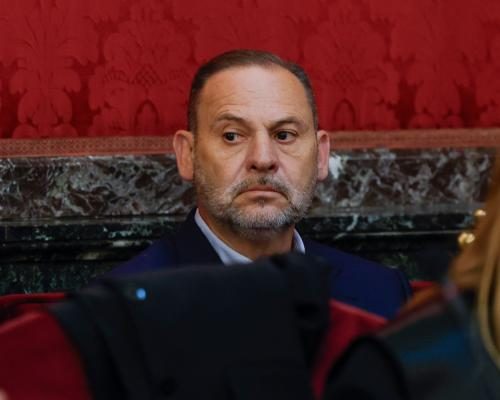
Easter has arrived with little to celebrate for Spain's two dominant political parties, the ruling Spanish Socialist Workers' Party (PSOE) and the conservative People's Party (PP). Both are facing the fallout of high-profile corruption trials involving former senior officials from each party, casting doubts on their claims of zero tolerance for corrupt practices. As voters in Andalucía gear up for regional elections next month, and a general election looms next year, the timing of these trials couldn't be more critical.
PSOE Faces Serious Allegations in 'Caso Koldo'
The PSOE is particularly on edge as the trial known as "Caso Koldo" or "Caso Mascarillas," began this week in Madrid. This case involves former transport minister José Luis Ábalos, his aide Koldo García, and businessman Víctor de Aldama. They are accused of taking kickbacks on public contracts for sanitary equipment during the COVID-19 pandemic. Both Ábalos and García, who deny the charges, face severe penalties-24 years and 19 years in prison, respectively-while Aldama, who has confessed to his role, could receive a seven-year sentence. Originally reported by The Guardian.
Prime Minister Pedro Sánchez, who has been closely watching the proceedings, has distanced himself from the allegations, asserting that he has not been implicated. However, his family has not escaped scrutiny. His wife, Begoña Gómez, is awaiting trial for allegedly using her influence as the prime minister's spouse to secure sponsorships for a university course, while Sánchez's brother, David, is set to face trial next month for claims of receiving a custom job from a socialist-led council in 2017. Both family members have denied wrongdoing, but the implications of such accusations could tarnish Sánchez's reputation.
People's Party Under Investigation for Spying Scandal
Meanwhile, the opposition PP is grappling with its own set of legal troubles. Jorge Fernández Díaz, the former interior minister under Mariano Rajoy, is currently on trial for allegedly orchestrating a spying operation against Luis Bárcenas, a former treasurer of the PP. Bárcenas threatened to expose corruption within the party, leading to accusations that Fernández Díaz and other officials engaged in illegal surveillance to suppress information regarding the PP's illicit financing.
Fernández Díaz is facing serious charges, including embezzlement and privacy violations, which could result in a 15-year prison sentence if he's convicted. Bárcenas, a key player in the PP's financial scandals, has claimed that such a spying operation could not have occurred without the knowledge of top party officials. He had already been sentenced to 33 years in prison for fraud and money laundering, highlighting the gravity of the corruption allegations that have dogged the party.
Political Implications as Elections Approach
The timing of these trials is critical, occurring just as Andalucía prepares for regional elections in May, followed by a general election next year. The PSOE, which rose to power partly by capitalizing on the corruption scandals that plagued the PP, now faces the challenge of overcoming its own legal troubles. Sánchez's administration has been plagued by various scandals, and any suggestion of corruption could be detrimental to the party's electoral prospects.
On the other hand, while the PP has sought to leverage these developments to undermine Sánchez's credibility, it finds itself mired in its own controversies, limiting its ability to effectively attack the ruling party. The party's past corruption issues, including the infamous Gürtel case, continue to haunt its image, and the current trials may serve to remind voters of the PP's troubled history.
Public Sentiment and Moving Forward
Public sentiment regarding corruption in politics remains a potent issue in Spain. Sánchez ascended to the premiership in 2018 partly due to widespread public anger over the PP's involvement in corruption scandals. As the trials unfold, both parties are aware that the outcomes could significantly influence voter perceptions ahead of the upcoming elections.
As both the PSOE and PP navigate these turbulent waters, the potential for damage to their reputations is significant. The notion of corruption, once a tool for political maneuvering, may now threaten the very foundations of their electoral viability. With the electorate's trust at stake, the coming weeks will be critical for both parties as they attempt to emerge from this shadow of corruption.
Originally reported by The Guardian. View original.