
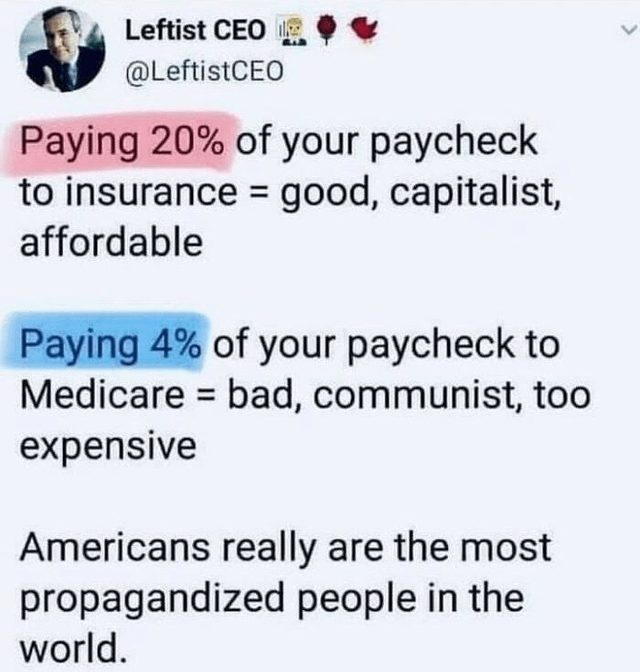
As the debate over healthcare intensifies, a growing narrative suggests that wealthy individuals have shaped the belief among many Americans that the United States boasts the "Best Healthcare in the World." This perception, however, is increasingly scrutinized as healthcare costs soar and outcomes lag behind those in other developed nations.
Healthcare Costs: A Staggering Reality
Americans spend an astonishing amount on healthcare, with the National Health Expenditure Accounts reporting a staggering $3.8 trillion in 2019 alone. This figure translates to approximately $11,582 for each person in the United States. Despite these exorbitant costs, a significant portion of the population remains uninsured or underinsured, raising questions about the accessibility of quality healthcare services. Originally reported by r/remoteworks.
In contrast, countries such as Canada and the United Kingdom spend considerably less per capita, yet consistently rank higher in health outcomes. According to the OECD, Canada spent around $4,500 per person on healthcare in 2019. Yet, Canadians enjoy universal coverage, ensuring that access to medical services is not dependent on one's financial situation.
This stark contrast in spending further complicates the narrative of American healthcare superiority. As more people struggle with rising premiums and out-of-pocket costs-averaging $1,400 for employer-sponsored plans in 2021-many are beginning to question the value they receive from such high expenditures.
The Billionaire Narrative: Who's Behind It?
Wealthy individuals, particularly those involved in the healthcare sector, have a vested interest in promoting the idea that American healthcare is the best in the world. Figures like Peter Thiel and Jeff Bezos have invested heavily in health startups and technology aimed at transforming the industry. Their influence extends beyond mere financial contributions; they often shape public discourse around healthcare innovation and efficiency.
However, critics argue that this narrative serves to distract from systemic issues within the healthcare system. By framing the conversation around innovation, proponents overlook fundamental problems such as income inequality and access disparities. A report from the Commonwealth Fund highlights that 41% of Americans reported skipping necessary care due to costs in 2021, a stark indicator of an unhealthy system.
Moreover, the lobbying efforts of pharmaceutical companies and private insurers, which spend billions annually to influence policy, often perpetuate the belief that the American model is superior. This creates a narrative that minimizes the achievements of single-payer systems in other countries that prioritize patient care over profit.
Public Perception: A Misleading Consensus?
Surveys reveal a complex picture of American attitudes toward healthcare. A 2022 Gallup poll found that while 55% of Americans believe their healthcare system is the best, a majority also express dissatisfaction with the costs and accessibility of services. This duality suggests that many may be swayed by the narrative pushed by billionaires and media outlets that emphasize innovation over genuine patient outcomes.
Furthermore, the perception of quality is often skewed by personal experiences. Those with good insurance or access to top-tier healthcare facilities may view the system favorably, while others face a vastly different reality. The Kaiser Family Foundation reported that nearly 30% of U.S. adults have delayed care due to cost, which starkly contrasts the narrative of superior care for all.
Health outcomes also tell a different story. The U.S. ranks 37th in the World Health Organization's assessment of healthcare systems, falling behind nations like France and Singapore. This data contradicts the notion that high spending correlates with the best outcomes, highlighting the significant gaps in care accessibility and quality.
Looking Ahead: The Call for Reform
The ongoing debate over healthcare in America poses critical questions about the future of the system. As more individuals and advocacy groups push for reform, the influence of billionaires may be challenged by grassroots movements demanding universal healthcare. The discourse is shifting towards a focus on equitable access and quality of care rather than merely celebrating high expenditures.
With the 2024 elections on the horizon, healthcare is expected to be a key issue. Candidates will need to address the complexities of the system and the narratives shaped by the wealthy, as voters increasingly seek transparency and accountability in healthcare policies. The dialogue around healthcare in America must evolve to reflect the realities faced by millions, moving beyond the superficial claims of being the best.
Ultimately, the challenge lies in dismantling the misconceptions and developing a healthcare system that prioritizes the needs of all citizens, rather than perpetuating the myths propagated by a select few.
Originally reported by r/remoteworks. View original.