
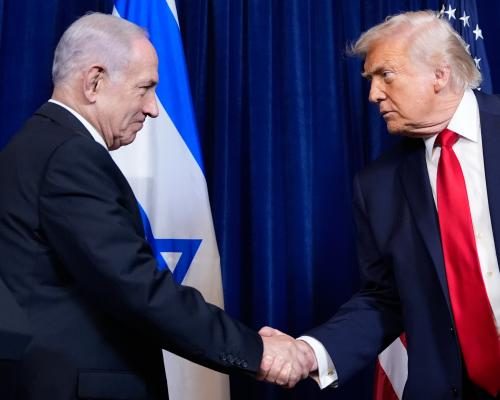
Israeli Prime Minister Benjamin Netanyahu recently broke a lengthy silence regarding the ongoing conflict with Iran, asserting via a video commentary that he maintains "full coordination" with U.S. President Donald Trump. He claimed they converse "almost daily." However, this statement comes in the wake of increasing reports suggesting that Israel has been sidelined in discussions about Iran and peace talks brokered by Pakistan. Observers have expressed skepticism about Netanyahu's claims, hinting that the reality of U.S.-Israeli relations may be worse than he suggests.
Growing Doubts Amidst Assurances
The Israeli leader's insistence on the strength of the U.S.-Israel alliance follows weeks of speculation in the Israeli media that the country is no longer being consulted on key issues related to Iran. Political consultant Dahlia Scheindlin commented, "He is doing so much talking about how great the relationship is that it makes me rather concerned about how much tension there is." This skepticism reflects broader doubts about Netanyahu's reliability, especially considering the current state of the conflict. Originally reported by The Guardian.
Netanyahu has Historically sought to align closely with U.S. presidents, often advocating for military action against Iran. His relationship with Trump has been characterized by a mutual embrace of populist politics, with both leaders taking steps to undermine traditional political norms. The recent military engagement in Iran has bound their fates together tightly, complicating any potential future disentanglements.
Escalating Tensions Following U.S.-Israeli Assault
Since a significant military operation against Iran on February 28, the dynamics between Netanyahu and Trump appear increasingly strained. This assault marked a turning point, as both leaders had long sought military action against Iran. Netanyahu's efforts to persuade various U.S. presidents to join Israel in a war against Iran culminated in his successful lobbying of Trump to exit the Iran nuclear deal in 2018, a pivotal move that intensified tensions in the region.
Reports indicate that Netanyahu was instrumental in convincing Trump that a military response to Iran was not only necessary but would be quickly successful. Alon Pinkas, a former Israeli diplomat, recalled Netanyahu's persuasion tactics, saying, "He told Trump: 'Look what you did in Venezuela. It was painless. It was effortless. It was beautiful. You changed the regime.'" This rhetoric, combined with intelligence data from the Mossad, painted Iran as vulnerable and destabilized, which Netanyahu used to advocate for military action.
Reality Bites: War's Unforeseen Consequences
As the conflict escalated, the anticipated outcomes did not materialize as both Netanyahu and Trump had hoped. After about a month of fighting, signs emerged that Trump was dissatisfied with Netanyahu's strategies. Reports suggest that Trump began to distance himself from public mentions of Israel, particularly as U.S. negotiators engaged in talks with Iranian representatives, leaving Israel out of the discussions.
This shift in focus has led to frustration among Israeli officials, who expressed concern that they had to resort to their own intelligence operations to stay informed about diplomatic developments. While the specifics of peace talks remain unclear, reports indicate that critical Israeli priorities, such as Iran's missile capabilities and its regional proxies, are not being addressed. The sidelining of Israel raises concerns about the future of U.S.-Israeli relations and the effectiveness of their alliance.
Future of the Alliance in Question
The growing tensions between Netanyahu and Trump highlight the precarious nature of their alliance. As both leaders face increasing scrutiny at home, the implications of their military decisions continue to unfold. Netanyahu's long-standing efforts to gain U.S. support for a hardline stance against Iran seem to have backfired, leading to a conflict that has not only failed to achieve its objectives but also complicated diplomatic relations.
As the situation evolves, the future of U.S.-Israeli cooperation remains uncertain. Netanyahu's public reassurances may be an attempt to stabilize a relationship that is showing signs of strain. Observers continue to monitor the developments closely, recognizing that both leaders must navigate a complex political landscape that could redefine their alliance.
Originally reported by The Guardian. View original.