
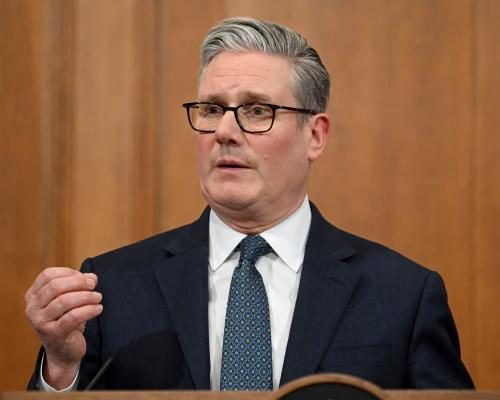
As oil prices surpassed $100 a barrel for the first time since 2022, UK Prime Minister Keir Starmer is making efforts to reassure the public regarding the rising cost of living. This surge in oil prices comes in the wake of escalating geopolitical tensions, particularly the ongoing conflict involving Iran. Starmer, who is slated to visit a community center in London, has expressed his commitment to addressing the economic concerns of British citizens.
Starmer stated, "No matter the headwinds, supporting working people and their families with the cost of living is always top of my mind." He is acutely aware that households are anxious about how the situation will affect their daily lives, including their bills and job security. The Prime Minister emphasized that he aims to confront these worries directly and will prioritize the well-being of the British public in his response. Originally reported by The Guardian.
G7 Finance Ministers to Discuss Emergency Oil Reserves
In response to the rising oil prices, G7 finance ministers are convening for an emergency meeting at 8:30 AM New York time to deliberate the potential release of emergency oil reserves. The meeting is expected to address the repercussions of the Iran conflict and its impact on global oil supply. According to reports from the Financial Times, three G7 countries, including the United States, have signaled support for the coordinated release of oil reserves held by the International Energy Agency (IEA).
The IEA maintains strategic petroleum reserves as a safeguard against oil price crises, and U.S. officials are considering a joint release of between 300 million to 400 million barrels. This release would represent approximately 25% to 35% of the total 1.2 billion barrels in reserve. The UK's market is already feeling the strain, with the month-ahead gas price soaring by 19% to 163 pence per therm early on Monday. Meanwhile, the continental European month-ahead benchmark has increased by 16% to €62 per megawatt hour.
Market Reactions to Middle Eastern Tensions
The escalating tensions in the Middle East have sent shockwaves through global financial markets. Oil prices have risen sharply, with Brent crude reaching its highest level in four years. This surge in crude prices has contributed to a broader sell-off in stock markets across Asia, the UK, and mainland Europe. Investors are increasingly concerned about a potential supply crunch, particularly if the conflict leads to disruptions in oil transport through the Strait of Hormuz, a critical passage for around 20% of the world's liquid natural gas.
The rising costs at petrol stations are likely to have a cascading effect on consumer prices, further exacerbating inflationary pressures. As energy costs climb, households may face increased financial strain, particularly those already grappling with a cost of living crisis. The economic ramifications of these geopolitical events have made it imperative for leaders like Starmer to take decisive action to protect working families.
Pressure Mounts for Support Packages
As concerns over rising energy prices mount, Starmer faces pressure from both unions and his backbenchers to devise a support package to assist those impacted by the ongoing crisis. While many UK households are currently shielded from the immediate effects of soaring energy prices due to the existing energy price cap, the long-term outlook remains uncertain. The reliance on gas supplies from the Middle East makes the UK particularly vulnerable to geopolitical tensions affecting energy transport.
Starmer's government has to navigate a complex landscape where the interplay of international relations and domestic economics could lead to significant challenges. As the chancellor, Rachel Reeves, prepares to join the G7 finance ministers' meeting, the focus will be on devising collective strategies to mitigate the adverse impacts of oil price surges on the UK economy.
Overall, the situation underscores the need for robust policy responses to ensure that the British public is well-protected in the face of rising costs and economic uncertainty. With the conflict in the Middle East showing no signs of abating, the potential for further disruptions looms large, necessitating proactive measures from the government.
Originally reported by The Guardian. View original.