
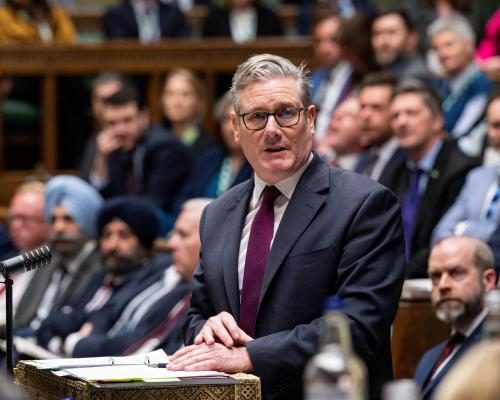
Labour Prime Minister Keir Starmer is responding to significant dissent within his party regarding proposed changes to the UK's immigration system. Following a backlash from Labour MPs, including a notable intervention from former deputy Angela Rayner, Starmer is exploring ways to mitigate the impact of these changes, which would impose stricter criteria for migrants seeking settled status. Currently, most individuals would be required to wait 10 years to qualify for settled status, a steep increase from the existing five-year period.
Proposed Exemptions Under Review
Starmer is contemplating exemptions to the new immigration rules that could benefit various groups, particularly those working in the public sector and individuals nearing settled status. However, Downing Street clarified that these exemptions would not apply to all individuals already residing in the UK, despite demands from Rayner and other Labour MPs for broader coverage. A spokesperson for the Prime Minister stated, "In the manifesto, we promised to deliver a fair and properly managed immigration system," emphasizing that the government is carefully reviewing responses to the Home Office consultation. Originally reported by The Guardian.
The proposed immigration changes, announced earlier this month by Home Secretary Shabana Mahmood, aim to limit the number of immigrants entering the country. Among the suggested measures is a shift towards temporary refugee status rather than permanent, alongside a doubling of the qualification period for indefinite leave to remain from five to ten years. The government has also introduced a controversial pilot scheme, whereby families whose asylum claims are denied may receive up to £40,000 to leave the country voluntarily. Should they refuse, the government has indicated that forced removal would be a possibility, a move that has drawn sharp criticism.
Internal Party Dissent and Concerns
The announcement of these harsher immigration policies has sparked outrage among Labour MPs. A group of 100 MPs signed a letter opposing the measures, arguing that forcibly removing refugees who have lived in the UK lawfully for years undermines public confidence in the asylum system. Sarah Owen, a member of the centre-left Tribune group, likened the government's stance on family removals to the controversial practices of Donald Trump's Immigration and Customs Enforcement (ICE).
During a speech addressing the Mainstream campaign group, Rayner voiced her concerns about the changes, stating, "We cannot talk about earning a settlement if we keep moving the goalposts. Because moving the goalposts undermines our sense of fair play. It's un-British." This sentiment reflects a broader frustration within the party regarding the tone and direction of the immigration policy.
Government's Justification and Future Considerations
Despite the backlash, Downing Street has defended the proposed changes as fair. However, discussions among ministers are ongoing regarding the specifics of the proposed exemptions. For instance, individuals earning over £125,140 for three years might qualify for settled status in just three years, while public sector workers could achieve the same in five years. Yet, those who have received benefits for less than a year may have to wait 15 years, and those on benefits for over a year could face a 20-year wait.
Starmer recently held a meeting with black and minority ethnic members of the parliamentary Labour Party to address the rising anger surrounding the indefinite leave to remain policy. Attendees, including Justice Secretary David Lammy, expressed concerns that senior leaders might not fully grasp the sensitivity of the issue, which affects many party members personally. One MP remarked, "There's a sense the centre just isn't hearing us, not even on the tone or framing," highlighting a disconnect between party leadership and grassroots sentiments.
As the Labour Party grapples with internal dissent over immigration policy, the government's approach appears increasingly precarious. With the next general election on the horizon, how Starmer navigates this contentious issue will be pivotal not only for party unity but also for Labour's broader electoral prospects.
Originally reported by The Guardian. View original.