
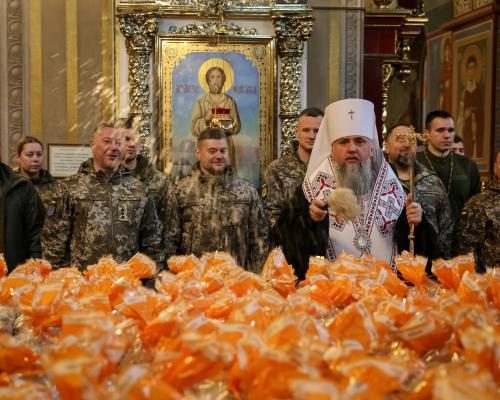
As Orthodox Easter approaches, Ukrainians express skepticism over Russia's recent pledge to observe a ceasefire during the holiday weekend. The Kremlin announced a temporary truce, set to last from Saturday afternoon until the end of Easter Sunday-a total of 32 hours. This announcement comes amid ongoing hostilities in the region, raising doubts about the sincerity of Moscow's commitment to peace.
Ceasefire Proposal and Ukrainian Response
Ukrainian President Volodymyr Zelenskyy has consistently advocated for a ceasefire throughout the nearly four-year conflict. Following Russia's declaration, he expressed Kyiv's willingness to reciprocate the ceasefire offer. However, skepticism looms large in the capital. Yevgeniy Lamakh, an IT specialist, articulated this sentiment, stating, "No one believes in these fairytales anymore. The Russian military lie a lot, usually, as history shows. And in general, they say one thing, but in fact do something completely different." Originally reported by The Guardian.
As the ceasefire period nears, citizens remain cautious. Dmytro Sova, a 42-year-old actor, echoed Lamakh's doubts, emphasizing that attacks continue even as the deadline approaches. "Even today.. Shaheds, missiles are flying at Ukraine. Well, come on then, start the ceasefire," he remarked, raising concerns about the reliability of Russia's promises.
Recent Attacks Cast Doubts on Truce
Hours before the anticipated ceasefire, two night-time Russian attacks in Ukraine resulted in one death and 15 injuries. The regional head of military administration in Poltava, Vitalii Diakivnych, reported a drone strike that hit a store and a café, killing one person and injuring another. In the northeastern region of Sumy, drone attacks on residential areas wounded 14 individuals, including a 14-year-old boy and an 87-year-old woman, according to Oleg Grygorov, head of the local military administration.
These incidents highlight the ongoing violence that contradicts the promise of a peaceful Easter. The stark reality of the situation casts a long shadow over the hope for a true halt to hostilities. Nevertheless, the Kremlin's insistence on a temporary truce remains a significant moment, albeit one met with widespread skepticism.
Stalled Negotiations and Long-Term Ceasefire Calls
Despite calls from Kyiv for a longer-term unconditional ceasefire, Moscow has rejected such proposals, insisting instead on pursuing a final peace settlement. Negotiations have reached an impasse, particularly regarding the future of eastern regions in Ukraine that are partially occupied by Russian forces. This deadlock complicates the situation further, with both sides entrenched in their positions.
The Orthodox Easter ceasefire last year was also marked by a brief lull in fighting, but it did not lead to a sustainable resolution. As the conflict drags on, international focus has shifted, with the United States now directing its attention to the ongoing war in the Middle East. The Biden administration's recent decisions regarding sanctions on Russian oil further complicate the geopolitical landscape. Sources indicate that the U.S. Treasury Department may extend a waiver allowing certain countries to purchase sanctioned Russian oil, a move criticized by various politicians who argue it undermines efforts to limit revenue for Russia's war efforts.
Independent Media Under Threat in Russia
In a related development, a Russian court has placed independent journalist Oleg Roldugin from Novaya Gazeta in pre-trial detention until May 10. His arrest follows a police raid on the newspaper's Moscow headquarters, and he has reported on alleged corruption involving senior Russian officials, including former president Dmitry Medvedev. The government's crackdown on independent media has intensified since the Ukraine invasion began in February 2022, further stifling dissent and free expression in the country.
As tensions continue to escalate, NATO member Estonia has opted not to detain Russian vessels in the Baltic Sea. This cautious approach aims to avoid provoking military retaliation from Moscow. Meanwhile, other European Nations, including Britain, France, Belgium, and Sweden, have intensified efforts to seize aging tankers that help finance the ongoing war.
With the Easter ceasefire looming and ongoing violence casting doubt on the Kremlin's commitment, the situation in Ukraine remains precarious. As citizens in Kyiv grapple with uncertainty, the hope for a genuine peace settlement seems as distant as ever.
Originally reported by The Guardian. View original.