
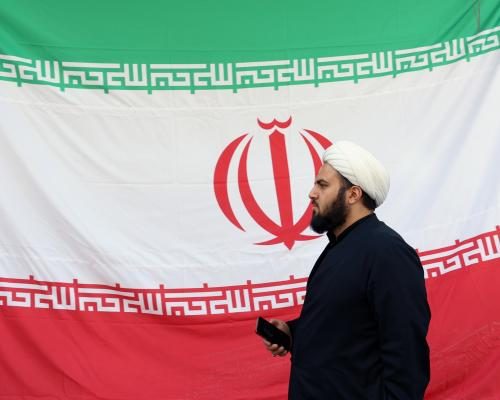
The ongoing military campaign against Iran by the United States and Israel is mired in uncertainty, with classified government reviews suggesting that the Trump administration may be ill-prepared for a successful regime-change operation. Recent reports indicate that the extensive airstrikes, including the targeted assassination of Iran's Supreme Leader, Ayatollah Ali Khamenei, may not achieve the desired outcome of toppling the Iranian government.
Intelligence Reports Raise Doubts About Regime Change
According to a classified review by the National Intelligence Council, the objective of dismantling Iran's military and clerical establishment through military action is unlikely to succeed. Completed in mid-February, the report highlights that even with intensified military efforts, Iran's government is expected to maintain its control and follow protocols for appointing a successor to Khamenei. Following his assassination, an interim leadership council was quickly established, composed of the Iranian president and key officials, tasked with selecting the next supreme leader. Originally reported by The Guardian.
Despite the Trump administration's rhetoric about achieving significant military victories, the intelligence community suggests that the bombing campaign may not lead to the anticipated regime change. This stark contrast between administration claims and intelligence assessments raises critical Questions About The effectiveness of the current military strategy.
Concerns Over Diminishing US Weapon Stockpiles
As military operations continue, concerns are mounting among some Democratic senators regarding the depletion of U.S. weapon stockpiles. During a recent closed-door briefing, lawmakers were informed that the airstrikes on Iran are significantly reducing the availability of certain munitions. Senator Richard Blumenthal of Connecticut expressed his alarm, stating, "I am deeply concerned about Ukraine," emphasizing that the rapid consumption of military resources might hinder the U.S.'s ability to support allies who depend on its military assistance.
Experts in defense strategy have noted that while the immediate conflict may not lead to a shortage, the long-term implications could be severe. Ryan Brobst, a scholar at the Foundation for Defense of Democracies, remarked, "It's about deterring China and Russia the day after this conflict is over," indicating a broader concern regarding future military readiness. In response to these concerns, weapons manufacturers like Lockheed Martin have indicated plans to significantly ramp up production, with the company announcing it would "quadruple critical munitions production."
Escalation of Violence and Humanitarian Impact
Since the commencement of the bombing campaign, the humanitarian toll has been devastating. Reports indicate that U.S. and Israeli airstrikes have targeted not only military installations but also civilian infrastructure, schools, and hospitals. Tragically, on the first day of the campaign, a strike on a school resulted in the deaths of 168 young girls, an incident attributed to U.S. forces. This has raised alarms over the ethical implications of the military strategy being employed and the potential for significant civilian casualties.
As the conflict escalates, Iranian forces have retaliated with strikes against U.S. installations and allied nations in the region. The ongoing cycle of violence has severely strained diplomatic negotiations. Iran maintains that its nuclear program is for peaceful purposes, yet U.S. officials continue to assert that the program poses a significant threat. This contradiction fuels the urgency behind military actions.
Political Ramifications and Future of US-Iran Relations
As the situation unfolds, the political ramifications of the war on Iran could reshape the landscape of U.S. foreign policy. At a recent summit in Florida, President Trump boasted about the military successes in Iran, stating, "We've knocked out 42 navy ships, some of them very large, in three days." He framed the military actions as a necessary intervention, claiming that without it, Iran would have developed a nuclear weapon. However, these assertions clash with the findings of intelligence reports that suggest a continuation of Iran's governmental structure.
With a backdrop of increasing tensions and a fragile geopolitical environment, the future of U.S.-Iran relations remains uncertain. The effectiveness of military operations, combined with concerns about weapon supply and humanitarian impacts, will likely play a significant role in shaping the administration's strategy moving forward.
As the U.S. and Israel continue their military campaign, the interplay between military objectives, humanitarian considerations, and international diplomacy will be crucial in determining the outcome of this complex conflict.
Originally reported by The Guardian. View original.