
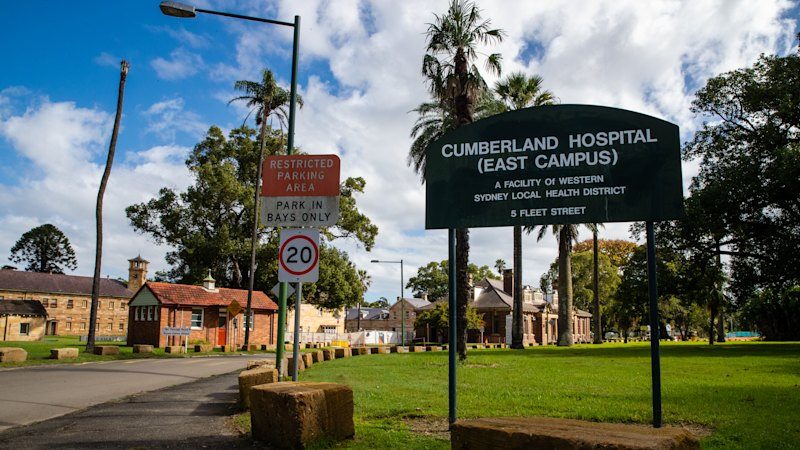
In a troubling incident that has raised serious concerns about the safety protocols at Cumberland Hospital, New South Wales' largest mental health facility, two patients escaped from involuntary care, leading to tragic consequences. Following the escapes, urgent reviews have been initiated to address chronic understaffing and security issues that may have contributed to this alarming situation.
Escaped Patients Linked to Violent Incidents
Setefano Mooniai Leaaetoa, 25, was charged with murder and attempted murder after he allegedly stabbed one person to death and seriously injured two others at a grocery store in Merrylands on February 7. Leaaetoa, who had been an involuntary patient at Cumberland Hospital, managed to escape during a transfer to Westmead Hospital for medical care. The very next day, Luke Peter Francis, 31, also absconded from a locked ward at Cumberland, reportedly threatening a nurse and stealing her access card.
Francis had only recently been released from prison on parole. He was involved in a deadly crash while driving a stolen vehicle during a police chase, resulting in the deaths of two women, 60-year-old Lee Casuscelli and her 84-year-old passenger Maureen Crosland. Both incidents have raised alarming questions regarding patient management and the hospital's ability to ensure safety, not only for its patients but for the community at large.
Cumberland Hospital Under Scrutiny
The Minns government has responded to these incidents by launching two urgent reviews. Health Minister Rose Jackson is spearheading an investigation into the hospital's security protocols, while NSW Health will review Leaaetoa's care with the assistance of an external senior psychiatrist. Premier Chris Minns emphasized that Francis should not have been allowed to remain free after absconding from the facility.
Concerns about the hospital's staffing and resources have been mounting, with current and former staff fearing that nurses and security officers may be unfairly blamed for systemic issues. Cumberland Hospital, which has 261 beds, admits some of the most severely mentally ill patients in the state, yet chronic understaffing has made it difficult for staff to manage high-risk patients effectively.
Insights from Mental Health Professionals
Dr. Anu Kataria, a senior psychiatrist who resigned from Cumberland in January, pointed out that when a patient absconds, their status is often changed to "discharged" in order to comply with the Mental Health Act. This process, however, can be problematic if the patient is not present for a status review. "Absconding is common," Kataria noted, indicating that the hospital's procedures may need a serious overhaul.
Nick Howson, a mental health clinical nurse consultant and delegate for the NSW Nurses and Midwives Association, corroborated Kataria's observations. He stated that staff would typically contact local police on average once every two weeks regarding absconding patients who pose risks to themselves and others. Despite following protocols and reporting both escapes immediately, Cumberland staff are grappling with the fear that they will be scapegoated for these systemic failures.
Community Outcry and Future Implications
These incidents have sparked outrage in the community, raising concerns over public safety and the effectiveness of mental health care in the state. The hospital's management faces pressure to improve security measures and ensure that patients are treated safely and effectively. There is a growing call for accountability, not just for staff but also for the broader system that governs mental health care in New South Wales.
As the reviews unfold, the focus will likely shift to how Cumberland Hospital can enhance its protocols to prevent future escapes and ensure that patients receive the care they need. The tragic outcomes of these recent incidents highlight a pressing need for systemic change in mental health services, aimed at safeguarding both patients and the community.