
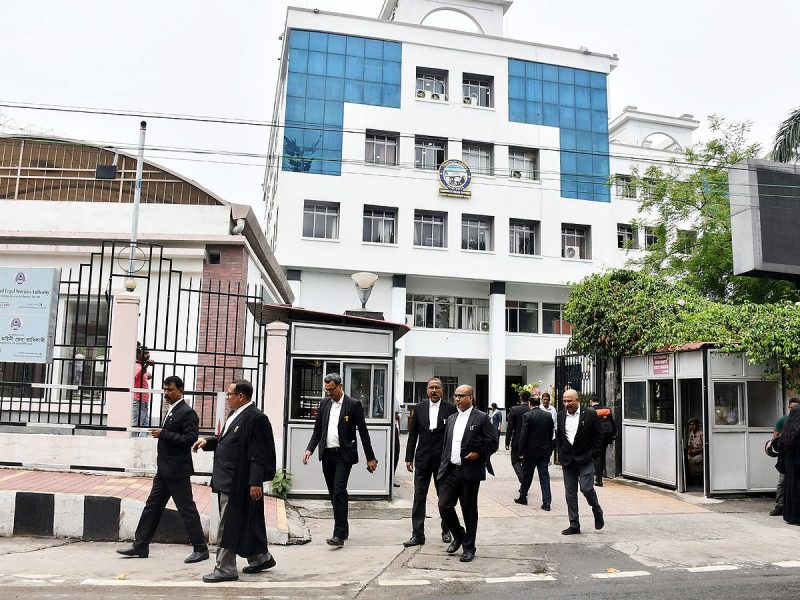
The Gauhati High Court has given the Assam government the green light to advance the "Maa Kamakhya Temple Access Corridor" project in Nilachal Hills, Guwahati. In a ruling delivered on Friday, the court disposed of a Public Interest Litigation (PIL) and a writ petition that raised concerns about the impact of the project on the temple and its surroundings. Chief Justice Ashutosh Kumar and Justice Arun Dev Choudhury emphasized the importance of maintaining the integrity of the site, particularly the underground holy water springs, during the construction process.
Judicial Approval Paves the Way for Development
The court's decision signifies a significant step forward for the Maa Kamakhya Temple Access Corridor, aimed at improving access and facilities for pilgrims visiting one of India's most revered religious sites. The project had faced scrutiny due to fears that construction could disrupt religious practices and harm the historical site. The petitions filed included PIL No. 12/2024, which sought a White Paper on the project, and WP(C) No. 2700/2024, which challenged the tender process initiated by the state on November 27, 2023.
Petitioners had claimed that the corridor's construction could result in the desecration of the temple's premises, which is regarded as sacred by millions. They argued that the project could adversely affect the architectural legacy and spiritual environment of the Maa Kamakhya Temple, known for its ancient sculptures and rich history. However, the court noted assurances from the Assam Advocate General, D. Saikia, regarding the project's execution.
Assurances on Environmental Safeguards
During the court proceedings, the Advocate General assured that construction would not commence until all necessary clearances were obtained from relevant authorities, including hydrological assessments from esteemed institutions such as the Indian Institute of Technology (IIT), Guwahati, and the National Institute of Hydrology in Roorkee. The court expressed satisfaction with these commitments, highlighting the importance of safeguarding the temple's underground water springs, which hold spiritual significance.
The affidavit submitted by the Special Commissioner and Special Secretary of the Public Works (Building & NH) Department clarified that the Maa Kamakhya Temple Access Corridor Project falls under the PM-DEVINE Scheme, aimed at enhancing the overall infrastructure and amenities for pilgrims. The project intends to alleviate the visual congestion caused by unplanned commercial and residential constructions surrounding the temple, which have diminished its aesthetic appeal over the years.
Historical Significance and Future Prospects
The Maa Kamakhya Temple, one of the oldest and most prominent Shakti Peethas in India, attracts thousands of devotees annually, particularly during the Ambubachi Mela, a festival celebrating the goddess's annual menstruation cycle. The state's initiative to develop the access corridor is seen as a move to revitalize the area, providing better amenities and enhancing the overall pilgrimage experience.
While the project aims to improve accessibility, the Assam government is acutely aware of the potential ramifications on the temple's historical and cultural fabric. The Chief Justice, in his ruling, indicated that the court would monitor the project closely to ensure compliance with environmental and cultural preservation standards. The assurance provided by the Advocate General reflects a commitment to uphold these values while modernizing the infrastructure surrounding this sacred site.
Community Reactions and Stakeholder Engagement
As news of the court's ruling spreads, reactions from local communities and stakeholders are mixed. Many residents and devotees welcome the development, hoping it will enhance pilgrimage facilities and attract more visitors. However, some groups remain vigilant, concerned that the rapid development could overshadow the temple's sanctity. They emphasize the need for ongoing dialogue between the government and community members to ensure that the project aligns with the expectations of the faithful.
The Assam government is expected to engage with various stakeholders, including local businesses and religious leaders, to address concerns and gather feedback as the project progresses. This collaborative approach aims to strike a balance between development and preservation, ensuring that the temple's historical significance is maintained for future generations.
The approval of the Maa Kamakhya Temple Access Corridor marks a critical juncture for both the Assam government and the religious community. As construction plans move forward, the emphasis on protecting the temple's heritage and spiritual environment will remain paramount. The successful execution of this project could serve as a model for similar initiatives across India, showcasing how development can coexist with cultural preservation.