
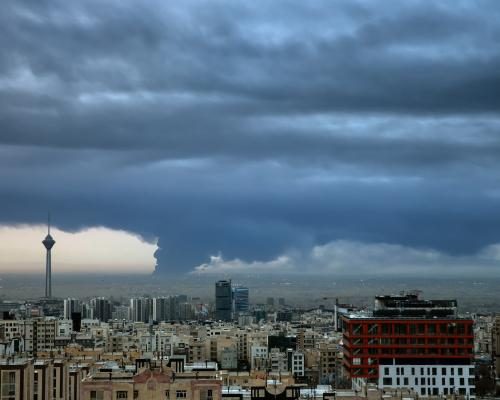
The ongoing conflict in Iran has dramatically altered the geopolitical landscape, revealing Russia as an unexpected beneficiary. Following the US and Israel's military operations against Tehran in late February, Moscow's fortunes have reversed remarkably. Prior to the conflict, Russia was facing severe budget cuts to education and healthcare as it struggled to finance its prolonged invasion of Ukraine, which now enters its fifth year. Now, just over a month into the fighting, global oil prices have surged from an average of $72 to over $100 per barrel, providing a significant financial boost to Russia's economy.
Surging Oil Prices Fuel Russia's Economy
The spike in oil prices has translated into multi-billion dollar revenues for Moscow. With restrictions on Russian oil exports easing, the Kremlin finds itself in a favorable position. Pjotr Sauer, a Russian affairs reporter for the Guardian, noted that the US had previously pressured traditional buyers of Russian oil, including India and China. However, the current conflict has reversed that dynamic, leading Asian nations to seek Russian oil to fill the gaps created by the Middle Eastern conflict. Originally reported by The Guardian.
"India is buying lots of Russian oil. We are seeing that other countries are interested, especially in Asia," Sauer explained. This shift could potentially lead to renewed murmurs in Europe about re-establishing ties with Russian energy resources, a scenario that would have devastating implications for Ukraine as it seeks to bolster its defenses against Russian aggression.
A Complex Geopolitical Landscape
Initially, the attack on Iran might have seemed detrimental to Russia, as it lost yet another ally in the region with the assassination of Iranian Supreme Leader Ayatollah Khamenei. The geopolitical landscape appeared to favor the West, particularly against the backdrop of the ongoing conflict in Ukraine. However, the ramifications of the Iran war have proven more complicated. Sauer pointed out that the Kremlin's intelligence support to Iran regarding US military positions has not incited the expected backlash from the Trump administration, which has historically shown sympathy towards Russia's objectives.
This unexpected turn of events reveals the multifaceted nature of international relations, where short-term losses can lead to long-term gains. The ongoing conflict in Iran has inadvertently strengthened Russia's hand on the global stage, providing it with new opportunities to cultivate relationships with countries that previously distanced themselves.
Domestic Challenges Amidst External Gains
Despite the financial windfall from increased oil sales, Russia faces significant internal unrest. Sauer indicated that the domestic situation is far from stable, with rising discontent among Russians fueled by the government's crackdown on popular social media platforms. The Kremlin's recent efforts to block apps like Telegram and WhatsApp have sparked frustration, especially among the youth. Public discontent has been exacerbated by the slow progress of military operations in Ukraine.
A pro-Kremlin blogger even labelled President Putin "illegitimate," calling for him to stand trial for war crimes before he was promptly sent to a psychiatric ward. According to state-backed polling, Putin's approval ratings have dropped to 70%, marking the lowest level since the onset of the Ukraine invasion. While this figure remains relatively high by Western standards, the downward trend is indicative of brewing dissatisfaction within the population.
Future Implications for Ukraine and Beyond
As the conflict in Iran continues to unfold, it raises questions about the broader implications for Ukraine. Russian business contacts suggest that the Kremlin is increasingly confident about potentially gaining full control over the Donbas region as part of any future settlement. This confidence can be attributed to the financial resources that the war in Iran has provided Moscow.
Putin's revived war machine is likely to sustain its operations in Ukraine, fortified by new streams of revenue from oil exports. The Kremlin appears resolute in its ambition to bolster its military capabilities, potentially leading to escalated tensions in the region. As the geopolitical landscape shifts, both Ukraine and the international community must brace for an uncertain future, with Russia emerging as a surprising beneficiary of the turmoil in Iran.
Originally reported by The Guardian. View original.