
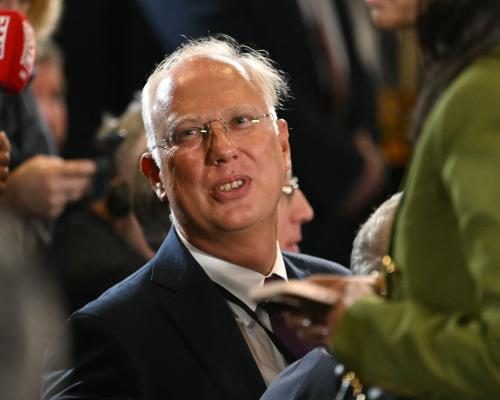
In a significant development amid the ongoing energy crisis, Russian negotiator Kirill Dmitriev reported that the U.S. is "beginning to better understand" the critical role of Russian oil. This statement followed a "productive meeting" in Florida with U.S. officials regarding the Ukraine invasion. Dmitriev shared these insights on Telegram, emphasizing that the discussions revolved around potential projects aimed at revitalizing U.S.-Russia relations and addressing the turmoil in global energy markets.
U.S. Licenses for Russian Oil Amid Crisis
The talks in Florida took place just hours before the U.S. government issued a temporary 30-day license allowing countries to purchase Russian oil and petroleum products currently stuck at sea. This measure is intended to stabilize the global energy market, which has been significantly affected by the ongoing conflict in the Middle East. Earlier this week, the U.S. had already lifted some sanctions on Russian oil, a move that has drawn criticism for potentially enriching Russia amid its military actions in Ukraine. Originally reported by The Guardian.
Data indicates that since the onset of hostilities related to the U.S.-Israel conflict with Iran, Russia has earned €6 billion (£5 billion) from fossil fuel sales. In March alone, these sales contributed an additional €672 million to Russia's coffers. U.S. former President Donald Trump, who spoke with Putin earlier this week, suggested that the Russian leader expressed a willingness to be "helpful" regarding the Middle East conflict, indicating possible geopolitical maneuvering.
Hungary-Ukraine Tensions Escalate
In a related geopolitical landscape, Hungary returned two seized armored bank vehicles to Ukraine but withheld millions in cash and gold, citing an investigation into alleged money laundering. Ukrainian officials condemned this action as theft, further straining relations. Just last week, Hungary detained seven Ukrainians who were transporting cash and gold, accusing them of illegal activity. Kyiv claimed that these detentions were a tactic by Budapest to pressure Ukraine into resuming halted oil shipments.
The situation escalated as those detained were eventually expelled by Hungary and returned to Ukraine. The European Union has since proposed a mission to inspect the Druzhba oil pipeline, which transports Russian oil to Hungary and Slovakia. This pipeline has been out of operation since late January due to damage, with Ukraine blaming Russian strikes for the disruption, while Hungary and Slovakia contend that Ukraine is responsible.
Ukraine's Push for Military Innovation
Amid these geopolitical tensions, Ukraine is taking steps to enhance its military capabilities. The country is opening access to its battlefield data for allies to train artificial intelligence (AI) software for drone operations. This initiative aims to leverage the experience gained during the ongoing invasion by Russia, focusing on automating systems that guide drones to targets without direct human intervention.
Foreign militaries and technology companies have expressed interest in accessing Ukraine's battlefield datasets, which are vital for training AI models to recognize patterns and behaviors in combat scenarios. This move reflects a broader trend where militaries worldwide are increasingly integrating automated systems into their operations, making the battlefield data even more crucial.
European Commission's Stance on Russian Participation in Art Events
In the cultural arena, the European Commission has warned organizers of the Venice Biennale that they risk losing €2 million (£1.7 million) in funding if they allow Russian participation in the festival. The Commission reiterated that any breach of ethical standards would be viewed as a violation of contract, emphasizing the importance of maintaining integrity in the arts amid the war in Ukraine. The Biennale's decision to permit Russian involvement has sparked outrage from Ukraine, which accused the festival of providing a platform for Russia to "whitewash war crimes."
As the situation continues to evolve, the dynamics between nations remain fluid. With Hungary taking a hardline stance against Ukraine and the U.S. reassessing its approach to Russian oil, the geopolitical landscape is shifting rapidly. Kyiv's efforts to harness innovative technology for military advantage further underscore the ongoing complexities of this conflict, as nations navigate their interests in a volatile environment.
Originally reported by The Guardian. View original.