
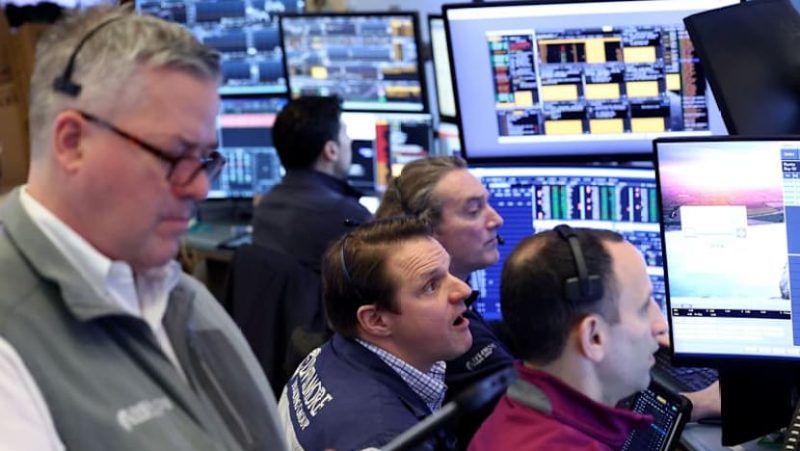
U.S. stocks experienced a notable rally on February 18, driven largely by gains in the technology sector, while crude oil prices also rebounded in response to heightened geopolitical tensions. Investors eagerly awaited the minutes from the most recent Federal Reserve policy meeting, which added another layer of complexity to market dynamics.
Technology Sector Fuels Market Gains
On Wednesday, all three major U.S. indexes showed positive movement, with technology shares leading the charge. The Dow Jones Industrial Average climbed by 129.47 points, or 0.26%, finishing at 49,662.66. The S&P 500 saw an increase of 38.10 points, or 0.56%, closing at 6,881.32. Meanwhile, the Nasdaq Composite rose by 175.25 points, or 0.78%, to reach 22,753.64. This upswing highlights the ongoing strength of tech stocks, which have become a cornerstone of the U.S. market.
As the trading session progressed, however, some of the earlier gains were pared back. Market strategist Ryan Detrick emphasized the importance of the tech sector in sustaining investor confidence, stating, "Technology shares have been a significant driver behind the recent market rally." Investors are keenly focused on how these companies will perform in the face of evolving economic conditions.
Geopolitical Strain Influences Oil and Gold Prices
Geopolitical tensions have played a critical role in influencing market movements. The conclusion of peace talks in Ukraine without a clear resolution has raised concerns about ongoing conflicts in the region. Ukrainian President Volodymyr Zelenskiy accused Russia of stalling negotiations, a sentiment that has contributed to market anxiety. Additionally, Iran's temporary closure of parts of the Strait of Hormuz, a vital global oil supply corridor, has further exacerbated supply concerns.
As a result of these geopolitical uncertainties, oil and gold prices have surged. Higher crude oil prices reflect supply worries, while gold, often viewed as a safe haven during times of turmoil, has also seen an uptick. Detrick noted, "This double-whammy of continued geopolitical uncertainty has led to higher oil and higher gold prices." The combination of these factors illustrates how intertwined global events are with market performance.
Fed Minutes Reveal Divergent Views
Investors also turned their attention to the Federal Reserve, with the release of minutes from their latest monetary policy meeting. The documents revealed that officials were nearly unanimous in their decision to maintain interest rates at current levels. However, there were differing opinions regarding future policy direction, which left markets on edge.
"While the Fed's decision to hold rates steady provides some stability, the split opinions on what comes next could lead to volatility in the financial markets," Detrick commented. The mixed signals from the Fed highlight the uncertainty surrounding economic recovery and inflation control, factors that investors will continue to monitor closely in the coming weeks.
European Markets Hit Record Highs
Meanwhile, European stocks also celebrated significant gains, with the pan-European STOXX 600 index closing at a record high. It rose by 1.19%, buoyed by strong performances in defense and banking sectors. The FTSEurofirst 300 index followed suit, increasing by 1.22% as investors reacted positively to recent earnings reports and news about a potential leadership transition at the European Central Bank.
However, the news regarding Christine Lagarde's possible early departure from her position as President of the European Central Bank caused a stir in currency markets, weakening the euro and strengthening the dollar. Detrick pointed out that Lagarde has served as a stabilizing figure, making her rumored exit a matter of concern for many investors.
As markets close for the week, the interplay of technology gains, geopolitical tensions, and monetary policy will likely continue to shape investor sentiment. Looking ahead, traders will remain vigilant, assessing how these factors will evolve and influence market trends in the weeks to come.